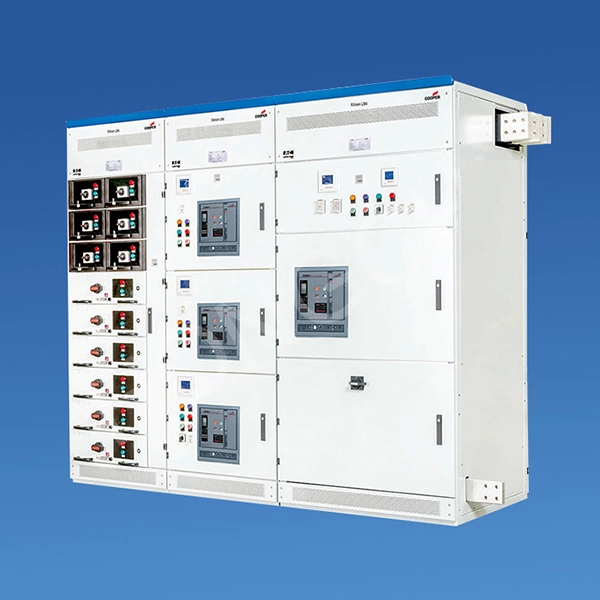
What safety standards apply to high-voltage switchgear installation?
What safety standards apply to high-voltage switchgear installation? This is a critical question for any procurement manager responsible for specifying equipment that must be both reliable and, above all, safe. The installation of high-voltage switchgear is governed by a complex web of international, national, and local standards designed to protect personnel, ensure operational continuity, and safeguard infrastructure. Navigating this regulatory landscape can be daunting, but it's non-negotiable. Non-compliance doesn't just risk fines; it risks catastrophic failure. For procurement professionals, understanding these standards is the first step in selecting a partner who doesn't just sell hardware but delivers a compliant, safe, and future-proofed solution. This guide will break down the essential standards, translate technical jargon into actionable procurement criteria, and highlight how partnering with an expert like Raydafon Technology Group Co., Limited simplifies compliance and de-risks your entire project.
- Global & Regional Standards: The Foundation
- Key Factors for Procurement Decisions
- Raydafon's Integrated Solution: Beyond the Box
- Frequently Asked Questions
Navigating the Maze of Global & Regional Standards
Imagine your team is finalizing specs for a new substation. The pressure is on to get it right. You know the equipment must be safe, but which standards are mandatory? The foundation lies with IEC (International Electrotechnical Commission) standards, particularly the IEC 62271 series for high-voltage switchgear and controlgear. These are the globally recognized benchmarks. In North America, IEEE and ANSI standards like IEEE C37.20 for metal-enclosed switchgear are paramount. In Europe, adherence to IEC standards is often mandated through regional directives. The key for procurement is not to memorize every clause but to identify the applicable standards for your project's location and end-use. A reliable supplier provides clear documentation of compliance, saving you weeks of verification work.
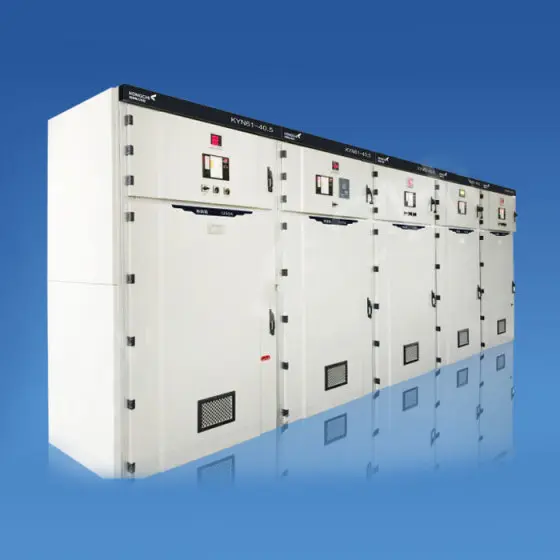
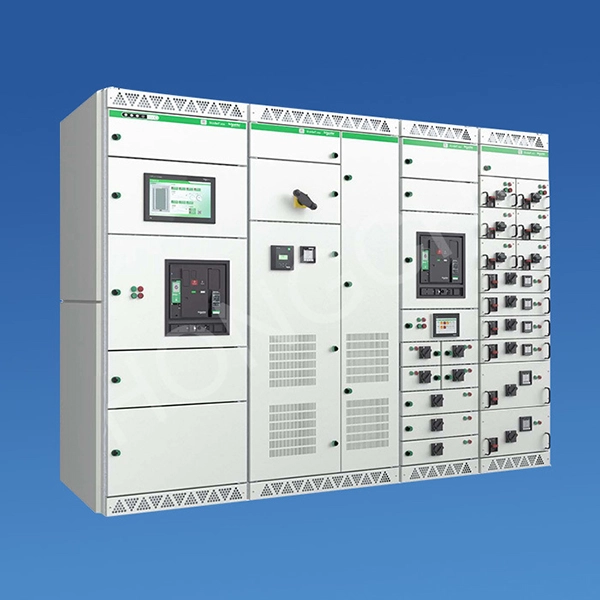
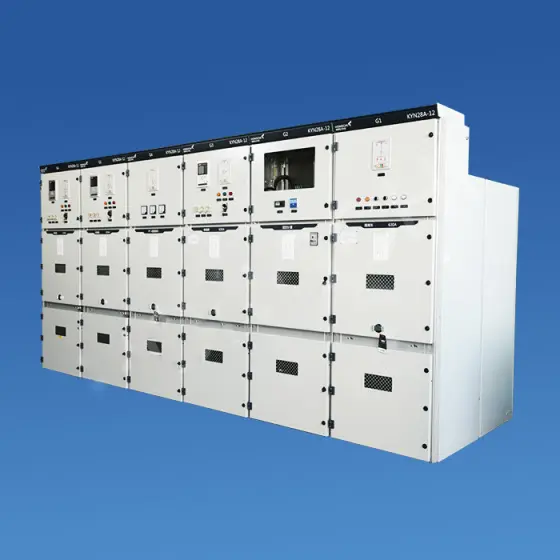
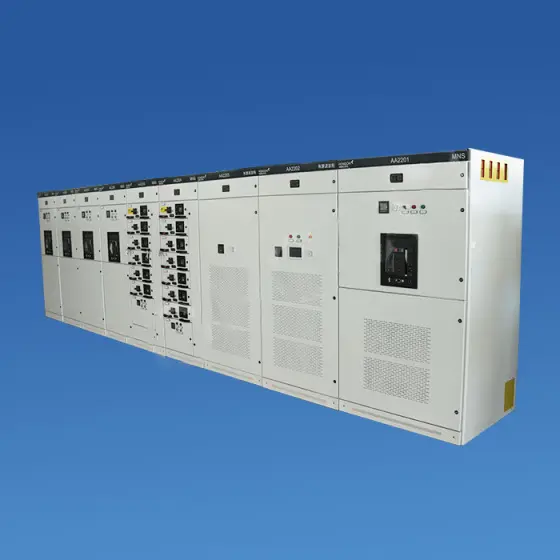
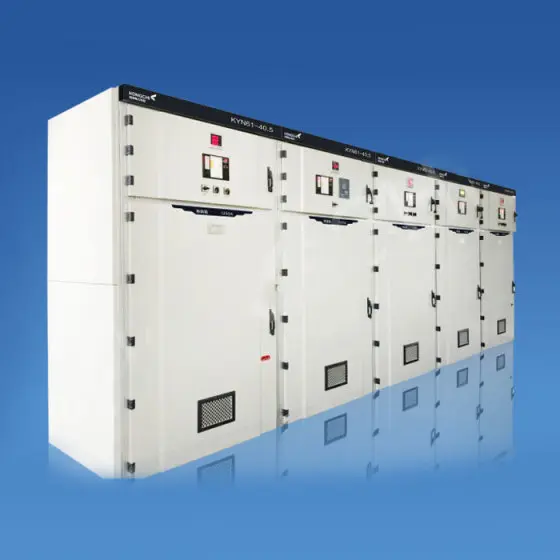
A trusted partner simplifies this complexity. Raydafon Technology Group Co., Limited designs its high-voltage switchgear, such as the KYN61-40.5, to meet and exceed these core international standards. This built-in compliance is a direct solution to the procurement manager's core problem of risk mitigation.
| Standard | Region/Scope | Key Focus Area |
|---|---|---|
| IEC 62271-200 | International | AC metal-enclosed switchgear for rated voltages above 1 kV and up to 52 kV |
| IEC 62271-100 | International | High-voltage alternating-current circuit-breakers |
| IEEE C37.20.2 | North America | Metal-Clad and Station-Type Cubicle Switchgear |
| ANSI C37.20.3 | North America | Metal-Enclosed Interrupter Switchgear |
Key Procurement Factors: Safety, Performance, and Total Cost
You've received three bids that meet the basic standard requirements. How do you choose? The real differentiators lie in performance parameters that impact long-term safety and operational costs. Consider the scenario of a facility expansion where space is limited and downtime is incredibly expensive. You need equipment with a compact footprint, high breaking capacity, and exceptional mechanical endurance to minimize maintenance cycles. Focusing solely on the lowest purchase price is a common pitfall that leads to higher lifecycle costs and safety compromises.
The solution is a supplier that provides transparent, superior technical data. Raydafon Technology Group Co., Limited addresses this by offering switchgear with advanced features like high-grade arc-resistant construction (IEC 62271-200 Appendix A), low operating mechanisms for reduced wear, and comprehensive type-test certificates. This translates directly into lower total cost of ownership, reduced operational risk, and peace of mind for the procurement team.
| Procurement Factor | Why It Matters | Raydafon's Typical Value |
|---|---|---|
| Rated Voltage & Breaking Capacity | Ensures the switchgear can handle system faults safely. | Up to 40.5kV, 31.5kA |
| Internal Arc Classification (IAC) | Protects personnel by containing arc flash incidents. | AFLR (Accessible Front, Lateral, Rear) per IEC |
| Mechanical Endurance | Indicates longevity and reliability of operation. | 10,000 operations minimum |
| IP Degree of Protection | Protects against dust and water ingress for harsh environments. | IP4X for compartment, higher on request |
The Raydafon Solution: Your Partner for Compliant Installation
The final hurdle isn't just buying compliant equipment; it's ensuring it's installed correctly. A warehouse of perfect switchgear is useless if the installation contractor isn't fully briefed on the specific safety protocols. The procurement manager's nightmare is a project stalled due to installation issues or failed safety inspections.
This is where Raydafon Technology Group Co., Limited provides a decisive advantage. We go beyond supplying equipment to offering project support. Our packages include detailed installation manuals aligned with key standards like IEC 61936-1 (Power installations exceeding 1 kV AC), and our technical team is available for consultation. We help you answer "What safety standards apply to high-voltage switchgear installation?" not just for the product, but for the entire process, ensuring a smooth, compliant, and safe project handover.
Frequently Asked Questions
Q: What safety standards apply to high-voltage switchgear installation regarding personnel protection?
A: Key standards focus on preventing electric shock and arc flash. IEC 61936-1 governs the safety of power installation design. For the switchgear itself, internal arc fault containment is covered by IEC 62271-200 (Appendix A). Personal protective equipment (PPE) requirements for workers are often dictated by national standards like NFPA 70E in the USA. Suppliers like Raydafon design their gear with features like secure interlocking systems and arc-resistant testing to meet these rigorous personnel safety requirements.
Q: What safety standards apply to high-voltage switchgear installation for environmental resilience?
A: Switchgear installed outdoors or in harsh industrial environments must withstand various conditions. The IEC 62271-1 standard specifies common requirements including tests for temperature rise, dielectric properties, and environmental conditions (like humidity). The IP (Ingress Protection) rating, defined by IEC 60529, is critical—for example, an IP54 rating protects against dust and water spray. Raydafon's engineering team can advise on and provide solutions for specific environmental challenges, ensuring long-term reliability.
Selecting high-voltage switchgear is a significant decision with lasting implications for safety and operational efficiency. By prioritizing certified compliance, robust technical parameters, and supplier expertise, procurement professionals can secure the best value and mitigate project risk.
For over a decade, Raydafon Technology Group Co., Limited has been a trusted global provider of high and medium-voltage switchgear solutions. We specialize in designing and manufacturing equipment that not only meets but exceeds international safety standards, providing our clients with reliability, safety, and peace of mind. Our team supports you from specification through to installation. For a detailed consultation on your project requirements, please contact our sales team at [email protected].
Holm, A., 2020, "Advanced Arc Fault Detection in Medium-Voltage Switchgear", IEEE Transactions on Power Delivery, Vol. 35, No. 3.
Kumar, S. & Patel, R., 2019, "Reliability Analysis of Metal-Enclosed Switchgear Based on Mechanical Endurance Testing", Electric Power Systems Research, Vol. 177.
Li, W., Zhang, F., & Chen, J., 2018, "Study on Temperature Rise and Heat Dissipation in High-Voltage Switchgear Compartments", International Journal of Electrical Power & Energy Systems, Vol. 103.
Martinez, J.L., & Garcia, A., 2021, "Impact of New IEC Standards on the Design of Arc-Resistant Switchgear", IET Generation, Transmission & Distribution, Vol. 15, No. 7.
O'Connell, P., 2017, "Safety Protocols for the Installation and Maintenance of HV Equipment in Industrial Plants", Journal of Safety Engineering, Vol. 6, No. 2.
Schneider, T., 2022, "Digitalization and Condition Monitoring in Modern High-Voltage Switchgear", Proceedings of the CIRED 2022 Conference.
Singh, A., et al., 2019, "Comparative Analysis of Dielectric Withstand Tests as per IEC 62271 and IEEE C37 Standards", IEEE Electrical Insulation Magazine, Vol. 35, No. 4.
Tanaka, Y., & Ishikawa, H., 2018, "Development of a New Sealing System for Enhanced IP Ratings in Outdoor Switchgear", IEEE Transactions on Dielectrics and Electrical Insulation, Vol. 25, No. 5.
Vargas, M., & Robertson, D., 2020, "Lifecycle Cost Modeling for Procurement of Substation Primary Equipment", The Engineering Economist, Vol. 65, No. 3.
Zhang, Y., et al., 2021, "A Review of International Standards for the Environmental Testing of Electrical Switchgear", High Voltage, Vol. 6, No. 1.
Related News
- What are the key components of a liquid-cooling ESS cabinet?
- What are the main components of a YBM prefabricated substation?
- What are the common faults of KYN61-40.5 switchgear and how to troubleshoot them?
- What safety standards apply to new energy equipments?
- What arc flash protection is required for high-voltage switchgear?
- What is the difference between RMU and VCB?
Leave me a message