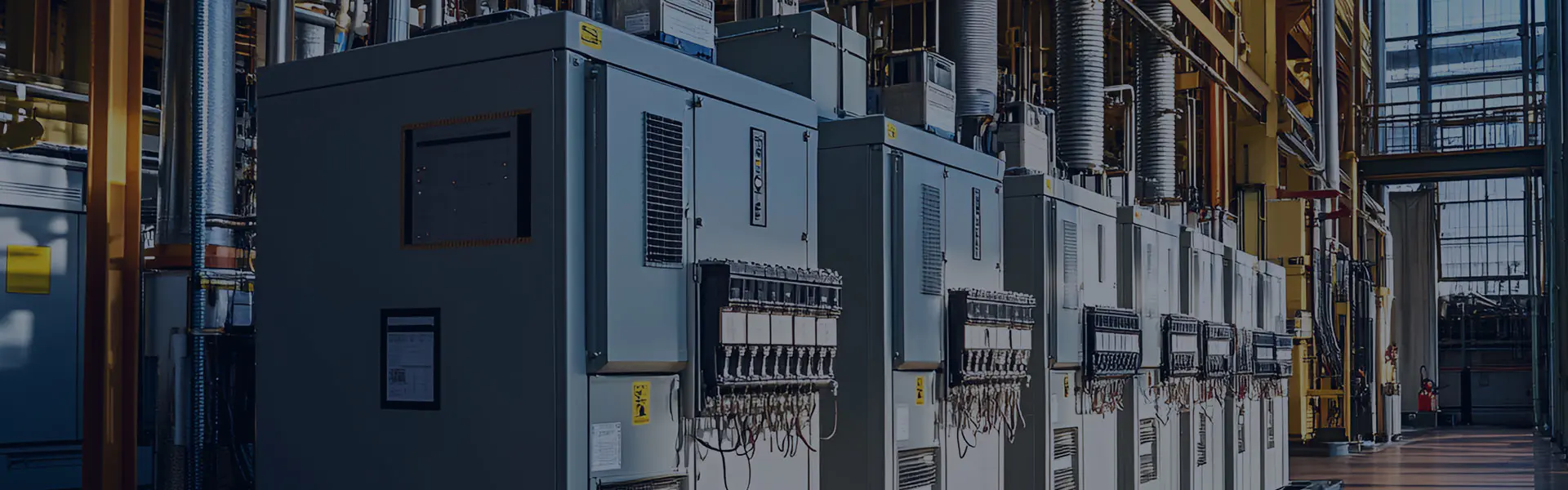
Armored Metal-Clad Switchgear Manufacturer for Reliable Industrial Power Distribution
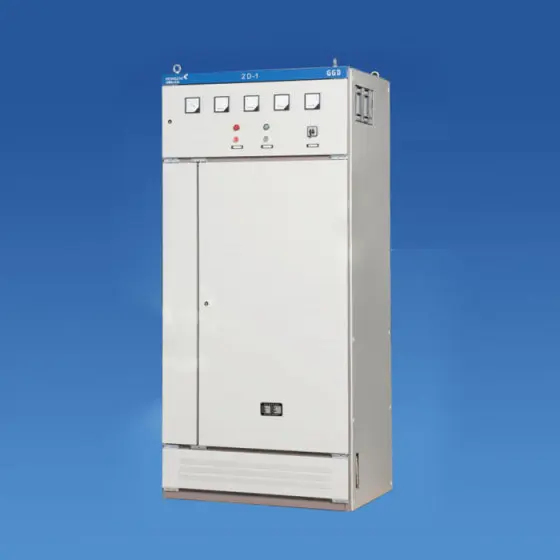
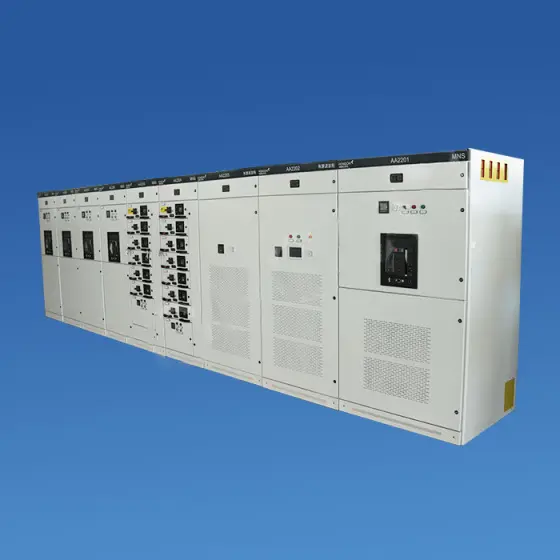
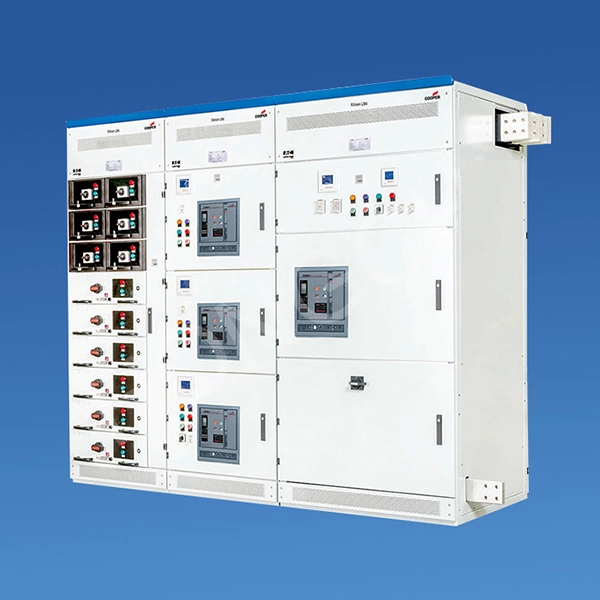
In medium-voltage power distribution, Armored Metal-Clad Switchgear stands as a critical line of defense between high-energy circuits and operating personnel. This category of switchgear is engineered with grounded metal barriers that divide the breaker, busbar, cable, and low-voltage control compartments into separate, isolated chambers. Raydafon Group has focused on this technology for industrial plants, utility substations, data centers, and infrastructure projects that cannot tolerate unplanned downtime or arc-flash hazards.
Raydafon Group's armored metal-clad switchgear is tested and produced under strict quality systems to deliver reliable interruption, visible isolation, and easy field expansion. The equipment is built to handle continuous loads, short-circuit events, and harsh environmental conditions while maintaining operator safety and asset protection. The following sections outline the standard ratings, construction details, and common questions that specifiers raise during project design.
Why Armored Metal-Clad Construction Matters
The defining feature of armored metal-clad switchgear is the use of earthed metallic partitions between major compartments. Unlike basic metal-enclosed switchgear, every primary section is fully enclosed by metal barriers. This prevents an internal arc in one compartment from spreading immediately to adjacent compartments and reduces the risk of contact with live parts during inspection or maintenance. Raydafon Group applies this principle across its entire range, from 3.6 kV to 40.5 kV systems.
- Compartmentalized design: Circuit breaker, main busbar, cable termination, and low-voltage control sections are separated by grounded metal plates.
- Arc containment: Internal arc classified enclosures direct pressure and hot gases away from the operator through dedicated relief ducts.
- Interlocking logic: Mechanical and electrical interlocks prevent incorrect breaker racking, earthing switch operation, or door opening while circuits are energized.
- Visible isolation: Vacuum circuit breakers can be racked into service, test, or isolated positions with clear position indicators.
- Modular expansion: Panels are designed for side-by-side extension without major busbar rework, supporting phased project growth.
Standard Technical Parameters of Raydafon Group Armored Metal-Clad Switchgear
The equipment lineup is built around a common metric and imperial parameter set, making it suitable for both IEC and ANSI market requirements. Raydafon Group standardizes key ratings to reduce engineering lead times while offering optional ratings for specialized networks.
| Parameter | Standard Range | Optional Range |
|---|---|---|
| Rated voltage | 12 kV, 24 kV, 36 kV | 3.6 kV to 40.5 kV |
| Rated frequency | 50/60 Hz | 50 or 60 Hz |
| Rated main busbar current | 1250 A, 2000 A, 3150 A | 630 A to 4000 A |
| Rated feeder current | 630 A, 1250 A, 2000 A | Up to 4000 A |
| Rated short-time withstand current | 25 kA, 31.5 kA, 40 kA | 50 kA for 3 seconds |
| Rated peak withstand current | 63 kA, 80 kA, 100 kA | 125 kA |
| Rated duration of short circuit | 3 seconds | 1 to 4 seconds |
| Internal arc classification | IAC AFLR 31.5 kA 1 s | IAC AFLR 50 kA 1 s |
| Degree of protection | IP4X enclosure, IP2X compartments | IP54 for outdoor kiosk |
| Applicable standards | IEC 62271-200, GB 3906 | ANSI/IEEE C37.20.2 |
All busbar joints are silver-plated or tin-plated copper, and insulating supports are made from epoxy resin or SMC materials with high tracking resistance. Current transformers, voltage transformers, and surge arresters are mounted in dedicated compartments with isolated test terminals.
Structural Dimensions and Layout
Panel dimensions vary according to rated voltage, busbar current, and internal arc requirements. Raydafon Group provides standard footprints that fit most switchgear rooms without excessive civil work.
| Voltage Class | Panel Width | Panel Depth | Panel Height | Weight per Panel |
|---|---|---|---|---|
| 12 kV, 1250 A, 31.5 kA | 800 mm | 1500 mm | 2200 mm | Approx. 1200 kg |
| 24 kV, 2000 A, 31.5 kA | 1000 mm | 1700 mm | 2300 mm | Approx. 1600 kg |
| 36 kV, 2500 A, 40 kA | 1200 mm | 1800 mm | 2400 mm | Approx. 2100 kg |
| 40.5 kV, 3150 A, 40 kA | 1400 mm | 1900 mm | 2400 mm | Approx. 2600 kg |
Cable entry can be configured from the bottom or top depending on trench depth and site conditions. Control wiring ducts are separated from high-voltage compartments to maintain signal integrity and reduce electromagnetic interference.
Circuit Breaker and Operating Mechanism
Raydafon Group equips armored metal-clad switchgear with vacuum circuit breakers as standard. Vacuum interruption offers long electrical endurance, minimal maintenance, and environmentally friendly operation compared with older SF6 or oil technologies. Breakers are mounted on withdrawable trucks with self-aligning primary and secondary contacts.
- Breaker types: VD4-style, VM1-style, and Raydafon Group proprietary vacuum interrupters rated up to 50 kA.
- Operating mechanism: Motor-wound spring mechanism with manual and electrical closing and opening.
- Control voltage: 110 V DC, 220 V DC, 110 V AC, or 220 V AC auxiliary supply.
- Racking system: Rack-in and rack-out via lead screw or crank handle with anti-pumping and anti-racking interlocks.
- Earthing switch: Optional make-proof earthing switch with full short-circuit making capacity.
The breaker compartment door is interlocked with the racking mechanism. The door cannot be opened unless the breaker is in the isolated position and the earthing switch is closed, or the circuit is confirmed de-energized through a capacitive voltage indicator.
Busbar System and Cable Compartment
The main busbar chamber runs horizontally across the top or rear of the panel. Busbars are insulated with heat-shrink tubing or epoxy coating to reduce clearance requirements and improve resistance to moisture and pollution. Branch connections use torque-controlled bolts with Belleville washers to maintain consistent contact pressure over thermal cycling.
The cable compartment provides generous space for stress cones, current transformers, and earthing connections. Removable gland plates allow cable entry from below without dismantling adjacent panels. Raydafon Group also offers cable test facilities, voltage detection systems, and automatic shutter mechanisms for safe maintenance.
Protection, Control, and Monitoring
Each feeder can be equipped with microprocessor-based protection relays for overcurrent, earth fault, differential, under/over voltage, and breaker failure protection. Communication protocols include IEC 61850, Modbus RTU, Modbus TCP, and DNP3.0. Raydafon Group integrates these devices into the low-voltage compartment with clearly labeled terminal blocks and ferrule identification.
- Protection functions: 50/51, 50N/51N, 27, 59, 81, 87, 49, 50BF
- Metering: Multifunction power meters with harmonic analysis and event recording
- Local HMI: 7-inch or 10-inch touchscreen for breaker status, measurements, and alarms
- Remote access: SCADA integration through fiber-optic Ethernet or serial links
- Auxiliary power: Redundant DC supply with battery charger and distribution MCBs
Typical Applications
Raydafon Group armored metal-clad switchgear is deployed in applications where high short-circuit levels, frequent switching, or critical process continuity dominate the specification.
- Utility substations and switching stations up to 40.5 kV
- Industrial feeder circuits for mining, cement, steel, and petrochemical plants
- Data center medium-voltage distribution and generator paralleling switchgear
- Rail traction power supply and auxiliary substations
- Renewable energy collection systems for solar and wind farms
- Hospital and airport critical power networks
- Water treatment and pumping stations
Factory Testing and Quality Assurance
Every panel from Raydafon Group undergoes routine tests before shipment. Type tests are performed in accredited laboratories to verify short-circuit withstand, temperature rise, internal arc containment, and mechanical endurance. Routine tests include power-frequency withstand voltage, lightning impulse voltage, circuit resistance measurement, and mechanical operation tests.
- Type tests: Short-time and peak withstand current, internal arc test, temperature rise, dielectric tests
- Routine tests: Main circuit resistance, wiring continuity, breaker operation, protection relay injection
- Factory acceptance test: Customer-witnessed tests with calibrated instruments and detailed reports
- Site commissioning: Installation supervision, busbar joint torque verification, and protection setting support
Frequently Asked Questions About Armored Metal-Clad Switchgear
- Q: What is armored metal-clad switchgear and how does it differ from standard metal-enclosed switchgear?
- A: Armored metal-clad switchgear is a type of medium-voltage switchgear in which all primary components, including the circuit breaker, busbars, cable connections, and instrument transformers, are housed in separate metal compartments with grounded metallic barriers. Standard metal-enclosed switchgear may use a single enclosure without full compartmentalization. The armored metal-clad design reduces the risk of arc propagation between sections and provides higher personnel safety during operation, racking, and maintenance. It also allows one compartment to be accessed while adjacent sections remain energized under controlled interlocking conditions.
- Q: What safety features does Raydafon Group include in its armored metal-clad switchgear?
- A: Raydafon Group includes multiple layers of safety protection. All compartments are separated by earthed metal partitions. Internal arc classified enclosures direct exhaust gases through pressure relief flaps away from the operator. Mechanical interlocks prevent opening the breaker door while the breaker is in service position. A capacitive voltage detection system verifies absence of voltage before earthing switch operation. Shutters automatically cover live spouts when the breaker is withdrawn. Optional arc detection relays with fiber-optic sensors can trip the incoming breaker in less than 100 milliseconds to limit damage.
- Q: What standards does this equipment comply with?
- A: The standard production range complies with IEC 62271-200 for AC metal-enclosed switchgear and controlgear for rated voltages above 1 kV and up to and including 52 kV. For projects in China, the equipment also meets GB 3906. Where required, Raydafon Group can supply equipment designed to ANSI/IEEE C37.20.2 for metal-clad switchgear. Compliance is verified through type test certificates from KEMA, CESI, or equivalent laboratories. Routine test reports are provided with every panel.
- Q: What maintenance procedures are recommended for armored metal-clad switchgear?
- A: Recommended maintenance includes annual visual inspection of compartment cleanliness, busbar joint torque checks, and breaker mechanism lubrication. Vacuum interrupters should be tested for contact erosion and vacuum integrity every 5 to 10 years depending on switching frequency. Protection relays need secondary injection testing at commissioning and then periodic functional checks. Raydafon Group supplies a maintenance manual with torque values, lubrication points, and test procedures. The compartmentalized design allows maintenance on one feeder while other circuits remain energized, subject to local safety rules and interlocking conditions.
- Q: Can Raydafon Group provide customized configurations for special grid conditions?
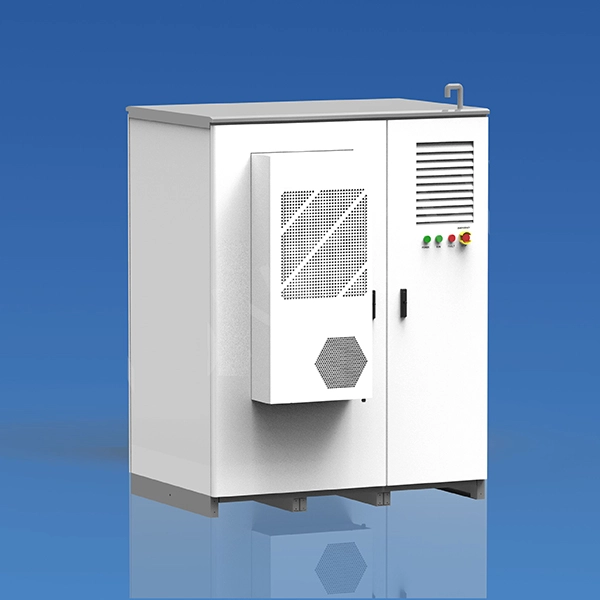
- A: Yes. Raydafon Group supports custom busbar ratings, special creepage distances for polluted environments, seismic qualification, tropicalization, and outdoor walk-in kiosk enclosures. The engineering team can modify panel dimensions to fit existing switchgear rooms, add automatic transfer schemes, synchronizing panels, or integrate generator and transformer feeders. All custom designs follow the same type-tested compartmentalization principles and are reviewed by factory engineers before production release. Project-specific drawings and single-line diagrams are submitted for approval before manufacturing begins.
Raydafon Group Engineering Support
Raydafon Group provides full technical documentation, CAD drawings, protection coordination studies, and installation supervision for every armored metal-clad switchgear project. The company maintains a global service network with spare parts, retrofit kits, and training programs for maintenance teams. Detailed product datasheets and selectable option lists are available for design consultants and panel builders.
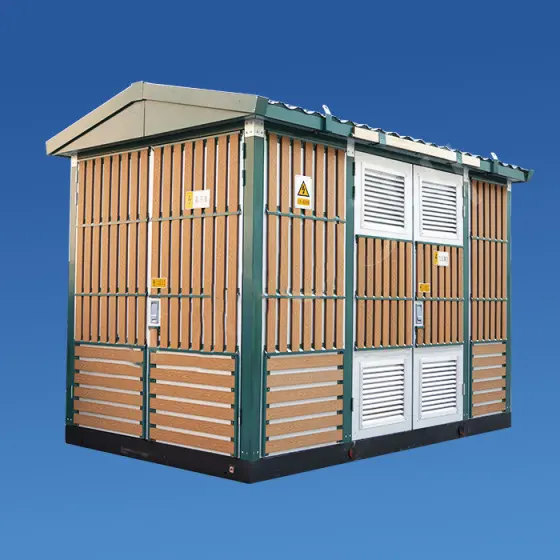
- View as
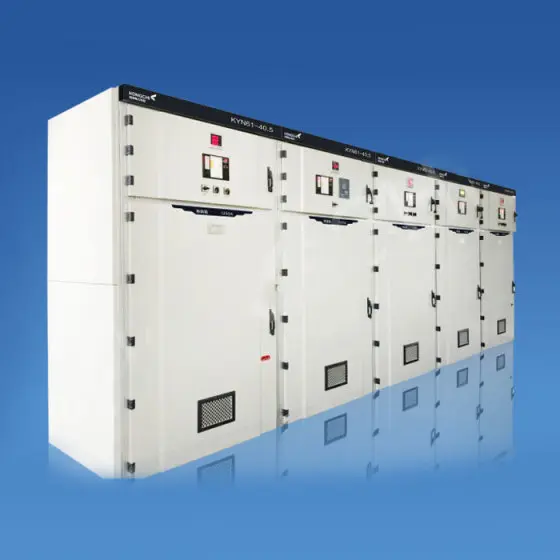
KYN61-40.5 Armored Metal-Clad Switchgear (40.5kV)
Raydafon Group's KYN61-40.5 Armored Metal-Clad Switchgear (40.5kV) delivers robust performance and safety.
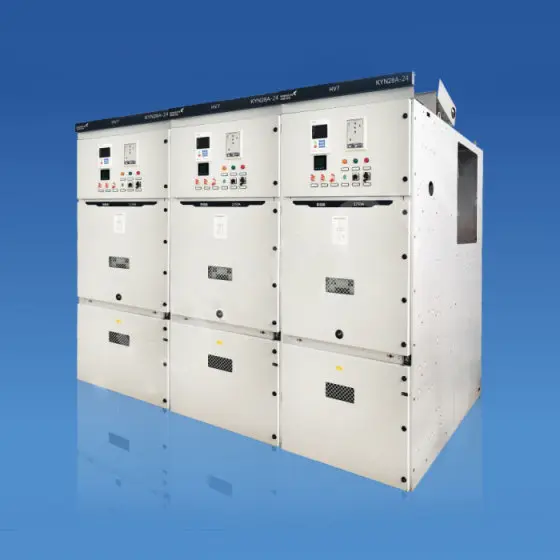
KYN28A-24 Removable AC Metal-Clad Switchgear (24kV)
Raydafon Group's KYN28A-24 removable AC metal-clad switchgear offers safe, compact 24kV power distribution with easy maintenance, ideal for substations and industrial plants seeking reliable performance.
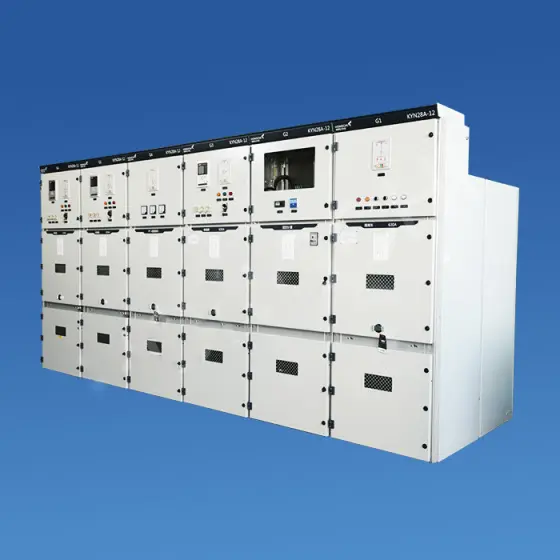
KYN28A-12 Removable AC Metal-Clad Switchgear (12kV)
Raydafon Group KYN28A-12 removable AC metal-clad switchgear ensures safe, compact 12kV power control with easy maintenance.