
News
 2026-11-17
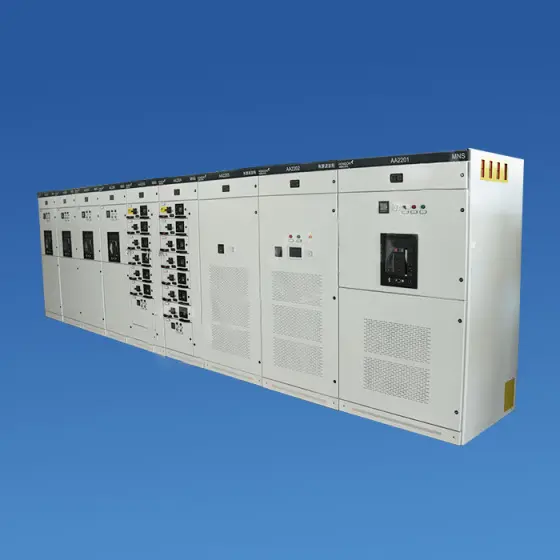
What Is Draw-Out Switchgear and How Does It Work?
Draw-out switchgear is a modular electrical distribution system in which circuit breakers or protective devices are mounted on removable chassis so they can be withdrawn for maintenance, testing, or replacement without shutting down the entire bus. It works through isolated compartments and plug-in contacts that let operators rack the device between connected, test, and disconnected positions, improving safety and reducing downtime.
 2026-11-09
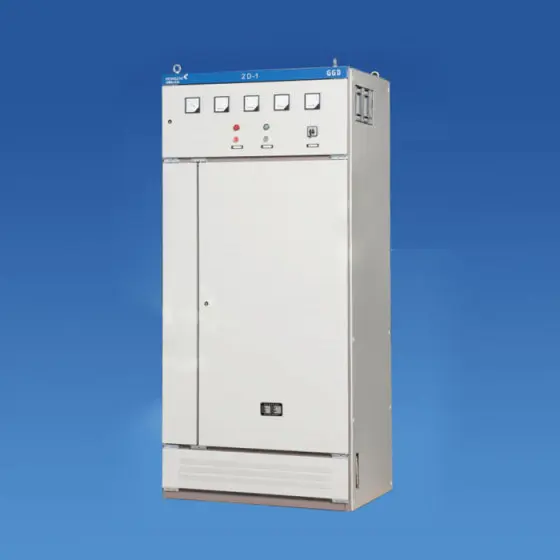
What is fixed switchgear and how does it work?
Fixed switchgear is a type of electrical switchgear in which the main switching devices are mounted in fixed positions inside the enclosure rather than on withdrawable trucks. It is used to control, protect, and isolate electrical equipment in power distribution systems. It works by housing circuit breakers, busbars, cables, and protective devices in a metal-enclosed cabinet; when a fault occurs, protective relays detect it and trip the circuit breaker to interrupt the current, while fixed isolators or disconnectors are used to isolate circuits for maintenance. Fixed switchgear is generally compact, cost-effective, and reliable, but maintenance may require more extensive isolation than withdrawable switchgear.
 2026-10-30
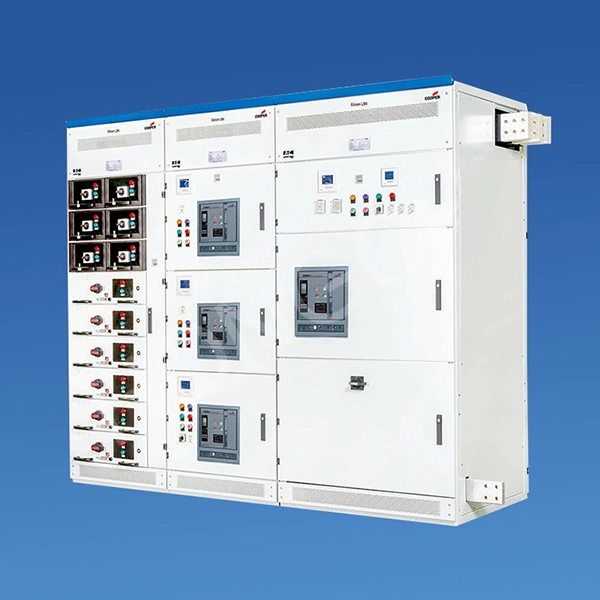
What factors affect the price of branded LV switchgear?
The price of branded low-voltage switchgear is shaped by a combination of brand reputation, product quality and certification, component materials, customization requirements, and supply chain conditions. Additional factors such as compliance with international standards, advanced protection features, and after-sales support also contribute to cost differences across brands and markets.
 2026-10-22
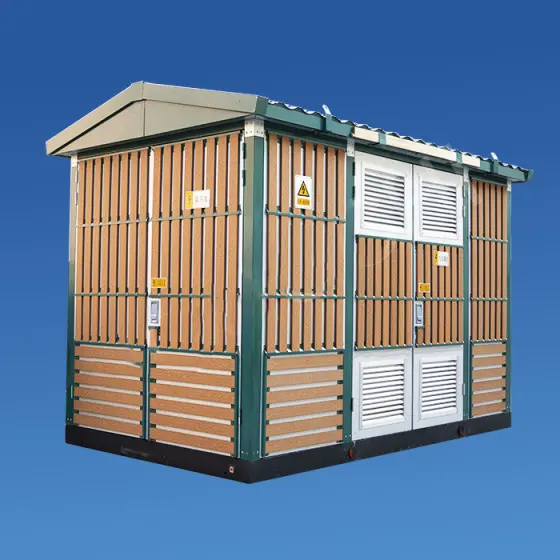
What are the standard dimensions of a prefabricated substation?
This article provides an overview of the typical dimensional ranges for prefabricated substations, covering common height, width, and depth specifications. It also explains how factors such as voltage rating, internal equipment layout, and transport limitations influence standard enclosure sizes.
 2026-10-14
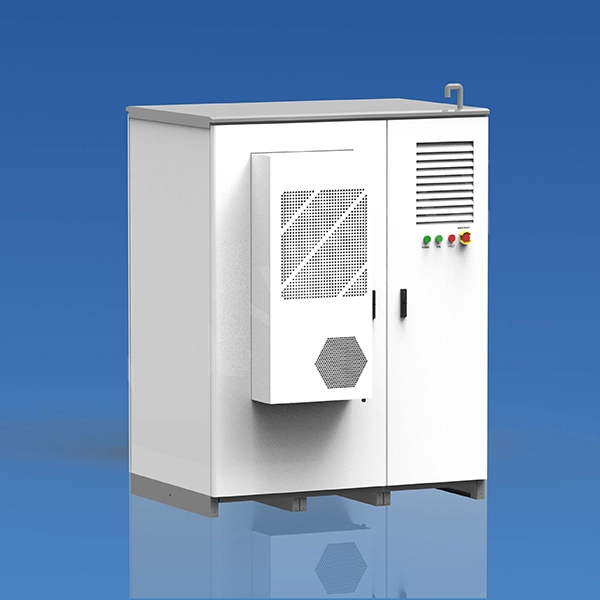
How do you maintain an air-cooling ESS cabinet?
Learn essential maintenance practices for air-cooling ESS cabinets, including filter cleaning, airflow inspection, temperature monitoring, and routine component checks to ensure safe and efficient operation.
 2026-10-06
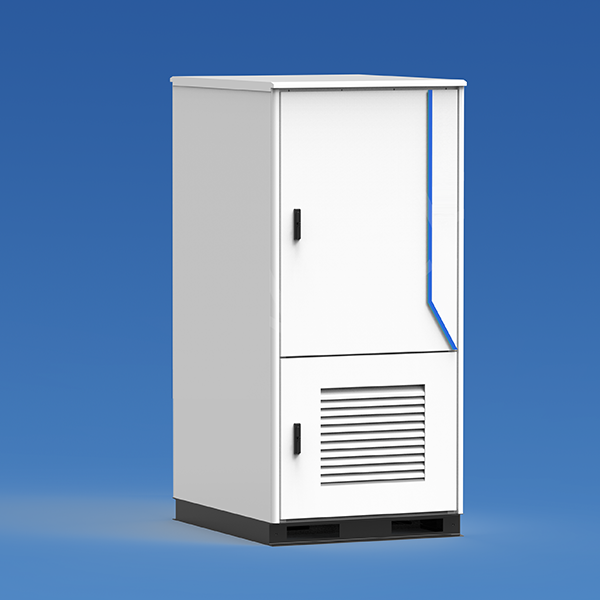
What are the key components of a liquid-cooling ESS cabinet?
This article explores the essential parts of a liquid-cooling energy storage system cabinet, including the battery modules, cooling plates, circulation pumps, heat exchangers, piping, coolant, and control units that work together to maintain safe and efficient thermal management.