Draw-Out Switchgear China Factory Direct for Global Buyers
In modern medium-voltage power distribution, Draw-Out Switchgear provides a safe and efficient way to isolate, protect, and control electrical circuits. Raydafon Group supplies draw-out switchgear solutions for utilities, data centers, hospitals, mining operations, and heavy industrial plants. The draw-out design allows circuit breakers and auxiliary equipment to be withdrawn from the switchgear enclosure without de-energizing the entire busbar system, reducing outage time and simplifying maintenance.
Understanding Draw-Out Switchgear
Draw-out switchgear is a type of metal-enclosed switchgear in which the main switching device, typically a vacuum circuit breaker or SF6 circuit breaker, is mounted on a withdrawable carriage. The breaker can be moved from the connected position to a test position and then to a fully disconnected position using a racking mechanism. This design eliminates the need to disconnect busbar or cable connections manually during routine inspection or replacement. Raydafon Group builds each panel with segregated compartments for the busbar, circuit breaker, cable, and low-voltage control equipment. This segregation prevents fault propagation and allows maintenance personnel to work safely in one compartment while adjacent compartments remain energized.
The withdrawable assembly includes primary disconnect contacts, earthing switch interlocks, shutters that automatically cover live primary contacts when the breaker is withdrawn, and a mechanical position indicator. Interlocking logic ensures that the breaker cannot be racked in or out when it is in the closed position. Earthing switches can only be operated when the breaker is in the disconnected or test position. These interlocks form the core of the safety philosophy behind draw-out switchgear.
Key Features and Benefits
- Full withdrawability: Circuit breaker and voltage transformer trucks can be fully withdrawn for off-line testing, repair, or replacement without affecting busbar voltage.
- Segregated compartments: Busbar, cable, breaker, and low-voltage compartments are separated by earthed metal barriers, reducing arc flash and fault propagation risk.
- Automatic safety shutters: Primary contacts are covered automatically when the breaker is withdrawn, preventing accidental contact with live parts.
- Mechanical and electrical interlocks: Prevents unsafe operations such as racking a closed breaker, opening an energized cable compartment, or closing the earthing switch while the breaker is connected.
- Modular construction: Panels can be extended on-site, and busbar connections allow future switchboard expansion with minimal downtime.
- High short-circuit withstand rating: Designed to withstand internal arc faults and maintain structural integrity under extreme electrodynamic stress.
- Low maintenance requirements: Vacuum interrupters and maintenance-free mechanisms reduce the number of moving parts and lubrication points.
- Remote monitoring readiness: Communication modules, protection relays, and temperature sensors can be integrated for condition-based maintenance and SCADA connectivity.
Raydafon Group Draw-Out Switchgear Technical Specifications
The table below lists the main electrical and mechanical parameters for Raydafon Group draw-out switchgear. Values are based on standard configurations and can be customized for project-specific requirements.
| Parameter | Standard Value | Optional Range |
|---|---|---|
| Rated voltage | 12 kV | 7.2 kV – 40.5 kV |
| Rated current | 630 A / 1250 A / 1600 A / 2000 A / 2500 A / 3150 A / 4000 A | Up to 5000 A with forced air cooling |
| Rated frequency | 50 / 60 Hz | - |
| Short-time withstand current | 25 kA / 31.5 kA / 40 kA for 3 s | 50 kA for special applications |
| Peak withstand current | 63 kA / 80 kA / 100 kA | 125 kA |
| Rated insulation level (1 min power frequency) | 28 kV / 42 kV / 95 kV | According to IEC 62271-200 |
| Rated lightning impulse withstand voltage | 75 kV / 95 kV / 185 kV | - |
| Internal arc classification | IAC AFLR 31.5 kA / 1 s | Up to 40 kA / 1 s |
| Degree of protection | IP4X for enclosure, IP2X between compartments | IP54 for outdoor version |
| Dimensions (typical 12 kV panel) | 800 mm width × 1600 mm depth × 2200 mm height | 650 mm – 1000 mm width depending on current rating |
| Weight per panel | 450 kg – 900 kg | Depends on configuration |
Withdrawable Circuit Breaker Compartment Parameters
| Item | Specification |
|---|---|
| Circuit breaker type | Vacuum circuit breaker or SF6 circuit breaker |
| Rated breaking current | 25 kA / 31.5 kA / 40 kA |
| Rated making current | 2.5 times rated breaking current |
| Mechanical endurance | 10,000 operating cycles for vacuum breaker |
| Electrical endurance | 10,000 operations at rated current, 30 operations at full short-circuit current |
| Racking mechanism | Screw or rack-and-pinion type with padlock facility |
| Position indication | Connected, test, and disconnected positions with clear mechanical flag |
| Shutter material | Metal or flame-retardant insulating board |
| Secondary plug | Automatic engagement during racking, with gold-plated control contacts |
| Earthing switch | Short-circuit making type, interlocked with breaker position |
Design and Construction Details
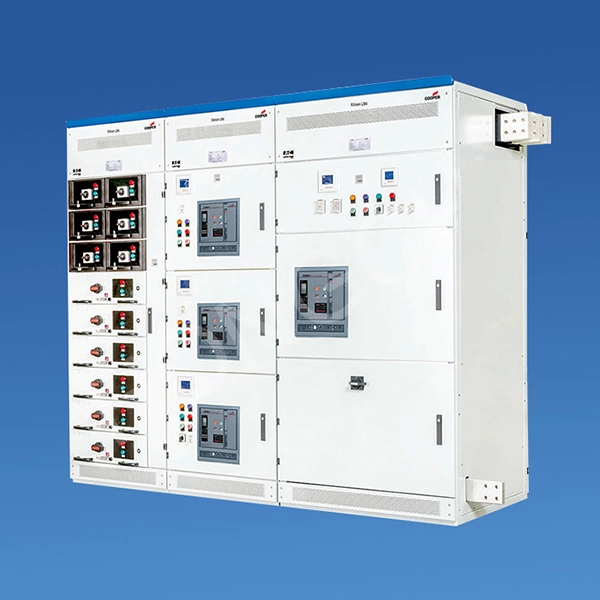
Raydafon Group draw-out switchgear panels are fabricated from high-quality galvanized steel or aluminum-zinc coated sheet steel. The enclosure is divided into four main compartments: busbar compartment, circuit breaker compartment, cable compartment, and low-voltage compartment. Each compartment is separated by earthed metal partitions and has its own pressure relief channel. In the event of an internal arc, the pressure relief flaps open upward or rearward to vent hot gases away from the operator.
The busbar compartment houses the main horizontal busbars, which are supported by epoxy resin insulators or SMC brackets. Busbar joints are designed to maintain constant contact pressure and are accessible through bolted covers. Optional busbar insulation can be applied to reduce the risk of flashover in polluted or high-humidity environments. The circuit breaker compartment includes guide rails, shutters, and a racking screw. The cable compartment is sized for a wide range of cable cross-sections and can be equipped with current transformers, voltage transformers, surge arresters, and zero-sequence current transformers.
The low-voltage compartment contains protection relays, terminal blocks, auxiliary switches, and control devices. A dedicated wiring duct separates AC and DC circuits. Hinged front doors with viewing windows allow operators to inspect the breaker position and relay status without opening the compartment. All panels are designed for front-access installation, reducing the need for rear clearance in electrical rooms.
Safety Interlocking and Protection
Safety interlocks in Raydafon Group draw-out switchgear are designed to prevent dangerous operations. The main interlocks include:
- Breaker cannot be racked in or out unless it is in the open position.
- Breaker cannot be closed unless it is in the connected or test position and the secondary plug is fully engaged.
- Earthing switch can only be closed when the breaker is in the disconnected or test position.
- Cable compartment door cannot be opened unless the earthing switch is closed.
- Breaker cannot be racked into the connected position if the earthing switch is closed.
- Shutters automatically block access to live primary contacts when the breaker is withdrawn.
Optional electrical interlocks, key interlocks, and padlocking provisions are available for complex operational sequences. The switchgear can be fitted with an internal arc detection system that uses optical sensors or pressure sensors to initiate rapid tripping of the upstream breaker. This reduces the arc duration and limits damage to the switchgear and surrounding equipment.
Operating Conditions
- Ambient temperature: -15 °C to +40 °C for indoor installations; wider range with optional heaters or air conditioning.
- Relative humidity: Up to 95% non-condensing.
- Altitude: Standard rating up to 1000 m above sea level; derating applied above 1000 m.
- Seismic qualification: Withstands ground acceleration up to 0.5 g according to IEC 62271-207.
- Pollution degree: Class II or Class III for indoor switchgear.
- Installation: Indoor, free-standing or wall-mounted, front access design.
Applications
Draw-out switchgear from Raydafon Group is suitable for a wide range of medium-voltage applications, including:
- Primary and secondary distribution substations
- Ring main units and switching stations
- Industrial plants such as steel mills, cement plants, chemical facilities, and paper mills
- Data centers and telecommunications facilities requiring high availability
- Hospitals and critical infrastructure where outage time must be minimized
- Mining operations with frequent load changes and harsh environments
- Renewable energy installations such as solar farms and wind power collection points
- Oil and gas facilities with hazardous area classifications and strict safety requirements
Standards and Certifications
Raydafon Group draw-out switchgear is designed and tested in accordance with the following international standards:
- IEC 62271-200: AC metal-enclosed switchgear and controlgear for rated voltages above 1 kV and up to and including 52 kV
- IEC 62271-100: High-voltage switchgear and controlgear – Alternating-current circuit breakers
- IEC 62271-102: Alternating current disconnectors and earthing switches
- IEC 62271-1: Common specifications for high-voltage switchgear and controlgear standards
- IEC 62271-207: Seismic qualification for metal-enclosed switchgear assemblies
- IEEE C37.20.2: Standard for metal-clad switchgear
- GB 3906: Chinese standard for AC metal-enclosed switchgear
Type tests include dielectric tests, temperature rise tests, short-time and peak withstand current tests, internal arc tests, mechanical endurance tests, and electromagnetic compatibility tests. Certificates and test reports are available upon request.
Maintenance and Lifecycle
The draw-out design significantly reduces maintenance time. A complete breaker replacement can be performed in less than 10 minutes by trained personnel. Routine maintenance focuses on visual inspection of contacts, lubrication of the racking mechanism, and verification of interlock functions. Raydafon Group recommends an annual inspection for normal indoor environments and more frequent checks for dusty, humid, or corrosive locations. Spare parts such as breakers, auxiliary switches, and protection relays are available with long-term support. The design life expectancy of the switchgear enclosure is 30 years or more, with vacuum circuit breakers rated for 10,000 mechanical operations.
Frequently Asked Questions About Draw-Out Switchgear
What is the difference between draw-out switchgear and fixed-type switchgear?
In draw-out switchgear, the circuit breaker is mounted on a withdrawable truck or cassette, allowing it to be moved between connected, test, and disconnected positions without removing any primary connections. In fixed-type switchgear, the breaker is bolted directly into the main circuit, and isolation requires disconnecting cables or busbars. Draw-out switchgear offers faster replacement, safer maintenance, and better operational flexibility. Raydafon Group designs draw-out units so that the breaker can be exchanged in minutes, while fixed-type designs may require hours of shutdown. The test position in draw-out switchgear also allows secondary circuit testing without energizing the main primary circuit.
How does the racking mechanism work in draw-out switchgear?
The racking mechanism uses a lead screw or rack-and-pinion arrangement to move the circuit breaker between positions. The operator inserts a racking handle into the mechanism and rotates it. The breaker travels on guide rails, and primary contacts engage or disengage gradually. Mechanical interlocks prevent racking when the breaker is closed. Position indicators show whether the breaker is connected, test, or disconnected. Some Raydafon Group models offer motorized racking as an option, allowing remote operation from a control room. The racking mechanism is designed to withstand repeated operations without loss of alignment or contact pressure.
What safety features should be included in draw-out switchgear?
Essential safety features include automatic shutters over live primary contacts, mechanical interlocking between the breaker and earthing switch, door interlocks that prevent access to energized cable compartments, and internal arc pressure relief channels. Raydafon Group switchgear also includes position indicators, padlock points for lockout-tagout procedures, and optional arc detection systems. The compartments are segregated by metal barriers, so a fault in one compartment does not spread easily to others. Operators should verify all interlocks during commissioning and after any maintenance activity.
Can draw-out switchgear be used in outdoor installations?
Standard draw-out switchgear is designed for indoor use. For outdoor applications, Raydafon Group can supply the switchgear inside a weatherproof enclosure with IP54 protection, anti-condensation heaters, and corrosion-resistant coatings. Outdoor shelters may include air conditioning or ventilation systems to maintain internal temperature and humidity within rated limits. The same draw-out breaker and panel design is used, so maintenance procedures remain unchanged. Outdoor installations require additional considerations for cable entry, lightning protection, and wind or seismic loads.
What is the difference between metal-clad and metal-enclosed draw-out switchgear?
Metal-clad switchgear is a specific type of metal-enclosed switchgear with additional requirements: each main switching device is in a separate metal compartment, and the circuit breaker is removable. Metal-enclosed switchgear may have fewer compartments or non-metallic partitions. Raydafon Group draw-out switchgear typically meets the metal-clad definition according to IEC 62271-200 and IEEE C37.20.2. This provides the highest level of compartmentalization and operator protection. Metal-clad designs are preferred for applications where safety and continuous operation are critical.
How do I select the correct current rating for draw-out switchgear?
The current rating should be based on the maximum continuous load current plus allowance for future expansion and ambient temperature derating. Standard ratings include 630 A, 1250 A, 1600 A, 2000 A, 2500 A, 3150 A, and 4000 A. For high ambient temperatures above 40 °C or altitude above 1000 m, derating factors apply. Raydafon Group engineers can perform a detailed load flow and temperature rise calculation to recommend the correct busbar and breaker rating. Oversizing the busbar system may be cost-effective if future load growth is expected because busbar replacement is much more difficult than breaker replacement.
What maintenance does draw-out switchgear require?
Routine maintenance includes visual inspection of primary contacts and shutters, checking the racking mechanism for smooth operation, verifying interlock functions, cleaning insulation surfaces, and tightening accessible bolted connections. Vacuum circuit breakers require minimal maintenance because the interrupters are sealed for life. However, the operating mechanism may need lubrication every few years depending on the environment. Raydafon Group recommends testing protection relays and secondary circuits annually. Thermal imaging of busbar and cable connections can detect hot spots before they cause failures. After a short-circuit fault, the breaker and nearby panels should be inspected for signs of arc damage or deformation.
Can draw-out switchgear be integrated with SCADA or building management systems?
Yes. Raydafon Group draw-out switchgear can be equipped with communication-enabled protection relays, digital I/O modules, and temperature sensors. Standard protocols include Modbus RTU, Modbus TCP, IEC 61850, and Profibus. Remote monitoring allows operators to view breaker status, current, voltage, power, and fault records from a control room. Remote open and close commands can be enabled with appropriate safety interlocks and network security measures. The low-voltage compartment provides dedicated space for communication wiring and protocol converters. This integration reduces the need for local manual operation and improves response time during electrical events.
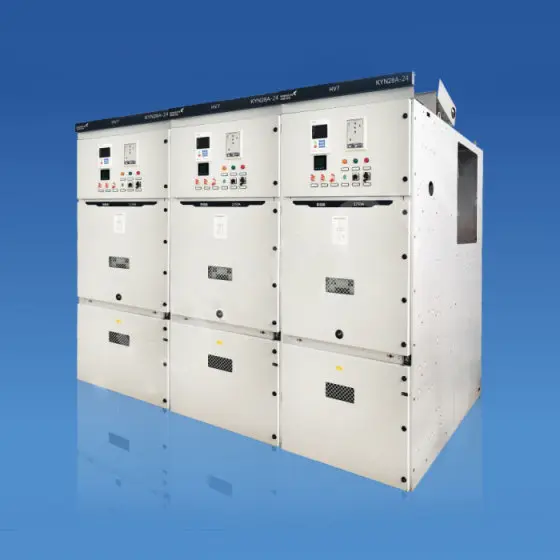
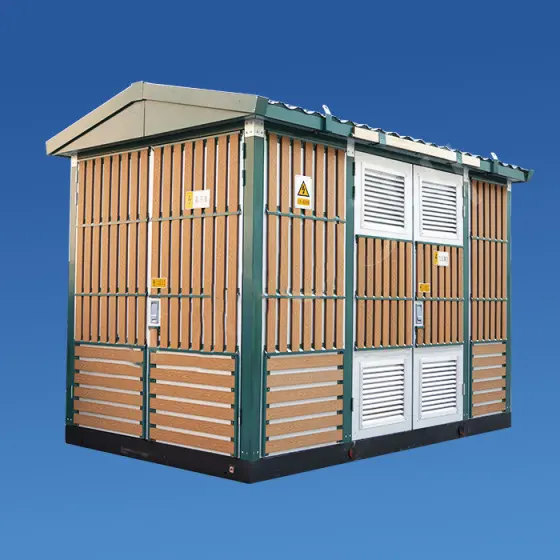
- View as
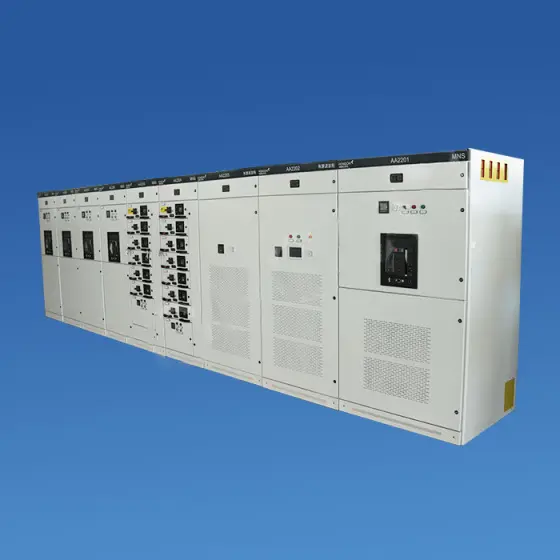
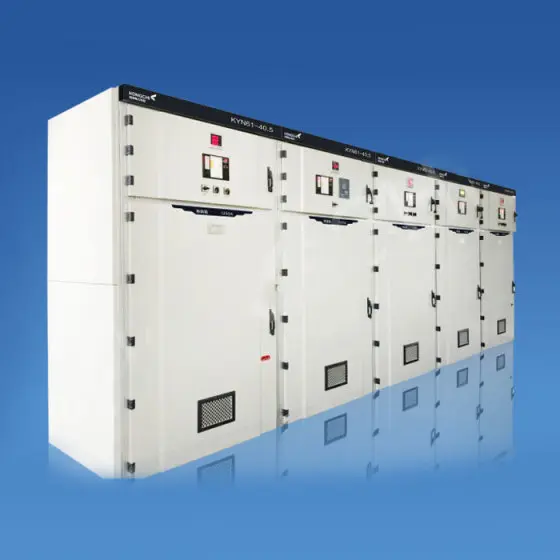
MNS Low Voltage Draw-Out Switchgear (up to 6300A)
Raydafon Group MNS Low Voltage Draw-Out Switchgear (up to 6300A) delivers reliable low-voltage control.
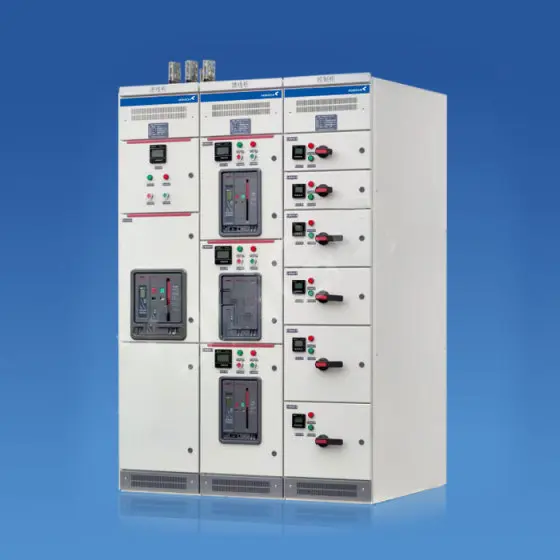
GCS Low Voltage Draw-Out Switchgear (up to 4000A)
Raydafon Group's GCS Low Voltage Draw-Out Switchgear (up to 4000A) delivers safe power distribution.