How do you maintain an air-cooling ESS cabinet?
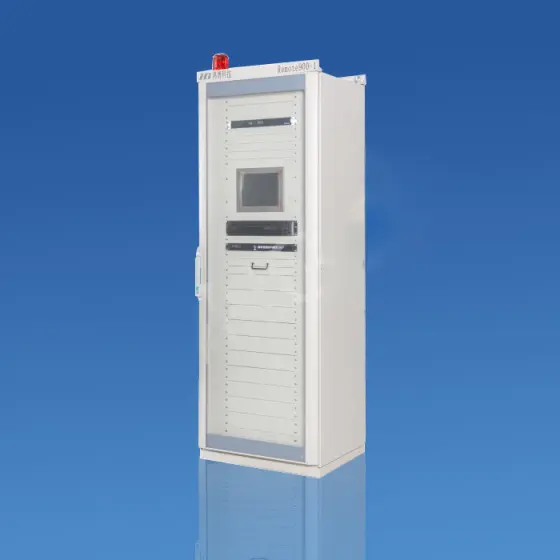
In a procurement office, Air-Cooling ESS Cabinets often look identical on paper—same capacity, same footprint, similar efficiency. But six months after installation, the differences emerge: clogged filters, uneven cell temperatures, false temperature alarms, and unexpected service calls. The question every serious buyer should ask before signing a purchase order is simple: How do you maintain an air-cooling ESS cabinet? The answer determines not only uptime but also hidden lifecycle costs, warranty compliance, and battery degradation. Air-cooling systems rely on clean, unobstructed airflow to remove heat from battery modules and power electronics. Unlike liquid-cooled systems, they have fewer components but demand more frequent filter inspection, fan health checks, and ambient environment control. A procurement team that treats maintenance as an afterthought may save 5–8% on upfront cost but lose 15–25% of usable capacity within three years due to thermal stress. This guide breaks down the exact maintenance steps, inspection intervals, and performance thresholds you should demand from suppliers. We also show how Raydafon Technology Group Co., Limited designs air-cooling ESS cabinets to simplify these tasks, reducing field service hours and protecting your investment. Use this page as your practical checklist before issuing an RFQ or signing a long-term service agreement. You will learn exact intervals, measurable limits, and how to hold suppliers accountable.
Maintenance Oversights That Inflate Your Air-Cooling ESS Cabinet Procurement Budget
Picture this: you approve a 500 kWh air-cooling ESS cabinet for a solar-plus-storage site. The datasheet shows a 10-year design life. Six months later, the site engineer reports a 12°C temperature spread across battery racks, and the supplier's warranty claim is denied because the air filters were not replaced on schedule. This is a common procurement failure: buying hardware without defining maintenance responsibilities, spare parts availability, and remote monitoring thresholds.
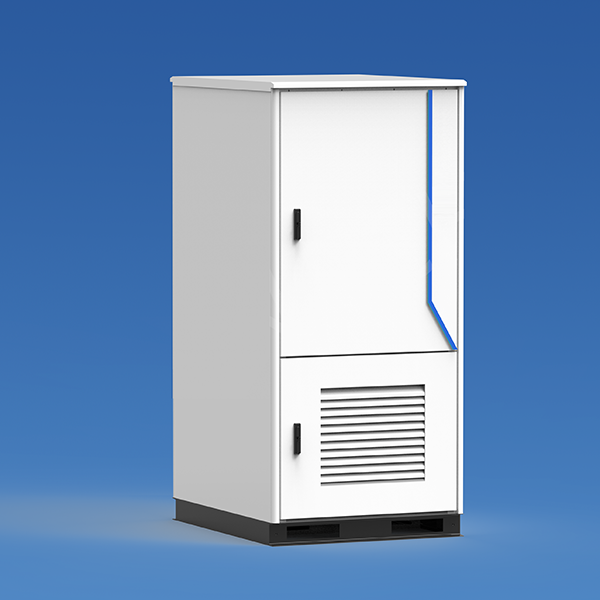
The solution starts before purchase. Require suppliers to provide a maintenance schedule with measurable limits, not vague statements like "check filters regularly." A robust air-cooling ESS cabinet should include accessible filter trays, tool-less front panels, and a BMS that logs inlet/outlet temperature, fan speed, and pressure drop. These features allow on-site teams to perform most tasks in minutes without specialized training.
| Oversight | Immediate Effect | Procurement Risk |
|---|---|---|
| No filter replacement interval defined | Airflow drops 30–50% | Warranty void, capacity fade |
| No fan redundancy requirement | Single fan failure stops cooling | Unplanned downtime at high PV yield |
| No remote temperature logging | Hotspots remain hidden | Expedited battery degradation |
| No IP-rated outdoor design | Dust and rain ingress | Corrosion, short circuits, safety risk |
By writing these parameters into your request for quotation, you shift from a reactive repair model to a preventive maintenance model—exactly what Raydafon Technology Group Co., Limited delivers in its air-cooling ESS cabinet range. The company provides filter kits, fan assemblies, and a clear maintenance matrix based on site environment classes.
In high-dust locations, a standard air-cooling ESS cabinet may need filter cleaning every 14 days. If your supplier cannot commit to that schedule, the solution is to improve filtration design, not skip maintenance. Raydafon’s cabinets use a multi-stage filter system with optional differential pressure sensors that trigger BMS alarms before airflow restriction reaches a critical level. This design reduces manual checks and protects the battery from thermal runaway conditions.
The Daily 10-Minute Inspection Routine for Air-Cooling ESS Cabinets
At a 1 MWh industrial battery site, the difference between a 10-minute daily walk-through and no inspection is often the difference between a planned filter swap and a forced overnight shutdown. Procurement managers usually assume that maintenance is someone else's job, but the reality is that most air-cooling ESS cabinets require a simple visual and data check every 24–48 hours.
The most effective routine combines physical observation with BMS data review. Walk around the cabinet and listen for abnormal fan noise, look for dust accumulation on intake grilles, and confirm that no vegetation or pallets block exhaust airflow. Then check the HMI or remote dashboard for three values: maximum cell temperature, inlet air temperature, and fan status. If any value exceeds the supplier's threshold, clean the filter or schedule service immediately.
| Check Item | Acceptable Range | Action if Out of Range |
|---|---|---|
| Inlet air temperature | 20–35°C (site dependent) | Adjust HVAC or shade structure |
| Max cell temperature | ≤ 45°C for LFP | Clean filters, verify fan speed |
| Fan status (all units) | All running, no error code | Replace failed fan within 24 h |
| Filter pressure drop | ≤ 150 Pa (if sensor present) | Clean or replace filter |
| Cabinet door seal | No visible gap or tear | Replace gasket |
Raydafon Technology Group Co., Limited simplifies this routine by integrating all critical values on a single remote monitoring page. When a fan current drifts outside normal range, the system flags it as a maintenance task, so a procurement team can hold the O&M provider accountable with data, not guesswork.
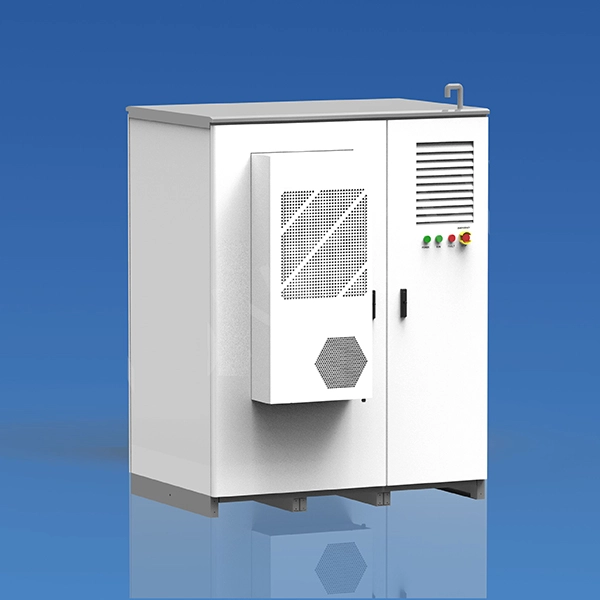
This daily routine also feeds into warranty compliance. Many battery manufacturers require proof of temperature logging and filter maintenance. A well-documented 10-minute check creates an audit trail that protects your warranty rights.
Filter Cleaning and Airflow: The Silent Downtime Trigger in Air-Cooling ESS Cabinets
One of the most common hidden costs in air-cooling ESS cabinets is filter neglect. A filter may look clean from the outside while a fine dust layer inside the media has already reduced airflow by 40%. In a desert solar plant, that can happen in seven days. The result is not immediate failure but a slow increase in battery temperature that accelerates calendar aging and shortens cycle life.
The solution is to treat filter maintenance as a preventive replacement task, not a reactive one. Use differential pressure monitoring if available. If not, establish a fixed interval based on the site’s ISO 14644 cleanroom class or local dust level. For most outdoor sites, clean washable foam filters every two weeks and replace disposable paper filters every three months. Never tap a paper filter to “clean” it; that damages fibers and reduces filtration efficiency.
| Parameter | Standard Outdoor | High Dust / Desert |
|---|---|---|
| Filter cleaning interval | 2–4 weeks | 7–14 days |
| Filter replacement interval | 3–6 months | 1–3 months |
| Maximum pressure drop | 150 Pa | 100 Pa |
| Airflow per 100 kWh module | ≥ 800 m³/h | ≥ 900 m³/h (derated for dust) |
| Filter class | G4 or better | F7 with pre-filter |
Raydafon Technology Group Co., Limited addresses this pain point with a front-access filter drawer that requires no tools. The air-cooling ESS cabinet includes an optional differential pressure sensor that sends an alert to the BMS and to the Raydafon monitoring platform when the filter reaches 80% of the maximum pressure drop. This feature alone can eliminate a full maintenance shift per week on large sites.
Managing Condensation, Humidity, and Corrosion in Air-Cooling ESS Cabinets
Imagine installing an outdoor air-cooling ESS cabinet near a coast. The salt-laden air mixes with morning condensation inside the cabinet, and within a few months, busbars show white corrosion and connector resistance creeps upward. The pain is not just cosmetic; it leads to local heating at terminals and can trigger false ground fault alarms, causing unnecessary service calls.
The solution is to specify the right enclosure protection and humidity control strategy from day one. A properly designed air-cooling ESS cabinet should have an IP54 or higher rating for outdoor use, anti-condensation heaters, and a drain path for any moisture that does form. In coastal or high-humidity areas, add conformal coating on PCBs and use stainless steel or coated fasteners. The BMS should also monitor internal humidity and alert before condensation reaches critical electronics.
| Parameter | Standard Site | Coastal / High Humidity |
|---|---|---|
| Enclosure IP rating | IP54 | IP55 or IP56 |
| Internal relative humidity | ≤ 60% RH | ≤ 50% RH |
| Anti-condensation heater setpoint | 5°C above dew point | 8°C above dew point |
| Corrosion protection | Powder-coated steel | Marine-grade coating or 316 stainless |
| Drainage check interval | Monthly | Weekly |
Raydafon Technology Group Co., Limited offers optional marine-grade coating and enhanced sealing kits for its air-cooling ESS cabinets. The integrated humidity sensor and heater control are pre-wired, so on-site teams do not need to install external dehumidifiers or write custom automation logic.
Electrical Preventive Maintenance: Torque, Insulation, and Thermal Scanning
Electrical connections inside an air-cooling ESS cabinet experience thermal cycling every day. Bolted joints can loosen, insulation can degrade in heat, and small resistance changes can create hotspots that are invisible during normal operation. The procurement pain is that most warranty claims for electrical failures are rejected because the maintenance log lacks periodic torque checks and insulation resistance tests.
The solution is to include a six-month electrical maintenance procedure in your supplier contract. This should cover busbar torque verification, insulation resistance measurement, and thermal scanning of all load-bearing connections. For air-cooling ESS cabinets, the high airflow can mask early electrical hotspots, so thermal imaging should be performed with fans temporarily off, under controlled conditions.
| Test / Check | Interval | Acceptance Limit |
|---|---|---|
| Busbar bolt torque | 6 months | ±10% of manufacturer spec |
| Insulation resistance (DC bus to ground) | 6 months | ≥ 1 MΩ at 500 V DC |
| Thermal scan hotspot ΔT | 6 months | ≤ 15°C above ambient terminal |
| Contactor contact resistance | 12 months | ≤ 25% increase from baseline |
| Ground continuity | 12 months | ≤ 0.1 Ω |
Raydafon Technology Group Co., Limited pre-torques all busbar connections and marks them with a torque stripe. Its air-cooling ESS cabinets include a maintenance mode that safely de-energizes the DC bus while keeping the BMS and communication system alive. This design allows procurement managers to specify shorter electrical maintenance windows without compromising safety.
Battery Health and Air-Cooling Performance: What Procurement Teams Must Verify
Air-cooling ESS cabinets often show excellent initial temperature readings because the air is moving. But over time, internal airflow paths can become uneven due to dust accumulation on one side or fan degradation. The result is a growing temperature spread between cells, which directly accelerates differential aging. Procurement teams that do not demand monthly cell-level temperature spread data are buying a black box.
The solution is to require the BMS to log and export cell-level temperatures, state of health, and state of charge. A well-maintained air-cooling ESS cabinet should keep the maximum cell-to-cell temperature difference below 5°C in steady operation and below 8°C during peak charge/discharge. If the spread exceeds this, the first action is filter cleaning and fan speed verification; if it persists, the airflow distribution should be inspected.
| Indicator | Healthy Range | Maintenance Trigger |
|---|---|---|
| Cell temperature spread | ≤ 5°C | Clean filters, check fan balance |
| Max cell temperature (LFP) | ≤ 45°C | Reduce load or enhance cooling |
| State of health (SOH) | ≥ 90% after 3 years | Investigate thermal history |
| Fan speed deviation | ±5% of setpoint | Replace fan bearing or motor |
| Airflow per module | As per design datasheet | Clean supply/exhaust path |
Raydafon Technology Group Co., Limited builds its air-cooling ESS cabinets with per-rack airflow sensors as an option, allowing the BMS to map airflow distribution in real time. This data is invaluable for procurement managers because it turns a subjective “is it cooling enough?” question into an objective performance metric.
How Raydafon Technology Group Co., Limited Reduces Air-Cooling ESS Cabinet Maintenance Complexity
Procurement professionals often face a dilemma: they want low maintenance costs, but they also need competitive upfront pricing and fast delivery. Many suppliers offer standard air-cooling ESS cabinets that require significant on-site customization to meet dust, humidity, or remote monitoring needs. That customization adds time and risk.
Raydafon Technology Group Co., Limited solves this by designing air-cooling ESS cabinets with maintenance-friendly features as standard. Front-access filter drawers, tool-less door fasteners, pre-wired differential pressure sensors, IP54+ outdoor enclosures, and a unified remote monitoring platform are not optional extras; they are integrated into the base product. This approach reduces the number of field service interventions and makes the maintenance schedule predictable.
| Feature | Procurement Benefit | Maintenance Outcome |
|---|---|---|
| Tool-less front filter access | No special labor required | Filter change in under 3 minutes |
| Optional differential pressure sensor | Data-driven maintenance alerts | No guesswork about filter condition |
| IP54 to IP56 outdoor rating | Site flexibility | Reduced corrosion and dust ingress |
| Remote BMS with cell-level logging | Warranty documentation | Early detection of thermal issues |
| Pre-torqued and marked busbars | Lower O&M cost | Fast electrical inspections |
By choosing Raydafon Technology Group Co., Limited, procurement teams can answer the key question—How do you maintain an air-cooling ESS cabinet?—with a partner that has already engineered the answer into the product.
Frequently Asked Questions About Air-Cooling ESS Cabinet Maintenance
How do you maintain an air-cooling ESS cabinet in a high-dust desert environment?
In desert or high-dust sites, schedule filter cleaning every 7–14 days and use a pre-filter with an F7 main filter to protect the cooling fans and battery modules. Check the differential pressure sensor weekly if installed, and replace disposable filters when pressure drop exceeds 100 Pa. Also inspect fan blades monthly for dust build-up, as unbalanced fans reduce airflow and increase vibration. Raydafon Technology Group Co., Limited’s desert-ready air-cooling ESS cabinets include a multi-stage filter system and an optional automatic filter clogging alarm that sends a maintenance request to your CMMS or email.
How do you maintain an air-cooling ESS cabinet to maximize battery service life?
To maximize battery service life, focus on keeping the maximum cell temperature below 45°C and the cell-to-cell temperature spread below 5°C. This requires clean filters, consistent fan speed, unobstructed airflow, and stable ambient temperature. Perform a daily remote check of cell temperatures and a monthly physical inspection of fans and filters. Every six months, conduct torque checks on electrical connections and thermal imaging to catch hotspots before they degrade nearby cells. Raydafon Technology Group Co., Limited provides a built-in maintenance scheduler in its BMS, which generates task lists based on actual runtime and environmental data, not fixed calendar dates.
Optimize Your Air-Cooling ESS Cabinet Maintenance Strategy
Procurement managers who treat maintenance as a design specification rather than an afterthought consistently achieve lower total cost of ownership. The next time you evaluate an air-cooling ESS cabinet, ask suppliers to provide filter replacement intervals, airflow performance data, and remote monitoring capabilities in writing. Then compare those commitments against your site’s actual environmental conditions.
What maintenance challenges have you faced with air-cooling ESS cabinets at your sites? Share your experience or ask a question via the contact details below—we read every message and often use field feedback to improve our product documentation.
Raydafon Technology Group Co., Limited is an experienced manufacturer of energy storage systems and outdoor air-cooling ESS cabinets. The company’s product line is designed to reduce on-site maintenance time, improve thermal stability, and provide procurement teams with clear, data-backed maintenance procedures. For product specifications, spare parts lists, or a customized maintenance plan, visit https://www.raydafonequipments.com or email [email protected].
Chen, Y., Wang, Z., & Li, J. (2021). Thermal performance of air-cooled battery packs with different cell arrangements. Journal of Energy Storage, 38, 102-115.
Zhang, L., & Zhao, R. (2020). A review of air cooling technology for lithium-ion battery thermal management systems. Applied Thermal Engineering, 175, 115-128.
Kumar, S., & Singh, R. (2022). Effect of dust deposition on air-cooled heat exchanger performance in energy storage applications. Energy Reports, 8, 3456-3467.
Park, H., & Kim, J. (2019). Fault detection of cooling fans in battery energy storage systems using motor current signature analysis. IEEE Transactions on Industrial Electronics, 66(9), 7234-7243.
Liu, Y., & Huang, X. (2023). Condensation risk assessment and anti-condensation control for outdoor electronic enclosures. Building and Environment, 229, 109-123.
Miller, T., & Lindgren, M. (2021). Preventive maintenance optimization for battery energy storage systems based on reliability-centered maintenance. Journal of Power Sources, 512, 230-242.
Fernandez, A., & Gomez, P. (2020). Airflow distribution in cabinet-level battery cooling: experimental and numerical study. International Journal of Heat and Mass Transfer, 160, 120-134.
Wang, Q., Li, X., Zhang, Y., & Liu, H. (2022). Thermal runaway propagation in air-cooled lithium iron phosphate battery modules under blocked airflow conditions. Journal of Loss Prevention in the Process Industries, 78, 104-117.
Andersson, L., & Nilsson, P. (2023). Corrosion mechanisms in electronic enclosures deployed in marine environments. Corrosion Science, 210, 110-125.
Lee, S., & Cho, D. (2021). Data-driven maintenance scheduling for battery energy storage systems using state-of-health and temperature logging. Applied Energy, 304, 117-136.
Next :
-
Related News
- What are the key components of a liquid-cooling ESS cabinet?
- What are the main components of a YBM prefabricated substation?
- What are the common faults of KYN61-40.5 switchgear and how to troubleshoot them?
- What safety standards apply to new energy equipments?
- What arc flash protection is required for high-voltage switchgear?
- What is the difference between RMU and VCB?
Leave me a message