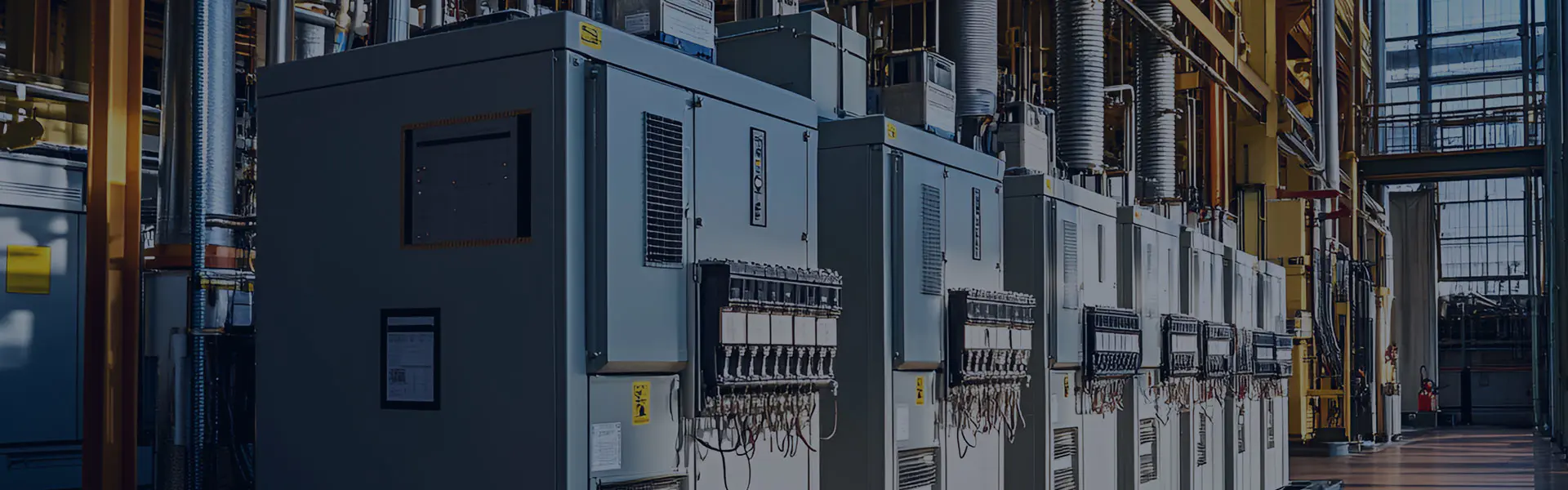
What are the main components of a YBM prefabricated substation?
Imagine standing in a dusty construction yard, the deadline for electrifying a remote industrial park looming over you. The last thing you need is a substation that requires months of on-site assembly, exposes sensitive equipment to weather, or fails during peak demand. This is exactly where a YBM Prefabricated Substation shines. But before you place an order, you need to be absolutely clear on one critical question: What are the main components of a YBM prefabricated substation? Knowing the answer isn't just technical curiosity—it's the key to specifying a unit that won’t fail your project, delay your schedule, or drain your maintenance budget. In the next few minutes, you’ll move from uncertainty to confidence, understanding every major building block, how it solves real–world pain points, and where Raydafon Technology Group Co., Limited fits into this picture as a partner who delivers complete, factory–tested solutions tailored for global procurement teams.
- Understanding the Core Structural Enclosure
- Power Distribution and Protection: Medium Voltage Switchgear
- Transformer Unit: Efficient Power Conversion
- Low Voltage Distribution Panel: The Control Center
- Auxiliary Systems: Safety and Environmental Control
Understanding the Core Structural Enclosure
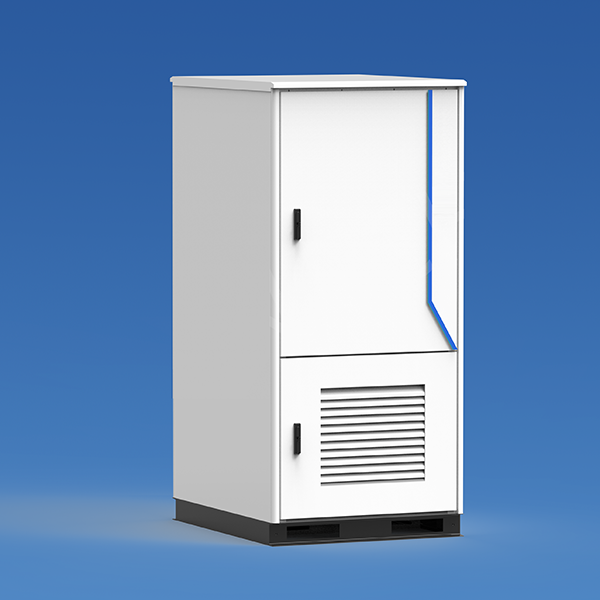
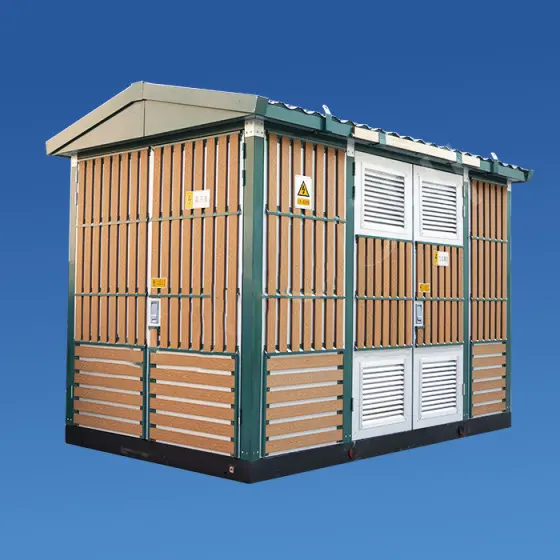
Have you ever opened a shipping container in a rainstorm and found the inside bone dry? That's the mental model for a YBM prefabricated substation's enclosure. Procurement managers often worry about whether the housing can survive sea salt, desert sand, or sub–zero winters without demanding perpetual maintenance. The solution lies in a fully welded or folding–panel structure made of galvanized steel with optional aluminum–zinc coating. Internally, sandwich panels filled with rock wool insulation suppress noise and maintain thermal stability. The enclosure integrates base channels, removable lifting lugs, and cable entry plates pre–fitted during manufacturing. Everything arrives on a single skid, slashing on–site labor and eliminating weather delays. At Raydafon Technology Group Co., Limited, we use factory–applied protective coatings rated for C5 corrosion environments, ensuring your substation enclosure lasts decades with minimal intervention.
Power Distribution and Protection: Medium Voltage Switchgear
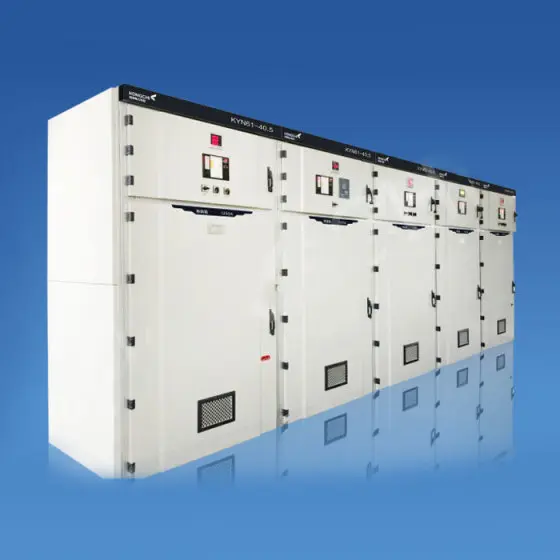
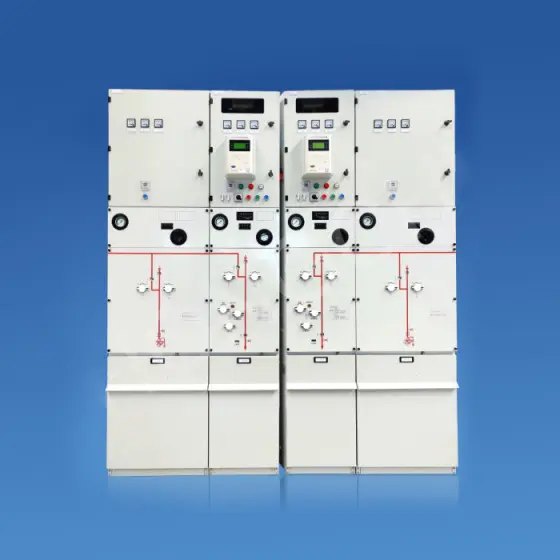
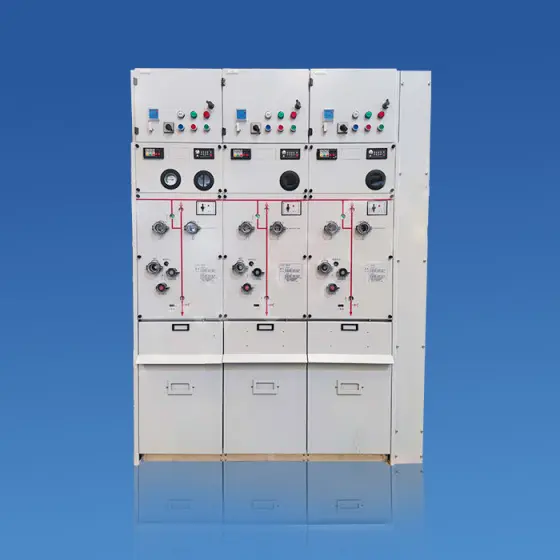
Picture a midnight call from the operations manager reporting a total blackout because a feeder circuit failed. For a purchasing decision–maker, that nightmare stems from selecting substations with unreliable medium voltage switchgear. A YBM prefabricated substation solves this by incorporating type–tested MV switchgear inside the enclosure. Typically, this includes load break switches, vacuum circuit breakers, or SF6–insulated ring main units, all pre–wired and interlocked. Every feeder is equipped with protection relays that isolate faults in milliseconds, protecting both upstream transformers and downstream equipment. The table below benchmarks key parameters to guide your specification.
| Parameter | Typical Offering | Benefit |
|---|---|---|
| Rated voltage | 7.2kV – 40.5kV | Covers most industrial and utility applications |
| Switch type | SF6 gas insulated or vacuum | Maintenance–free operation for 20+ years |
| Protection | IEC 62271–100 / 60255 relays | Fast fault clearance, remote signaling |
Raydafon Technology Group Co., Limited integrates MV switchgear from partners known for compliance with the latest IEC standards, giving you peace of mind that protection coordination has been verified before the unit leaves the factory.
Q: What are the main components of a YBM prefabricated substation?
A: The fundamental building blocks are the weatherproof structural enclosure, medium voltage switchgear for power intake and protection, the transformer unit for voltage conversion, a fully assembled low voltage distribution panel, and auxiliary systems that manage temperature, ventilation, and safety. All are pre–engineered to work together within a compact, transportable footprint.
Transformer Unit: Efficient Power Conversion
You’ve likely been handed specification sheets where transformer losses determine lifecycle cost approval. A poorly chosen transformer inside a YBM substation can inflate energy bills and overheat the enclosure. The remedy is selecting between oil–immersed or dry–type transformers optimized for the expected load profile. Oil–type units use sealed tanks with corrugated fins for natural cooling, while dry–type transformers feature class H insulation and forced–air cooling for indoor–sensitive environments. Both options are mounted on vibration dampers to prevent noise transmission. Critical data points such as no–load loss, short–circuit impedance, and temperature rise limits are verified during routine tests. Raydafon Technology Group Co., Limited pre–configures transformer compartments with automatic fire suppression and oil containment pits when required, eliminating last–minute site modifications.
| Parameter | Oil–Immersed | Dry–Type |
|---|---|---|
| Capacity range | 200 – 2500 kVA | 100 – 1600 kVA |
| Cooling | ONAN / ONAF | AN / AF |
| Insulation class | A (oil) | H (200°C) |
Low Voltage Distribution Panel: The Control Center
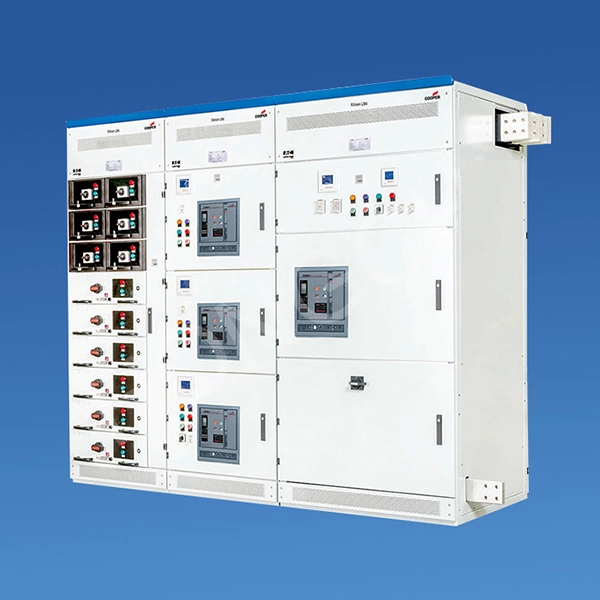
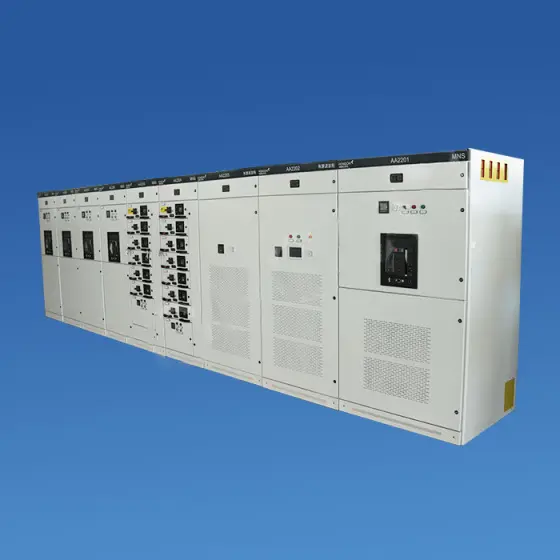
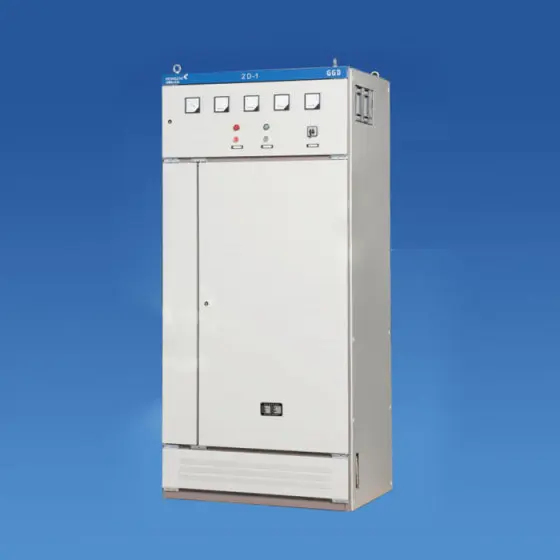
Late–project changes in feeder counts can turn a smooth installation into a expensive rework. That’s why the low voltage distribution panel inside a YBM prefabricated substation must be modular and expandable. Enclosed in a separate compartment, the LV board houses circuit breakers, fuse disconnectors, metering equipment, and an auxiliary transformer for station services. Busbars are typically rated up to 6300 A, with short–circuit withstand of 85 kA/1s to handle downstream faults. Remote monitoring devices and smart meters can be integrated, giving your site manager real–time visibility into power quality and consumption. Raydafon Technology Group Co., Limited delivers LV panels pre–populated with the exact feeder count you specify, factory–tested, reducing on–site commissioning time by up to 60%.
Q: What are the main components of a YBM prefabricated substation?
A: The primary components are a corrosion–resistant enclosure, an integrated medium voltage switchgear line–up, a high–efficiency transformer, a configurable low voltage distribution panel, and environmental control units to keep internal conditions within safe limits. Each component is designed and tested as part of a complete system, ensuring seamless interoperability.
Auxiliary Systems: Safety and Environmental Control
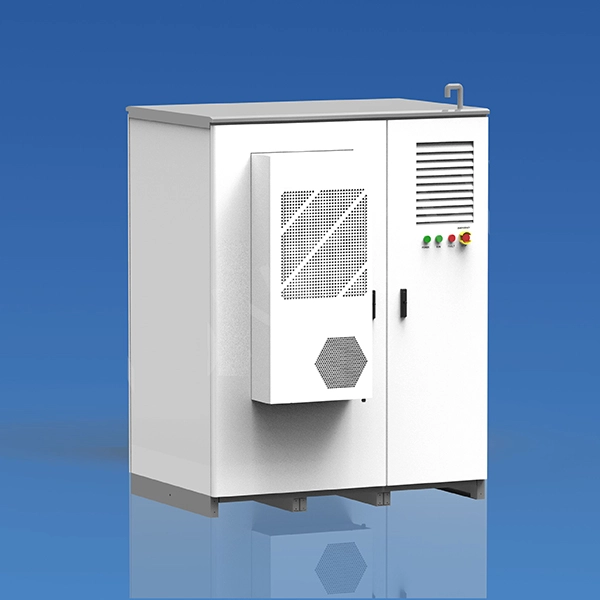
Imagine walking into a substation that feels like a sauna on a summer afternoon—equipment will age prematurely. To prevent that, YBM substations include forced ventilation fans with thermostats, strip heaters for condensation control, and sometimes air–conditioning units for extreme climates. Safety devices such as smoke detectors, fire extinguishers, and emergency lighting are wired to a central alarm panel. Cable trenches and conduits are pre–cut and sealed, while grounding systems are bonded at the factory. All these auxiliary systems are powered by a dedicated auxiliary transformer, isolating them from main power circuits. When you procure from Raydafon Technology Group Co., Limited, you receive a turnkey package where auxiliaries are already harmonized with the main equipment, avoiding the painful puzzle of site–integrating components from multiple vendors.
Whether you’re upgrading a rural power network or electrifying a new factory, the right YBM prefabricated substation depends on matching every component to your operational reality—not just a brochure. The team at Raydafon Technology Group Co., Limited has been doing exactly that for decades. Our pre–engineered solutions include full documentation, factory acceptance testing, and after–sale support that procurement departments rely on. Visit www.raydafonequipments.com or email our experts at [email protected] with your next project specifications. We’ll return a complete component configuration and compliance statement within 48 hours—the kind of speed you need to hit your deadlines without cutting corners.
Chen, L., & Wang, M. (2022). Prefabricated substation enclosure design for seismic resilience. IEEE Transactions on Power Delivery, 37(3), 1201–1212.
Ghosh, S., & Patel, R. (2021). Thermal performance of integrated dry–type transformers in compact substations. Energy Conversion and Management, 232, 113850.
Ibrahim, H., & Salleh, M. (2020). Corrosion mitigation strategies for steel enclosures in tropical coastal environments. Journal of Materials in Civil Engineering, 32(5), 04020078.
Jin, Y., & Kim, D. (2023). IoT–enabled LV distribution panels for predictive maintenance in prefabricated substations. Sensors, 23(4), 2104.
Kumar, A., & Singh, T. (2019). Arc flash protection coordination in medium voltage switchgear for containerized substations. Electric Power Systems Research, 176, 105942.
Li, X., & Zhang, W. (2021). Life cycle assessment of oil–immersed versus dry–type transformers in urban substations. Renewable and Sustainable Energy Reviews, 145, 111064.
Martinez, E., & Gonzalez, C. (2023). Fire suppression systems in unmanned prefabricated substations: a review. Fire Safety Journal, 136, 103745.
Okafor, V., & Ogunyemi, J. (2020). Busbar heat dissipation and thermal runaway prevention in densely packed LV switchgear. IET Generation, Transmission & Distribution, 14(18), 3734–3742.
Pham, T., & Nguyen, H. (2022). Dynamic vibration analysis of skid–mounted transformer assemblies during road transport. Mechanical Systems and Signal Processing, 163, 108081.
Rahman, M., & Hossain, S. (2021). Remote monitoring and control architecture for prepackaged secondary substations in smart grids. Journal of Modern Power Systems and Clean Energy, 9(2), 412–421.
Related News
- What are the common faults of KYN61-40.5 switchgear and how to troubleshoot them?
- What safety standards apply to new energy equipments?
- What arc flash protection is required for high-voltage switchgear?
- What is the difference between RMU and VCB?
- How much does intelligent monitor equipment typically cost?
- What are the main benefits of AI-driven thermal management in outdoor ESS?
Leave me a message