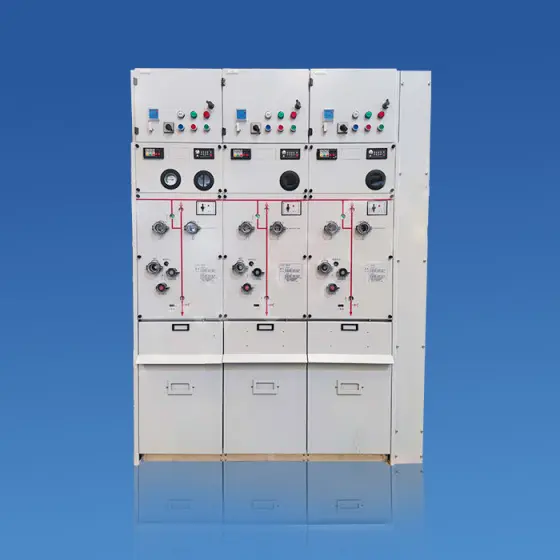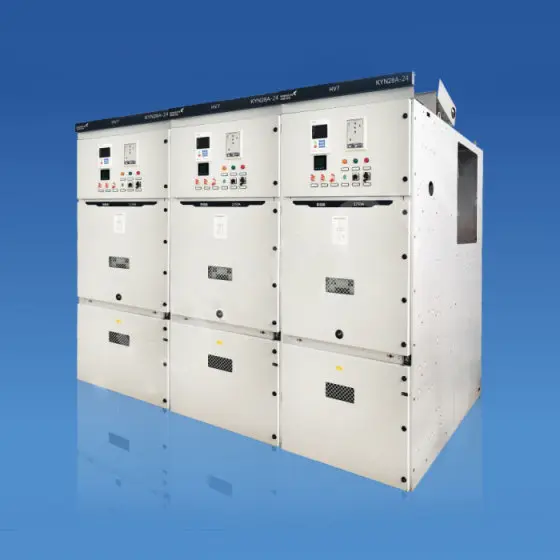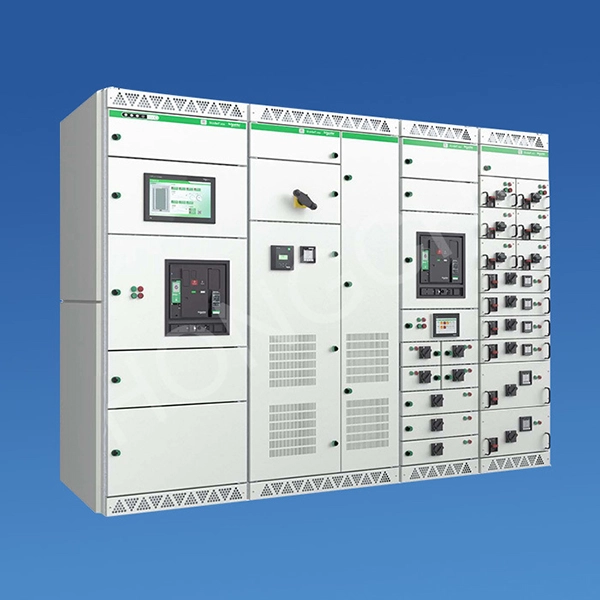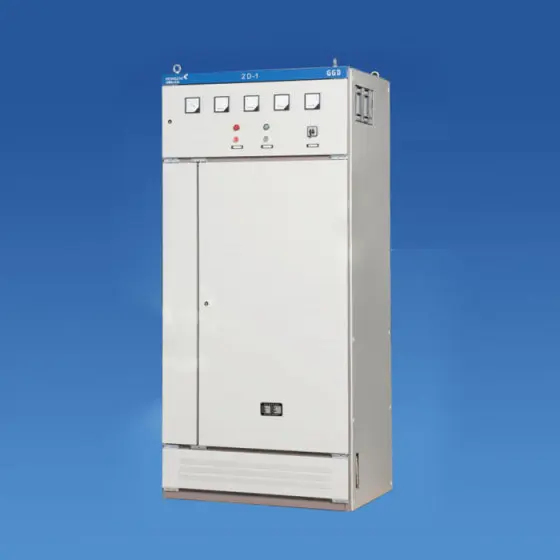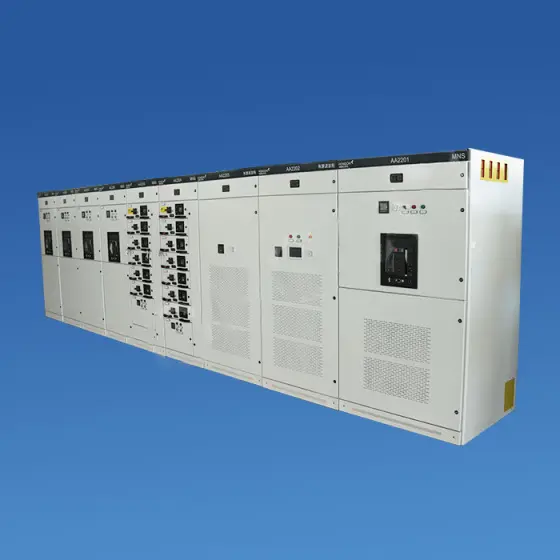
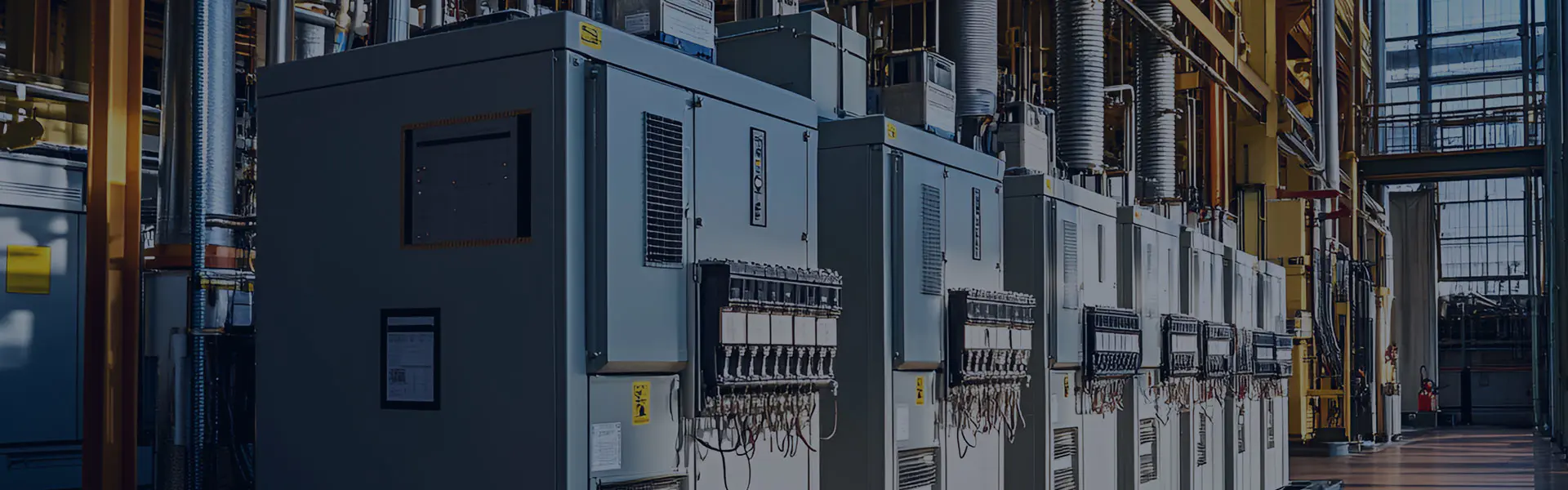
The rapid expansion of new energy installations—from residential battery systems to utility-scale solar farms—has brought unprecedented attention to equipment reliability. A frequent question on every procurement manager's mind is: What safety standards apply to new energy equipments? Imagine walking through a containerized battery storage yard during a sweltering afternoon. The air is thick with heat, and the metallic hum of inverters fills the space. Suddenly, a warning light flashes on a cabinet. Without robust adherence to international safety protocols, that moment could spiral into a thermal event, costly downtime, or regulatory penalties. Sourcing teams need more than a spec sheet; they require confidence that every component meets rigorous verification—covering electrical, fire, mechanical, and environmental hazards. In this guide, we break down the critical safety frameworks from IEC, UL, and ISO, translating them into actionable procurement checkpoints. Whether you're vetting suppliers or designing your own compliance matrix, understanding these standards is the first line of defense. And when you partner with experts like Raydafon Technology Group Co., Limited, you gain a team that pre-audits equipment against these exact criteria, closing the gap between paper certificates and real-world resilience.
1. Understanding Core Safety Standards for New Energy Equipment
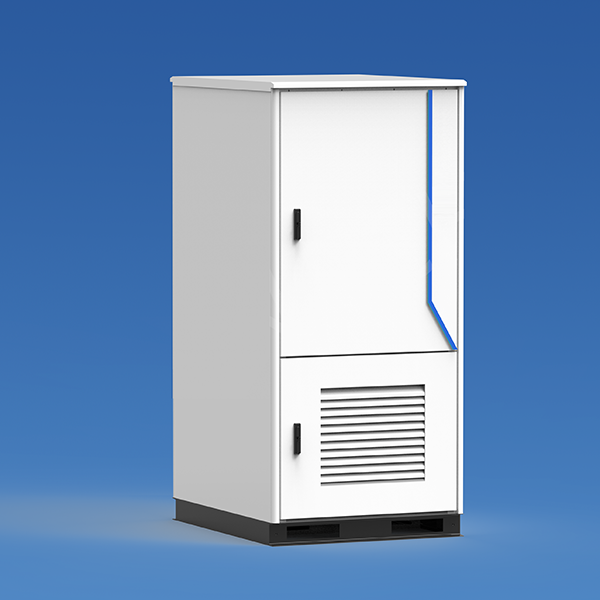
New energy equipment spans photovoltaics, wind turbines, battery storage, inverters, and charging infrastructure. Each category falls under distinct international guidelines. What safety standards apply to new energy equipments? The answer begins with IEC 62109 for power converters used in photovoltaic systems, which tests against electric shock, energy hazards, fire, mechanical risks, and environmental stress. For batteries, IEC 62619 covers safety requirements for secondary lithium cells and batteries for industrial applications, including forced internal short-circuit tests and thermal propagation assessments. UL 9540 and UL 9540A are North American benchmarks for energy storage systems and large-scale fire testing. Meanwhile, ISO 13849 addresses functional safety of control systems, crucial for automated energy management. Procurement teams often face conflicting regional requirements, but a harmonized approach uses IEC CB scheme certifications. When Raydafon Technology Group delivers an outdoor ESS cabinet, it’s pre-validated against these protocols, ensuring seamless entry into markets across Europe, Asia, and the Americas.
2. Pain Point Scenario: When Equipment Fails Unexpectedly
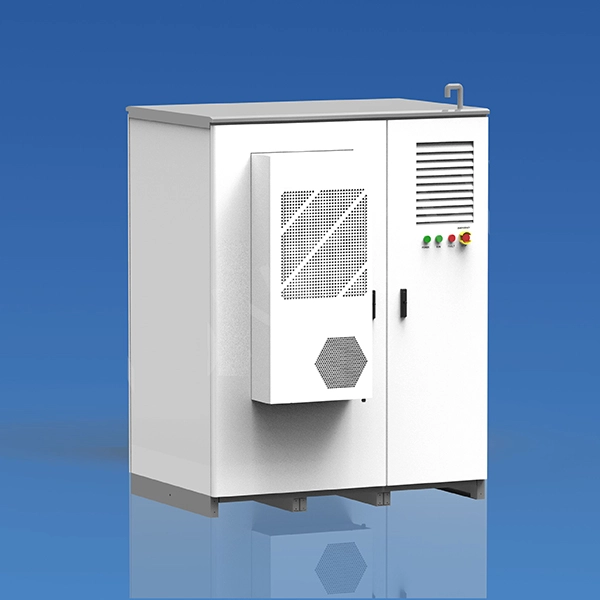
Consider a mid-sized solar installer who ordered 50 outdoor battery cabinets from an unverified supplier. Six months in, three units experienced insulation breakdowns during monsoon rains, leading to ground faults and a site shutdown. The root cause? The enclosures met IP54 but were marketed as IP65. Such gaps between declared specifications and actual performance are common when safety standards aren't strictly enforced. To mitigate this, procurement must demand third-party test reports, not just self-declarations. Raydafon Technology Group addresses this by integrating a mandatory pre-shipment verification protocol that mirrors on-site conditions. Below is a comparison of minimal compliance versus enhanced safety provisions that our partners insist upon:
| Risk Factor | Basic Compliance (Often Inadequate) | Raydafon-Recommended Provision |
|---|---|---|
| Ingress Protection | IP54 lab test | IP65 + cyclic humidity & dust chamber verification |
| Thermal Runaway Containment | Single-cell test (UL 9540A cell level) | Module & unit-level propagation test with video documentation |
| Electrical Clearances | Design based on generic IEC 60664 | Actual measurement under worst-case voltage & pollution degree 3 |
| Functional Safety | None or self-assessed | SIL 2 per IEC 61508, certified by TÜV |
When evaluating quotes, look beyond the headline certifications. Ask suppliers for the test lab’s name, report numbers, and the exact standard clauses covered. A partner like Raydafon provides these artifacts proactively, turning a potential sourcing nightmare into a documented, defensible procurement decision.
3. How Raydafon Technology Group Ensures Compliance and Safety
Raydafon Technology Group Co., Limited doesn’t just check boxes; we engineer safety into every phase. Our in-house test facilities simulate extreme temperature cycling, salt spray corrosion, and seismic vibration according to IEC 60068. For lithium-based systems, we conduct forced internal short-circuit tests per IEC 62619:2022, and use optical fiber sensors for real-time thermal mapping during cycling. Every outdoor cabinet meets the requirements of IEC 62271-202 for high-voltage prefabricated substations, ensuring arc-fault containment. And because our clients often ask, What safety standards apply to new energy equipments? we have developed a concise compliance matrix that maps UL, IEC, and GB/T standards to actual component selections. Moreover, we offer a digital twin of the safety performance—a parametric model that predicts thermal behavior and fault currents before manufacturing. This drastically reduces certification surprises, saving our procurement partners weeks of back-and-forth.
Another dimension where Raydafon stands out is in functional safety. Many energy storage cabinets rely solely on passive protection. We integrate redundant protection layers: primary BMS (Battery Management System) with SIL 2 algorithms, mechanical contactors with feedback loops, and an independent safety PLC that initiates shutdown independent of the main controller. This architecture aligns with IEC 61508 and the emerging ISO 26262 adaptations for stationary energy systems. For buyers, this means less worry about single-point failures and a faster path to site commissioning.
4. Real-World Application: Safety in Energy Storage Systems
Let’s look at a concrete project in Southeast Asia where a 50 MW solar farm integrated 200 MWh of storage. The procurement team had two critical questions, both rooted in the same query: What safety standards apply to new energy equipments? The first specific issue was outdoor fire safety. The containers used air-cooled designs, but ambient temperatures regularly exceeded 40°C. Raydafon conducted a full thermal runaway propagation analysis per UL 9540A, demonstrating that even under worst-case cell failure, adjacent racks remained below critical temperature thresholds. The second issue was grid interconnection compliance, requiring adherence to IEEE 1547-2018 and local utility regulations. We provided comprehensive type-test certificates, including anti-islanding and low-voltage ride-through. The result: the installation passed local regulatory checks with zero non-conformities, and the investor's insurance premiums were reduced by 12% due to the proven safety margin.
Such outcomes underscore why purchasing managers shift their focus from price per kilowatt-hour to total cost of ownership, where safety documentation and engineering substantiation play a pivotal role. The question “What safety standards apply to new energy equipments?” transforms from an abstract compliance concern into a measurable, risk-mitigating asset when answered with evidence.
5. Frequently Asked Questions on Safety Standards
Q1: What safety standards apply to New Energy Equipments when operating in coastal or high-corrosion environments?
For coastal installations, IEC 60068-2-52 (cyclic salt mist) and ISO 12944 (corrosion protection of steel structures) are essential. Equipment should have a minimum C5-M corrosion class rating. Raydafon Technology Group Co., Limited applies marine-grade coatings and uses 316L stainless steel for critical fasteners, ensuring a 20-year design life. We also validate via 1000-hour salt spray tests, with reports accessible to customers before shipment.
Q2: What safety standards apply to new energy equipments for grid-forming applications?
Grid-forming inverters must comply with IEC 62891 for overall efficiency and safety, plus the newer IEEE 1547.1-2020 for interconnection conformance testing. Additionally, functional safety per IEC 61508 SIL 2 is strongly recommended to handle voltage and frequency ride-through. Raydafon's systems are pre-configured with grid-forming capabilities, and we provide harmonic injection tests and short-circuit current contribution analysis to satisfy stringent utility requirements.
The landscape of new energy safety is complex and evolving, but your sourcing decisions don't have to be a gamble. Whether you're comparing datasheets or visiting factories, always ground your evaluation in the concrete standards that matter for your application. We invite you to explore how Raydafon Technology Group Co., Limited bridges the gap between regulatory expectations and operational excellence. Visit our official website at https://www.raydafonequipments.com or reach out directly to our compliance experts at [email protected] — we'll be happy to share detailed test reports and help you de-risk your next procurement cycle.
Zhang L., 2023, "Review of lithium-ion battery safety standards for energy storage", Renewable and Sustainable Energy Reviews, Vol. 178.
Müller K., 2022, "Functional safety assessment of photovoltaic inverters according to IEC 62109", IEEE Transactions on Power Electronics, Vol. 37(8).
Chen Y., 2021, "Thermal runaway propagation mitigation in outdoor ESS containers", Journal of Energy Storage, Vol. 44.
Anderson P., 2023, "Comparative analysis of UL 9540A and IEC 62619 for large-scale battery systems", Fire Safety Journal, Vol. 136.
Kim S., 2022, "Corrosion protection strategies for coastal energy infrastructure", Progress in Organic Coatings, Vol. 172.
Patel R., 2021, "Grid-forming inverter safety: testing protocols and field experience", IEEE Access, Vol. 9.
Lopez M., 2020, "Harmonization of international standards for new energy equipment", Energy Policy, Vol. 146.
Tanaka H., 2024, "Aging effects on insulation coordination in battery containers", IEEE Transactions on Dielectrics and Electrical Insulation, Vol. 31(1).
Johnson T., 2022, "Smart BMS with functional safety extensions for Li-ion storage", Sensors, Vol. 22(15).
Garcia A., 2023, "Seismic qualification of prefabricated energy substations", Earthquake Engineering & Structural Dynamics, Vol. 52(6).