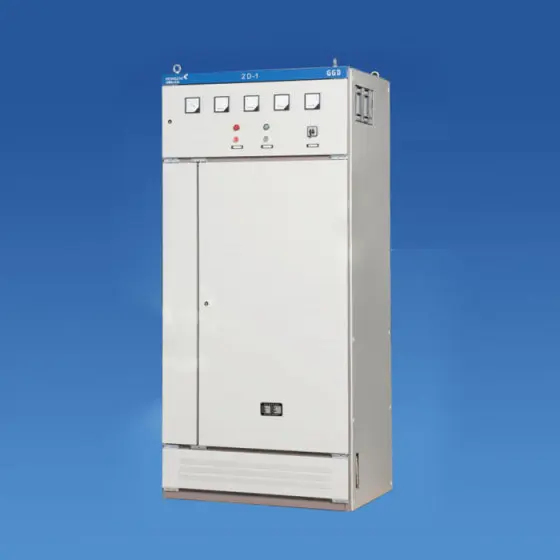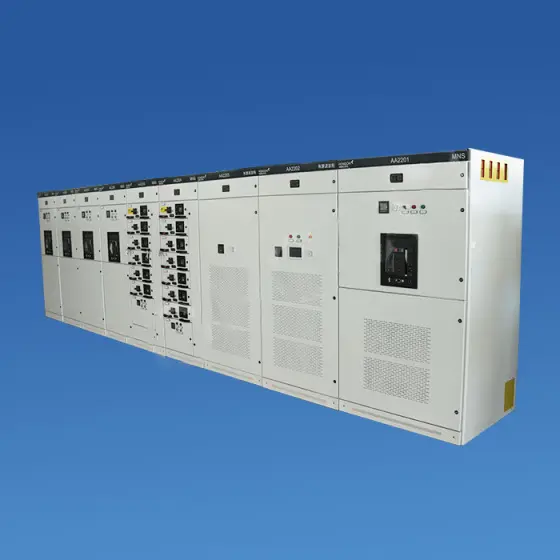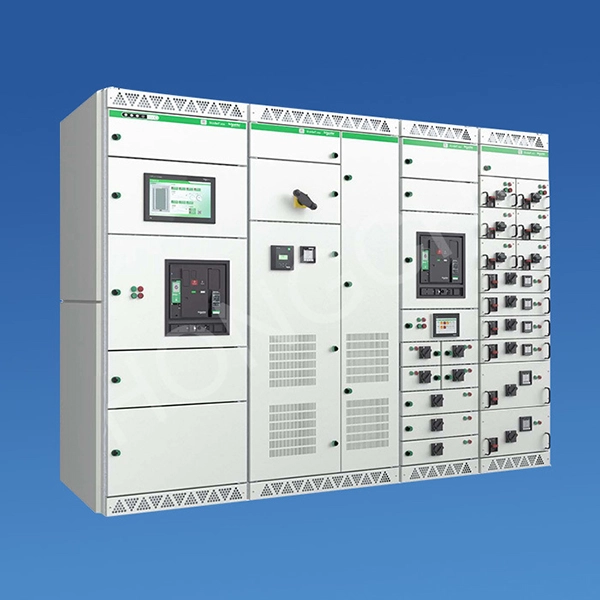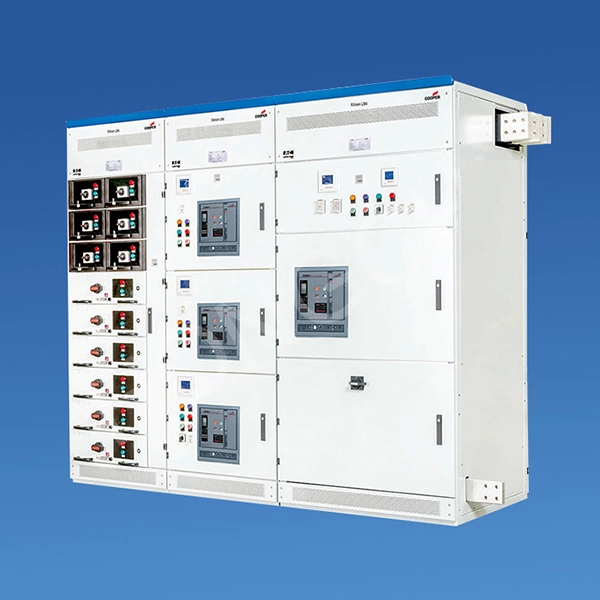
Air-Cooling ESS Cabinets China Factory Direct Manufacturer
Air-Cooling ESS Cabinets: Reliable Thermal Management for Energy Storage
When evaluating energy storage infrastructure, Air-Cooling ESS Cabinets represent a proven and practical solution for maintaining optimal battery temperatures without the complexity of liquid cooling loops. Raydafon Group has developed a comprehensive range of air-cooling energy storage system cabinets that combine forced-air thermal management with robust mechanical design, addressing the needs of commercial, industrial, and utility-scale applications. These cabinets are engineered to deliver consistent performance, ease of maintenance, and lower total cost of ownership over the system lifecycle.
How Air-Cooling ESS Cabinets Work
Air-cooling ESS cabinets use high-efficiency fans and precision-designed ducting to move filtered ambient air across battery modules, power conversion components, and control electronics. The airflow path is carefully calculated to minimize hot spots and maintain a uniform temperature distribution across all cells. In contrast to liquid cooling, air cooling eliminates pumps, coolant reservoirs, heat exchangers, and leak detection systems, which reduces the number of potential failure points. Raydafon Group integrates temperature sensors at multiple points inside the cabinet, allowing the battery management system to adjust fan speed in real time. This active thermal management strategy keeps the battery pack within the manufacturer's recommended operating window, maximizing cycle life and system safety.
Key Features of Raydafon Air-Cooling ESS Cabinets
- High-efficiency forced-air thermal management: Variable-speed EC fans deliver precise airflow control, reducing parasitic energy consumption while maintaining stable internal temperatures.
- Modular battery rack design: Racks can be installed or replaced individually, simplifying commissioning and field service. Each rack includes its own battery management module for granular monitoring.
- Integrated fire suppression: The cabinet includes optional aerosol or gas-based fire suppression, smoke detection, and thermal runaway early warning sensors.
- Smart HVAC integration: For outdoor installations, built-in air conditioning units or heat exchangers can be added to handle extreme ambient conditions without switching to liquid cooling.
- IP54 or IP55 enclosure options: Durable steel construction with corrosion-resistant coating protects internal components from dust, rain, and light salt spray.
- Flexible DC voltage configuration: Supports common battery voltage ranges from 600 V to 1500 V DC, making the cabinet compatible with a wide range of PCS inverters.
- Remote monitoring and diagnostics: Built-in Ethernet, RS485, and CAN interfaces allow integration with site SCADA or cloud-based energy management platforms.
- Low maintenance demand: Air filters are accessible from the front or rear, and fans are hot-swappable in most Raydafon models, reducing downtime during scheduled maintenance.
Technical Specifications
The following table lists the standard specifications for Raydafon Group’s air-cooling ESS cabinet lineup. Custom configurations are available for specific project requirements such as higher capacity, special voltage ranges, or marine-grade enclosures.
| Parameter | Model RF-AirCube 215 | Model RF-AirCube 372 | Model RF-AirCube 500 |
|---|---|---|---|
| Rated Energy Capacity | 215 kWh | 372 kWh | 500 kWh |
| Usable Energy Capacity | 193.5 kWh | 334.8 kWh | 450 kWh |
| Battery Chemistry | LFP (LiFePO4) | LFP (LiFePO4) | LFP (LiFePO4) |
| Rated DC Voltage | 768 V | 1024 V | 1280 V |
| Operating Voltage Range | 672 V – 864 V | 896 V – 1152 V | 1120 V – 1440 V |
| Max Charge/Discharge Rate | 0.5C continuous | 0.5C continuous | 0.5C continuous |
| Cooling Method | Forced air with variable-speed fans | Forced air with variable-speed fans | Forced air with variable-speed fans |
| Cooling Airflow | 2 x 1,200 m³/h | 3 x 1,200 m³/h | 4 x 1,200 m³/h |
| Noise Level at 1 m | ≤ 65 dB(A) | ≤ 68 dB(A) | ≤ 70 dB(A) |
| Ingress Protection | IP54 standard, IP55 optional | IP54 standard, IP55 optional | IP54 standard, IP55 optional |
| Operating Temperature | -20°C to +50°C | -20°C to +50°C | -20°C to +50°C |
| Storage Temperature | -30°C to +55°C | -30°C to +55°C | -30°C to +55°C |
| Dimensions (W x D x H) | 1,300 x 1,100 x 2,200 mm | 1,600 x 1,200 x 2,300 mm | 2,000 x 1,400 x 2,400 mm |
| Weight (with batteries) | 2,850 kg | 4,150 kg | 5,600 kg |
| Communication Interfaces | CAN, RS485, Ethernet | CAN, RS485, Ethernet | CAN, RS485, Ethernet |
| Altitude Rating | ≤ 2,000 m (derating above) | ≤ 2,000 m (derating above) | ≤ 2,000 m (derating above) |
| Design Life | ≥ 15 years | ≥ 15 years | ≥ 15 years |
| Cycle Life | ≥ 6,000 cycles at 0.5C, 80% DoD | ≥ 6,000 cycles at 0.5C, 80% DoD | ≥ 6,000 cycles at 0.5C, 80% DoD |
| Compliance | UL 9540, IEC 62619, UN38.3, CE | UL 9540, IEC 62619, UN38.3, CE | UL 9540, IEC 62619, UN38.3, CE |
Thermal Performance and Airflow Design
Raydafon Group pays special attention to airflow uniformity inside air-cooling ESS cabinets. Computational fluid dynamics simulations are used during the design phase to identify and eliminate recirculation zones, dead spots, and pressure imbalances. The result is a cabinet in which every battery module receives a similar volume of cooling air, typically within a ±2°C deviation across the entire pack. This uniformity is critical because temperature differences of even a few degrees can lead to accelerated capacity fade in warmer cells and underutilization of cooler cells.
The table below provides additional thermal performance data for the RF-AirCube series under different operating scenarios.
| Thermal Performance Metric | RF-AirCube 215 | RF-AirCube 372 | RF-AirCube 500 |
|---|---|---|---|
| Maximum Cooling Capacity | 6.5 kW | 9.0 kW | 12.0 kW |
| Temperature Uniformity | ≤ 3°C across cells | ≤ 3°C across cells | ≤ 3°C across cells |
| Heat Dissipation Method | Air-to-air heat exchange with optional AC | Air-to-air heat exchange with optional AC | Air-to-air heat exchange with optional AC |
| Fan Power Consumption | 0.4 – 0.8 kW (speed dependent) | 0.6 – 1.2 kW (speed dependent) | 0.8 – 1.6 kW (speed dependent) |
| Filter Efficiency | G4 standard, F7 optional | G4 standard, F7 optional | G4 standard, F7 optional |
| Fresh Air Intake Requirement | 0 – 100% adjustable | 0 – 100% adjustable | 0 – 100% adjustable |
| Condensation Control | Drainage tray and anti-condensation heater | Drainage tray and anti-condensation heater | Drainage tray and anti-condensation heater |
Applications of Air-Cooling ESS Cabinets
Air-cooling ESS cabinets from Raydafon Group are suitable for a wide range of stationary storage applications. Their relatively simple thermal architecture makes them especially attractive where serviceability and component availability are high priorities.
- Commercial and industrial peak shaving: Reduce demand charges and shift energy consumption to off-peak periods in factories, warehouses, office buildings, and shopping centers.
- Renewable energy integration: Store surplus solar or wind energy for later use, improving self-consumption and reducing curtailment.
- Microgrid support: Provide grid-forming or grid-following capability in islanded or weak-grid environments, often combined with diesel generators to reduce fuel consumption.
- EV charging infrastructure: Buffer high-power charging loads to avoid overloading the local grid and reduce expensive peak power demand from utilities.
- Backup power for critical loads: Deliver short-term or extended backup power for data centers, hospitals, telecom sites, and municipal facilities.
- Utility-scale ancillary services: Participate in frequency regulation, spinning reserve, and other grid services where fast response and reliable availability are required.
Why Choose Air Cooling Over Liquid Cooling
Liquid cooling offers higher thermal density, but it also introduces significant complexity and cost. Air-cooling ESS cabinets eliminate the need for coolant, pumps, valves, and leak containment systems. This translates into lower upfront equipment costs, reduced maintenance burden, and a lower risk of catastrophic failure caused by coolant leaks. For most stationary storage applications operating at 0.5C or below, forced-air cooling is perfectly adequate to keep LFP cells within their optimal temperature range. Raydafon Group recommends air-cooling ESS cabinets for projects that prioritize simplicity, long-term reliability, and ease of field service, especially in locations where specialized liquid cooling technicians are not readily available.
Raydafon Group Quality and Certification
Raydafon Group manufactures air-cooling ESS cabinets in ISO 9001-certified facilities, with full traceability of battery cells and critical components. Each cabinet undergoes a rigorous factory acceptance test before shipment, including insulation resistance testing, high-voltage interlock verification, thermal performance validation, and communication protocol checks. The cabinets are certified to international safety and performance standards, including UL 9540, IEC 62619, and UN38.3 for battery transport safety. Regional certifications such as CE, UKCA, and CEC are available depending on the destination market.
Installation and Commissioning Support
Raydafon Group provides complete installation documentation, including foundation drawings, lifting plans, electrical schematics, and commissioning checklists. Air-cooling ESS cabinets are delivered as pre-assembled units, which means on-site installation time is significantly shorter compared to containerized systems that require extensive civil works. A standard RF-AirCube can be placed on a level concrete pad, connected to the power conversion system and grid supply, and commissioned within a few days by a two-person team. Remote commissioning support is available via video call, and on-site supervision can be arranged for larger projects.
Maintenance Requirements
Routine maintenance for air-cooling ESS cabinets is straightforward. The primary tasks include inspecting and replacing air filters, verifying fan operation, checking electrical connections for proper torque, and cleaning dust from air inlets and outlets. The battery management system continuously logs temperature, voltage, and current data, allowing remote health diagnostics without opening the cabinet. Raydafon Group recommends a visual inspection every three months and a complete preventive maintenance session every twelve months. Thanks to the front-access design, all serviceable components can be reached without moving the cabinet or disconnecting adjacent units.
Frequently Asked Questions About Air-Cooling ESS Cabinets
What is the difference between air-cooling and liquid-cooling ESS cabinets?
Air-cooling ESS cabinets use fans and ducted ambient air to remove heat from battery cells and electronics, while liquid-cooling systems circulate a coolant mixture through cold plates or heat exchangers. Air cooling is simpler, cheaper to install, and easier to maintain, with fewer components that can fail. Liquid cooling offers higher heat removal capacity and better temperature uniformity in very high-density or high-C-rate applications. For most commercial and industrial storage systems operating at 0.5C or below, air cooling provides sufficient thermal management with lower total cost of ownership.
Can Air-Cooling ESS Cabinets operate outdoors in hot or cold climates?
Yes. Raydafon Group air-cooling ESS cabinets are designed for outdoor installation in ambient temperatures from -20°C to +50°C. For hotter climates, optional integrated air conditioning units or enhanced airflow packages can be added. For colder climates, the cabinets include anti-condensation heaters and battery preheating functions controlled by the battery management system. The enclosure is rated IP54 as standard, with IP55 available for dusty or coastal locations. Altitude derating applies above 2,000 meters, so projects at high elevation should confirm the available cooling capacity with Raydafon engineers.
How often do air filters need to be replaced?
Filter replacement intervals depend on the installation environment. In clean urban or indoor settings, filters typically last six to twelve months. In dusty or industrial environments, replacement may be required every three months. The battery management system monitors fan speed and static pressure, and it can issue a maintenance reminder when filter blockage reduces airflow. Accessing the filters takes only a few minutes from the front of the cabinet, and replacement filters are low-cost consumable items. Raydafon Group recommends keeping a spare set of filters on site to minimize downtime.
What safety features are included in Raydafon Air-Cooling ESS Cabinets?
Every Raydafon air-cooling ESS cabinet includes multiple layers of protection. The battery management system monitors cell voltage, temperature, and current at the module and pack level. If abnormal conditions are detected, the system can derate charging or discharging, disconnect the DC contactors, and trigger an alarm. Physical safety features include a high-voltage interlock loop, emergency stop button, insulation monitoring, smoke and heat detectors, and an optional aerosol fire suppression system. The steel enclosure is designed to contain a thermal runaway event and direct hot gases safely away from personnel and adjacent equipment.
Can multiple Air-Cooling ESS Cabinets be connected in parallel?
Yes, multiple cabinets can be paralleled on the DC bus or connected individually to separate inverter inputs. Raydafon Group provides detailed guidance on DC busbar sizing, cable routing, and protection coordination for parallel installations. The battery management system supports master-slave communication, allowing up to 16 cabinets to be controlled as a single virtual battery. This scalability makes the air-cooling ESS cabinet suitable for projects ranging from a single 215 kWh unit to multi-megawatt-hour systems.
What is the typical lead time for Raydafon Air-Cooling ESS Cabinets?
Standard models are typically available from stock or with a lead time of 8 to 12 weeks, depending on order volume and selected options. Custom configurations, such as special voltage ranges, enhanced ingress protection, or specific communication protocols, may extend the lead time to 14 to 20 weeks. Raydafon Group maintains regional distribution centers in North America, Europe, and Asia to reduce shipping time and support local service requirements. Project-specific certifications can also be arranged, but they should be discussed early in the planning process to avoid delays.
Do Air-Cooling ESS Cabinets require special foundations or site preparation?
Air-cooling ESS cabinets require a flat, level surface capable of supporting the cabinet weight plus any seismic or wind loads specified in local building codes. A reinforced concrete pad with a minimum thickness of 150 mm is sufficient for most standard installations. The cabinet includes lifting lugs and forklift pockets for safe handling. No special ventilation or plumbing connections are required, but adequate clearance around the cabinet must be maintained for airflow and service access. Raydafon Group provides complete civil and electrical site preparation drawings for every project.
How does Raydafon Group support warranty and after-sales service?
Raydafon Group offers a standard 10-year warranty on air-cooling ESS cabinets, including battery capacity retention guarantees. Extended warranties of up to 15 years are available for qualifying projects. After-sales support includes 24/7 remote monitoring assistance, on-site repair or replacement of defective components, and firmware updates throughout the warranty period. Spare parts are stocked in regional warehouses to minimize lead times. A dedicated service engineer is assigned to each project for the first year of operation to ensure smooth performance and address any operational questions.
- View as
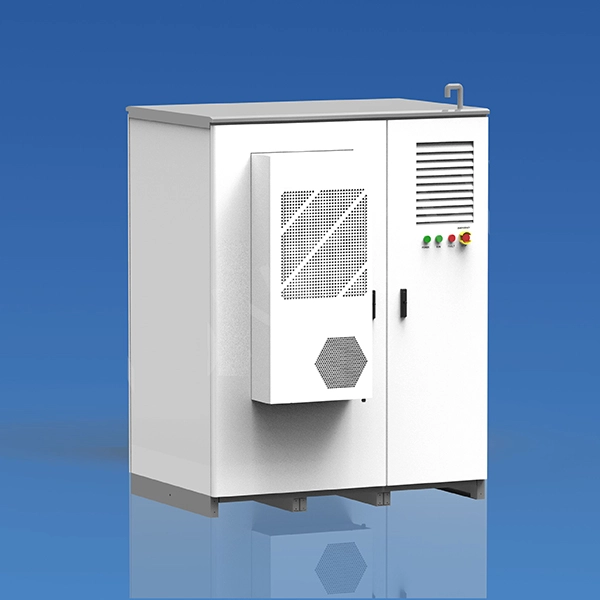
AI Air-Cooling Outdoor ESS Cabinet
Raydafon Group's AI Air-Cooling Outdoor ESS Cabinet delivers intelligent thermal management for energy storage, maximizing safety and efficiency even in extreme conditions. Perfect for solar farms and industrial backup, its smart cooling extends battery life while reducing energy loss.