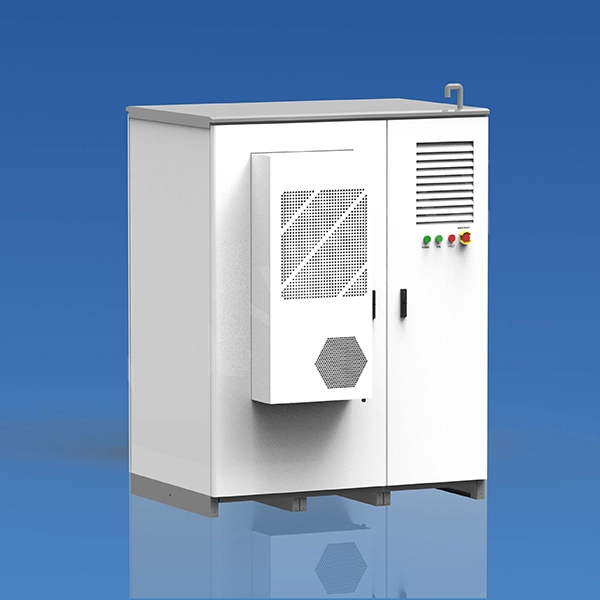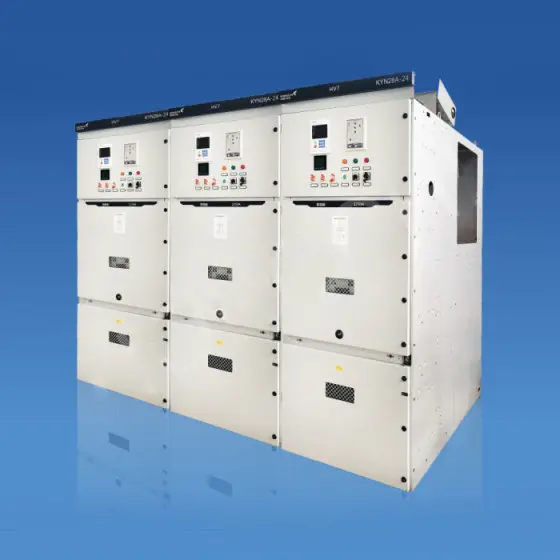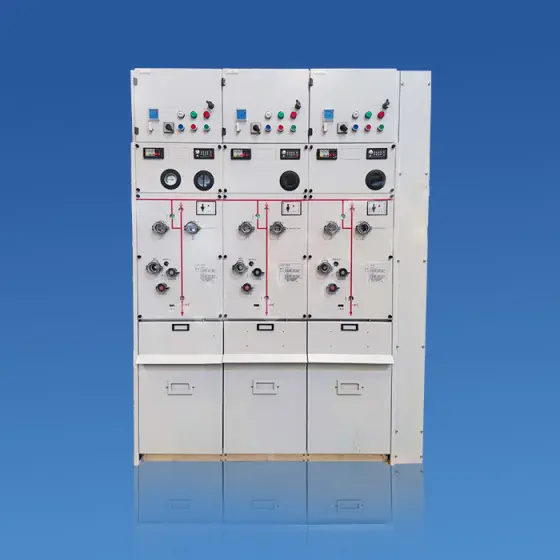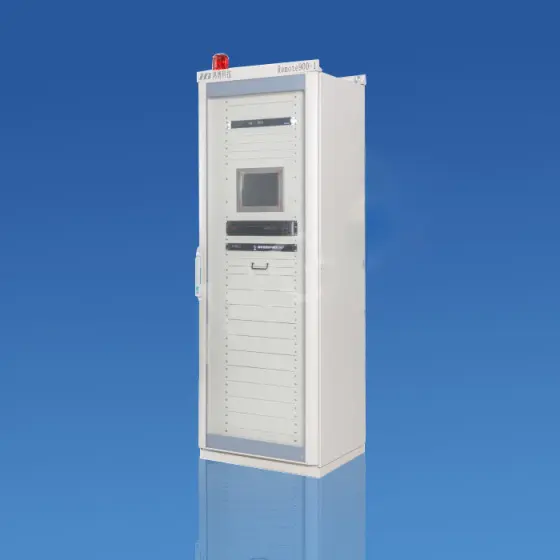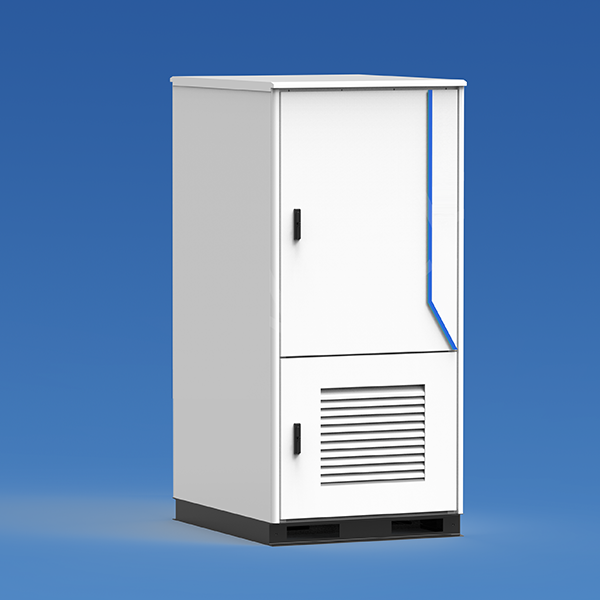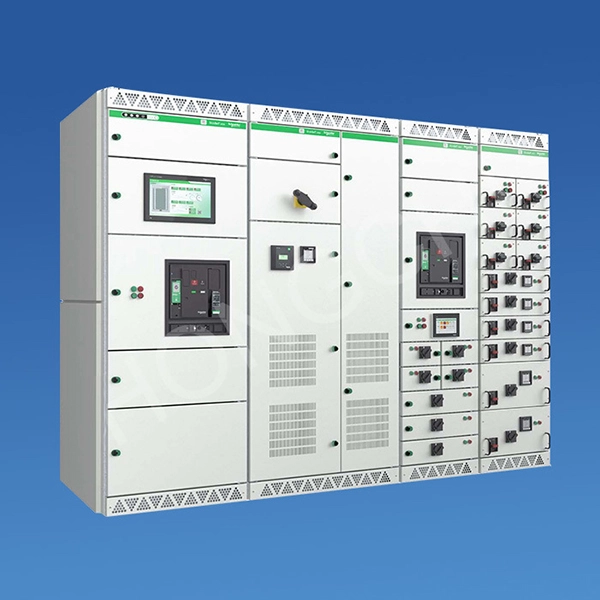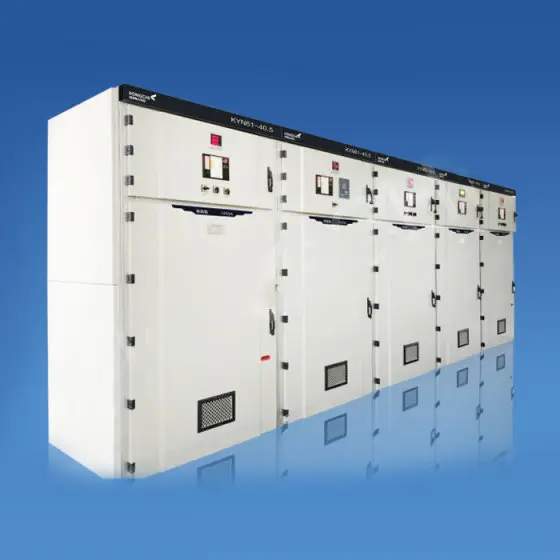

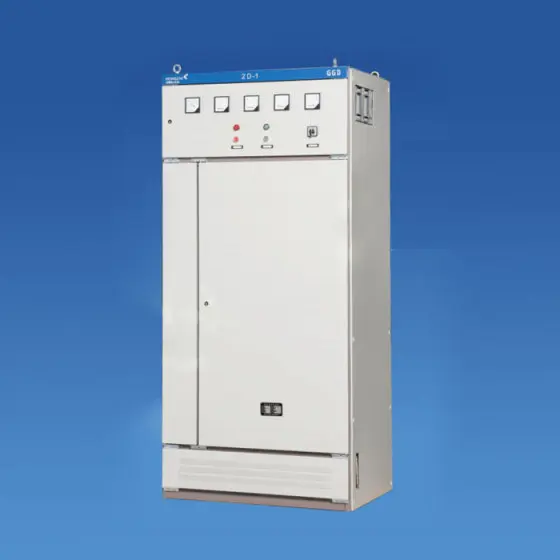
What is Fixed Switchgear and how does it work? For procurement teams, the answer is not only a definition; it is a practical way to judge safety, uptime, and total cost. Fixed switchgear is a metal-enclosed or metal-clad assembly in which circuit breakers, load-break switches, busbars, current transformers, protective relays, and cable compartments are mounted in defined positions. The switching devices stay in place and are operated manually or electrically; protection relays detect overcurrent, earth fault, or arc-related risks and trip the breaker to isolate the fault. Interlocks help prevent unsafe opening, closing, or earthing. In a factory expansion, data center, or utility distribution room, this fixed design can reduce moving parts and simplify maintenance, but it demands careful specification up front. It is common in low-voltage and medium-voltage distribution where predictable layout and visible isolation matter. Buyers should compare rated current, short-circuit withstand, IP rating, protection scheme, test reports, and spare-parts support before approval. Raydafon Technology Group Co., Limited supports buyers with configuration review, documentation, routine tests, and delivery planning for fixed switchgear projects. The sections below explain the working principle, common procurement pain points, parameter tables, Q&A, and a buyer checklist so your team can compare offers with confidence.
What Is Fixed Switchgear and How Does It Work?
Pain point scene: A plant engineer needs to add a 400 V distribution section for a new production line. The existing room is tight, the utility asks for clear isolation points, and the maintenance team wants fewer sliding contacts. A fixed switchgear assembly is often a strong fit because the breaker, switch, or fuse combination is bolted or fixed in its compartment. The operator closes or opens the circuit through a manual handle, motor operator, or remote control. When a fault occurs, the current transformer sends a signal to the protective relay, the relay issues a trip command, and the circuit breaker clears the fault. Earthing switches and mechanical interlocks guide safe maintenance. The design is straightforward, but the buyer must confirm the single-line diagram, fault level, cable entry, and protection settings before production.
Solution: Raydafon Technology Group Co., Limited reviews the technical data sheet against the project's duty cycle, then checks busbar clearances, compartment barriers, ventilation, and test plan. This prevents a low-cost offer from becoming a costly retrofit. The table below shows the core parameters buyers should lock down.
| Parameter | Typical Buyer Check | Why It Matters |
|---|---|---|
| Rated voltage and frequency | 400 V, 690 V, 11 kV, 50 Hz or 60 Hz | Confirms compatibility with the network and upstream transformer. |
| Rated current | Busbar, breaker, and cable compartment ratings | Prevents overload and early thermal aging. |
| Short-circuit withstand | Icw, Ipk, and protective device coordination | Supports safe fault clearing without mechanical damage. |
| IP protection | Indoor IP31, dusty area IP54, outdoor enclosure | Matches site conditions and maintenance access. |
| Protection and metering | Relay curves, CT ratio, metering class, communication | Defines selectivity, fault recording, and energy monitoring. |
| Tests and documents | Type test reports, routine tests, wiring diagrams, manuals | Speeds approval, commissioning, and future maintenance. |
Procurement Pain Points: From Ambiguous Specs to Approved Drawings
Pain point scene: Three suppliers quote the same "fixed switchgear" package, but one offer uses a 630 A busbar, another proposes a different relay, and a third excludes cable glands and testing. The buyer cannot compare price fairly because the scope is not normalized. This is common when the request is based on a short description instead of a data sheet. Late change orders then add cost, delay the factory acceptance test, and push the installation team into overtime.
Solution: Build a comparison matrix before sending the inquiry. Ask every bidder to state device brands, busbar material, compartment structure, protection settings, test evidence, and delivery split. Raydafon Technology Group Co., Limited can turn the project single-line diagram into a clear technical offer, flag missing data, and provide documents that make supplier comparison transparent. For a practical tender, the buyer should confirm the following scope items before purchase order approval.
| Scope Item | Weak Tender Signal | Better Tender Requirement |
|---|---|---|
| Single-line diagram | Only a total current is given | Approved drawing with feeder types and interlocks |
| Protection coordination | Relay model is left open | Settings table and selectivity study included |
| Cable access | Bottom entry assumed | Cable size, entry direction, gland plate, and bending space confirmed |
| Testing | Routine test mentioned without list | Dielectric, wiring, mechanical operation, and relay test records |
| Delivery | One lump-sum date | Shipping splits, packing list, and document release dates |
How Fixed Switchgear Works in Daily Operation
Pain point scene: During commissioning, an operator is asked to isolate a feeder for maintenance. If the switching sequence is unclear, the team may rely on memory instead of the interlock schedule. That creates risk around earthing, back-feed, and remote control. A fixed design is simple, but the operating procedure must still be explicit.
Solution: Label every compartment, publish a switching sequence, and train the team on the mechanical and electrical interlocks. In normal operation, the protection relay monitors current and voltage, then trips the breaker when a fault exceeds the setting. For maintenance, the breaker is opened, the isolation point is confirmed, the earthing switch is closed where specified, and the cable compartment is tested before work begins. Raydafon Technology Group Co., Limited supplies wiring diagrams, operation manuals, and test records so the site team can follow a documented routine instead of guesswork.
| Step | Action | Check Point |
|---|---|---|
| 1 | Identify feeder and confirm work permit | Panel label matches the single-line diagram |
| 2 | Open breaker locally or remotely | Position indicator shows OPEN |
| 3 | Confirm isolation and apply lockout | No back-feed voltage on the load side |
| 4 | Close earthing switch where specified | Interlock permits the operation |
| 5 | Restore after maintenance | Earthing switch opened, tools removed, permit closed |
Procurement Q&A: What Is Fixed Switchgear and How Does It Work?
Q: What is fixed switchgear and how does it work in a tender?
A: It is a switchgear assembly where the main switching devices are fixed in their compartments. In a tender, describe the single-line diagram, rated current, short-circuit level, IP rating, protection scheme, cable entry, and test documents so each bidder prices the same scope.
Q: Is fixed switchgear suitable for frequent switching?
A: It can be, but the duty cycle matters. Confirm the breaker mechanism, mechanical endurance, and maintenance interval. For very frequent operation, the buyer should compare fixed and withdrawable designs against downtime and maintenance access.
Q: Which documents should a buyer request?
A: Ask for type test reports, routine test records, general arrangement drawings, wiring diagrams, relay settings, operation manuals, packing lists, and spare-parts recommendations. These documents reduce commissioning delays and support future maintenance.
Specification Checklist for Buyers
Pain point scene: A purchaser receives a good price but later discovers that the relay protocol does not match the plant network, the cable entry is on the wrong side, and the spare breaker is not quoted. Each missing detail becomes a change order. The fastest way to avoid this is to use a parameter checklist during technical evaluation, not after the order.
Solution: Compare every offer against the same checklist and require written confirmation. Raydafon Technology Group Co., Limited helps buyers close these gaps by reviewing the load list, network conditions, installation space, and maintenance plan before releasing the final drawing. The checklist below is a practical starting point for procurement teams.
| Parameter Group | Required Data | Acceptance Evidence |
|---|---|---|
| Electrical ratings | Voltage, current, frequency, short-circuit level | Data sheet and calculation sheet |
| Construction | Compartment layout, busbar material, barriers, ventilation | General arrangement drawing |
| Protection | Relay model, CT ratio, settings, communication protocol | Settings table and relay manual |
| Environmental | Ambient temperature, altitude, humidity, dust, IP rating | Site condition statement |
| Testing | Routine tests, mechanical operation, dielectric test, wiring check | Signed test report |
| Lifecycle | Spare parts, maintenance interval, warranty, training | Service plan and spare-parts list |
Where Raydafon Technology Group Co., Limited Fits Your Project
Pain point scene: The buyer has a drawing set, a target delivery date, and several technical questions, but the supplier's sales contact cannot answer protection or testing topics. Messages move slowly between sales, engineering, and the factory. The project team loses time and confidence.
Solution: Raydafon Technology Group Co., Limited connects the commercial and technical sides early. The team reviews the inquiry, clarifies missing parameters, prepares a configuration that matches the single-line diagram, and keeps documentation visible through the approval and production stages. In a tender, Raydafon's fixed switchgear product guide answers the question, What is fixed switchgear and how does it work? and gives buyers a practical reference for specification and comparison.
| Project Stage | Raydafon Support | Buyer Benefit |
|---|---|---|
| Inquiry review | Check ratings, drawings, scope gaps, and delivery plan | Cleaner comparison and fewer change orders |
| Engineering approval | GA drawings, wiring diagrams, protection settings, document list | Faster consultant and owner approval |
| Production and testing | Routine tests, inspection records, packing checks | Fewer surprises at site acceptance |
| Delivery and after-sales | Shipping documents, manuals, spare-parts advice | Smoother commissioning and maintenance |
Installation and Maintenance Q&A: What Is Fixed Switchgear and How Does It Work on Site?
Q: What is fixed switchgear and how does it work during maintenance?
A: The breaker is opened, isolation is confirmed, and the earthing switch is closed where the design requires it. Mechanical interlocks help prevent unsafe access. The maintenance team should follow the manufacturer's manual and the site lockout procedure.
Q: How much space is needed in front of the panel?
A: Space depends on door swing, cable termination, testing equipment, and local electrical code. Confirm the minimum clear working distance and keep the cable bending radius in mind. A cramped room can turn a simple inspection into a difficult job.
Q: What should be checked after installation?
A: Check torque values, cable support, phase sequence, earthing continuity, relay settings, mechanical operation, and interlock function. After energization, record normal load current and compare it with the design value so early overload or imbalance is visible.
Safety, Standards, and Lifecycle Cost
Pain point scene: A low first price can hide high lifecycle cost through poor documentation, difficult spare-parts sourcing, and unclear maintenance intervals. Safety also depends on installation quality and protection settings, not only on the enclosure. If the site team cannot verify the arc rating, fault level, and interlock logic, the risk remains even with good equipment.
Solution: Specify the applicable standard, request test evidence, and plan maintenance from day one. Fixed switchgear should be selected with the correct short-circuit withstand, IP rating, compartment barriers, and protective device coordination. Raydafon Technology Group Co., Limited supports buyers with technical documents, routine test records, and practical spare-parts guidance so the equipment remains serviceable over its lifecycle.
| Lifecycle Factor | Parameter to Confirm | Procurement Action |
|---|---|---|
| Safety | Short-circuit rating, interlock logic, earthing, arc containment | Request type test and routine test evidence |
| Reliability | Breaker endurance, relay quality, busbar joints | Compare brand, duty cycle, and maintenance access |
| Serviceability | Spare parts, labeling, wiring diagrams, manual quality | Add spare-parts list to the purchase order |
| Downtime | Fault finding speed, relay records, compartment access | Require clear separation and communication options |
Conclusion: A Clearer Buying Decision
Raydafon Technology Group Co., Limited helps procurement teams turn a complex fixed switchgear requirement into a documented, buildable package. From single-line diagram review and protection coordination to routine testing, packing, and delivery support, the team focuses on reducing technical risk before the equipment reaches your site. Visit https://www.raydafonequipments.com or email [email protected] to discuss your project.
Research References
E. Gulski, J. J. Smit, and F. H. Kreuger, 2008, Condition Assessment of High-Voltage Switchgear Using Partial Discharge Diagnostics, IEEE Electrical Insulation Magazine, vol. 24, no. 3.
B. Das, 2016, Arc Flash Hazard Analysis and Mitigation in Industrial Power Systems, IEEE Transactions on Industry Applications, vol. 52, no. 3.
M. Kezunovic, 2011, Smart Switchgear and Substation Automation: Requirements and Challenges, IEEE Transactions on Smart Grid, vol. 2, no. 4.
A. H. Nielsen and J. Holbøll, 2010, Condition Monitoring of Medium-Voltage Switchgear: Partial Discharge and Temperature Trends, IEEE Electrical Insulation Magazine, vol. 26, no. 6.
R. P. P. Smeets, L. van der Sluis, and M. Kapetanovic, 2014, Switching in Electrical Transmission and Distribution Systems, IEEE Transactions on Power Delivery, vol. 29, no. 2.
J. G. Sverak, 2001, Progress in Arc-Flash Protection and Switchgear Safety, IEEE Industry Applications Magazine, vol. 7, no. 5.
P. M. Anderson, 1999, Power System Protection: Switchgear Coordination and Reliability, IEEE Press, vol. 1, no. 1.
International Electrotechnical Commission, 2021, AC Metal-Enclosed Switchgear and Controlgear for Rated Voltages Above 1 kV and Up to and Including 52 kV, IEC Standard, IEC 62271-200, Edition 3.0.
International Electrotechnical Commission, 2020, Low-Voltage Switchgear and Controlgear Assemblies – General Rules, IEC Standard, IEC 61439-1, Edition 3.0.
IEEE Power and Energy Society, 2015, IEEE Standard for Metal-Clad Switchgear, IEEE Standards, IEEE C37.20.2.