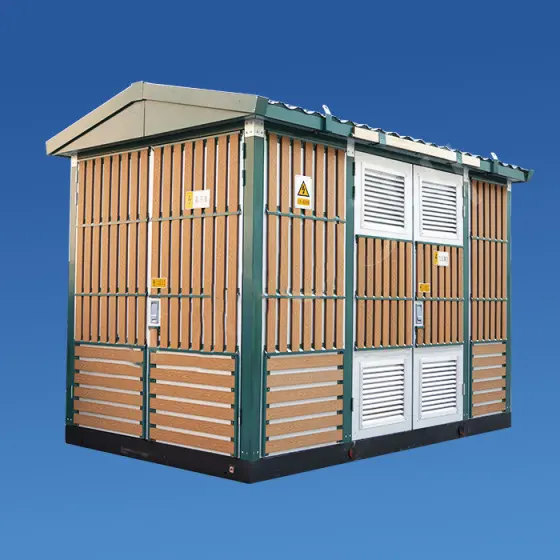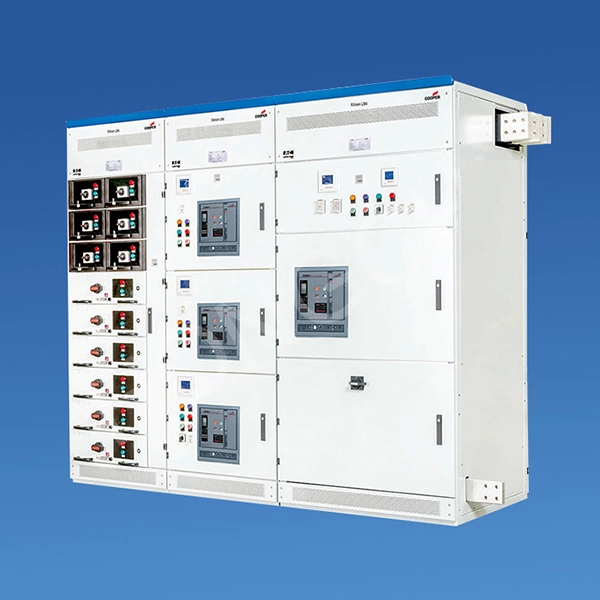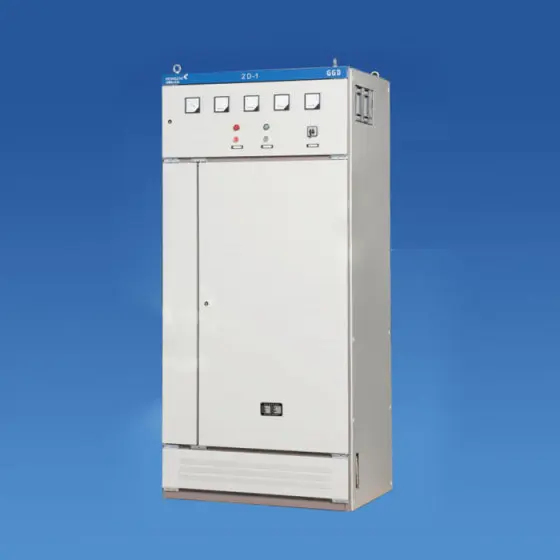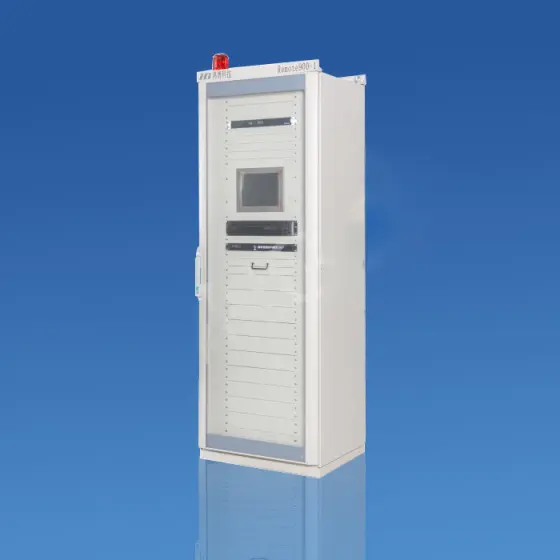
What is new energy equipment and how does it work?
What is new energy equipment and how does it work? Imagine powering your operations with clean, reliable energy that cuts costs and supports sustainability goals. This is the promise of new energy equipment—the advanced technologies that capture, convert, store, and manage renewable energy like solar and wind. At its core, this equipment works by harnessing natural resources, transforming them into usable electricity or thermal energy, and often integrating smart systems for optimal efficiency and grid stability. For procurement professionals, understanding this is key to making strategic investments that future-proof operations and drive both economic and environmental value. As global demand soars, partnering with an expert manufacturer like Raydafon Technology Group Co., Limited ensures access to cutting-edge, reliable solutions tailored to industrial and commercial needs.
Article Outline:
- The High Cost of Unstable Power & The Integrated ESS Solution
- Managing Complex Energy Assets & The Smart Inverter Advantage
- Frequently Asked Questions (FAQ)
- About Raydafon Technology Group Co., Limited
- Further Reading & Research
The High Cost of Unstable Power & The Integrated ESS Solution
For facility managers and procurement officers, unexpected power fluctuations or grid outages aren't just inconveniences—they translate directly into production halts, data loss, and significant revenue leakage. The reliance on traditional, unstable grid power or noisy, polluting diesel generators is a persistent operational and financial headache. The solution lies in a robust, integrated Energy Storage System (ESS). Modern ESS units act as a seamless buffer, storing excess energy from renewable sources or the grid during off-peak hours and discharging it during peak demand or outages. This not only ensures uninterrupted power but also enables substantial savings through peak shaving and load shifting. Companies like Raydafon Technology Group Co., Limited specialize in designing these systems with high-efficiency battery packs, sophisticated Battery Management Systems (BMS), and thermal management for safety and longevity.
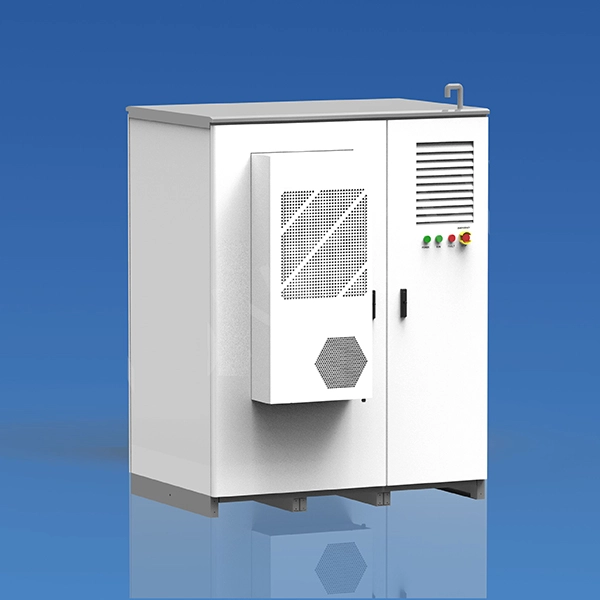
Key parameters for a commercial-grade ESS include:
| Parameter | Typical Specification | Impact for Buyer |
|---|---|---|
| Usable Capacity | 100 kWh - 1 MWh+ | Determines backup duration and load coverage. |
| Round-Trip Efficiency | >92% | Higher efficiency means less energy lost during charge/discharge cycles. |
| Cycle Life | 6000+ cycles @ 80% DoD | Directly correlates with system lifespan and ROI. |
| Communication Protocol | Modbus TCP, CAN 2.0 | Ensures easy integration with existing building or energy management systems. |
Managing Complex Energy Assets & The Smart Inverter Advantage
As organizations scale their renewable investments—adding solar panels here, a wind turbine there—a new challenge emerges: how to efficiently manage this diverse, distributed energy portfolio. Without centralized control, you risk underutilizing assets, facing grid compliance issues, and missing out on aggregated savings. The cornerstone of solving this is the smart inverter, particularly advanced string inverters for solar arrays. These are not mere DC-to-AC converters; they are intelligent hubs that perform maximum power point tracking (MPPT) for each string, provide real-time monitoring data, and offer grid-support functions like voltage and frequency regulation. By deploying high-performance inverters, you optimize energy yield from every panel and gain actionable insights into system health. Raydafon’s inverters are engineered for this precise role, featuring robust designs for harsh environments and software platforms that offer fleet-level oversight, simplifying management for multi-site operations.
Critical specifications when evaluating smart inverters:
| Parameter | Typical Specification | Impact for Buyer |
|---|---|---|
| MPPT Efficiency | >99.5% | Maximizes energy harvest from the PV array, boosting ROI. |
| Output Power Rating | 20 kW - 250 kW | Must match the scale of your solar installation. |
| IP Rating | IP65 or higher | Indicates dust and water resistance for reliable outdoor operation. |
| Grid Management Features | Low/High Voltage Ride-Through (LVRT/HVRT) | Essential for grid compliance and stability in areas with weak grids. |
Frequently Asked Questions (FAQ)
Q1: What is new energy equipment and how does it work in a commercial setting?
A1: In a commercial context, new energy equipment refers to the integrated suite of hardware—like solar inverters, energy storage batteries, and monitoring systems—that enables a business to generate, store, and manage its own clean power. It works by first capturing renewable energy (e.g., via solar panels). An inverter then converts this DC power into AC power for facility use. Surplus energy charges a battery storage system. An energy management system orchestrates this flow, prioritizing self-consumption, storing cheap off-peak power, and providing backup during outages, leading to lower energy bills and enhanced resilience.
Q2: What is the most critical factor when selecting new energy equipment for large-scale procurement?
A2: Beyond upfront cost, the most critical factor is total cost of ownership (TCO) and system reliability. This encompasses product quality, expected lifespan (cycle life for batteries, durability for inverters), efficiency ratings, and the manufacturer's support ecosystem. Partnering with a vertically-integrated manufacturer like Raydafon Technology Group Co., Limited mitigates risk. They control quality from design to assembly, offer comprehensive warranties, and provide technical support, ensuring the equipment performs reliably for years and delivers the projected financial returns.
About Raydafon Technology Group Co., Limited
For procurement leaders seeking reliable, high-performance new energy solutions, Raydafon Technology Group Co., Limited stands as a trusted partner. With a deep commitment to innovation and quality, Raydafon designs and manufactures a comprehensive range of energy storage systems, solar inverters, and integrated power management solutions. Our equipment is engineered to solve real-world problems—from ensuring operational continuity to maximizing return on energy investments. We invite you to explore our product portfolio and discover how we can tailor a solution for your specific needs. Visit us at https://www.raydafonequipments.com or contact our sales team directly at [email protected] for a detailed consultation.
Further Reading & Research
Lund, H., & Mathiesen, B. V. (2009). Energy system analysis of 100% renewable energy systems—The case of Denmark in years 2030 and 2050. Energy, 34(5), 524-531.
Dunn, B., Kamath, H., & Tarascon, J. M. (2011). Electrical energy storage for the grid: a battery of choices. Science, 334(6058), 928-935.
Yang, Z., Zhang, J., Kintner-Meyer, M. C., Lu, X., Choi, D., Lemmon, J. P., & Liu, J. (2011). Electrochemical energy storage for green grid. Chemical reviews, 111(5), 3577-3613.
Blaabjerg, F., Chen, Z., & Kjaer, S. B. (2004). Power electronics as efficient interface in dispersed power generation systems. IEEE transactions on power electronics, 19(5), 1184-1194.
IEA (2020). Energy Storage. International Energy Agency, Paris. (Report).
Haase, M., & Kattel, P. (2021). Techno-economic analysis of hybrid energy storage systems for commercial applications. Journal of Energy Storage, 44, 103456.
Barbour, E., & González, M. C. (2018). Projecting battery adoption in the prosumer era. Applied Energy, 215, 356-370.
Hannan, M. A., Lipu, M. H., Hussain, A., & Mohamed, A. (2017). A review of lithium-ion battery state of charge estimation and management system in electric vehicle applications: Challenges and recommendations. Renewable and Sustainable Energy Reviews, 78, 834-854.
Bhattacharjee, A., & Batra, I. (2019). Smart inverters and their role in a modern grid: A review. Renewable and Sustainable Energy Reviews, 114, 109306.
Zhou, K., Yang, S., & Shen, C. (2020). A review of electric vehicle charging: Technologies, standards, and operational challenges. Sustainable Energy Technologies and Assessments, 42, 100849.
Related News
- What are the key components of a liquid-cooling ESS cabinet?
- What are the main components of a YBM prefabricated substation?
- What are the common faults of KYN61-40.5 switchgear and how to troubleshoot them?
- What safety standards apply to new energy equipments?
- What arc flash protection is required for high-voltage switchgear?
- What is the difference between RMU and VCB?
Leave me a message