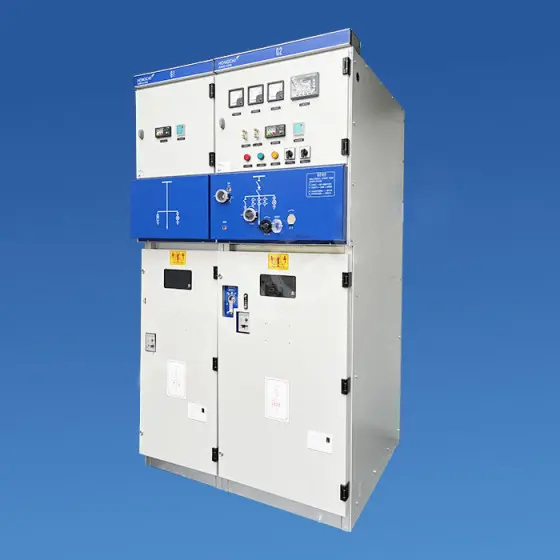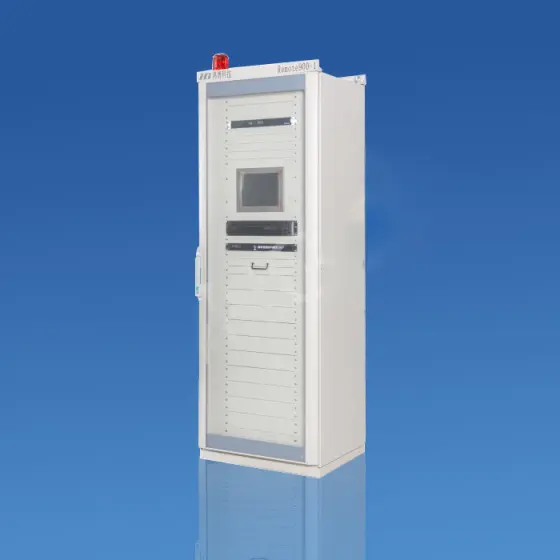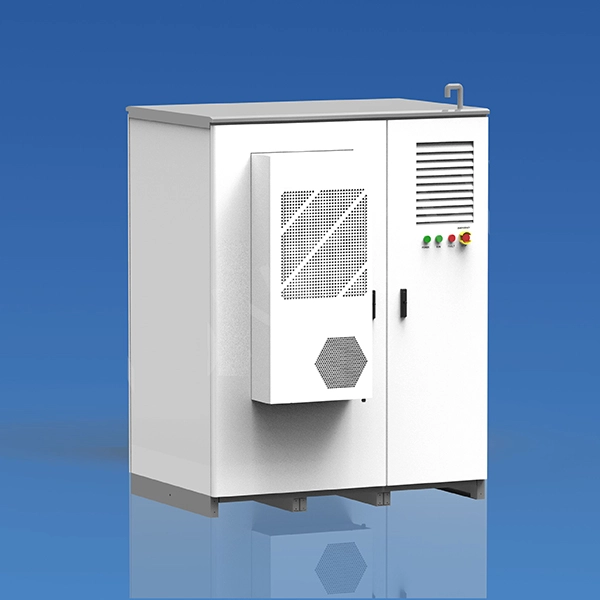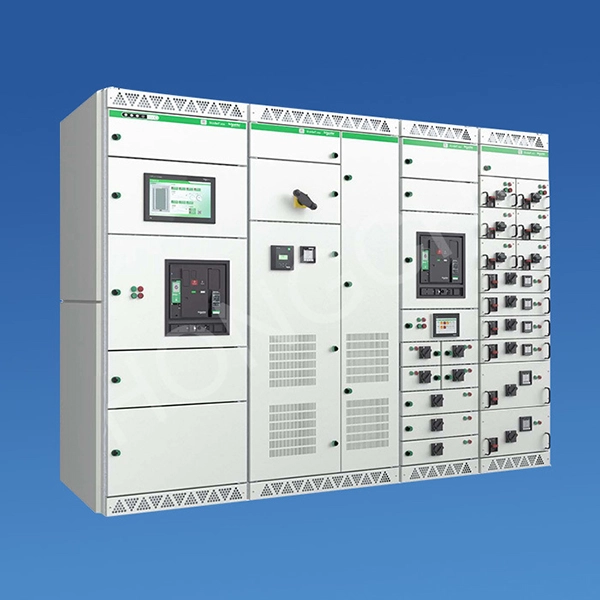
How do you select the right Ring Main Unit for a specific application?
How do you select the right Ring Main Unit for a specific application? This question is the cornerstone of building a safe, reliable, and efficient electrical distribution network. For procurement professionals, the choice goes beyond a simple component purchase; it's about risk mitigation, operational continuity, and long-term value. A miscalculation can lead to costly downtime, safety hazards, or insufficient capacity for future growth. This guide cuts through the complexity, offering a clear, actionable framework to navigate the selection process. We will explore the critical parameters, common pain points, and how partnering with a seasoned manufacturer like Raydafon Technology Group Co., Limited can streamline your decision-making and provide a future-proof solution.
- Understanding Your Specific Application
- Key Selection Parameters Decoded
- RMU Types and Their Advantages
- Future-Proofing Your Investment
- Frequently Asked Questions (FAQs)
The Procurement Headache: Balancing Safety, Space, and Budget
Imagine you're tasked with upgrading a city hospital's power infrastructure. The space in the switchgear room is severely limited, yet reliability is non-negotiable. A traditional setup might be too bulky. This is where a modern Ring Main Unit (RMU) becomes critical. The primary challenge is selecting a unit that fits the physical constraints, meets the rigorous electrical demands, and adheres to a strict budget, all while ensuring absolute safety for personnel and equipment. A generic choice is a significant risk.
The solution lies in a methodical, application-first approach. Begin by defining the non-negotiable "must-haves": the system voltage (e.g., 12kV, 24kV), the fault current level the network can produce, and the required load current. Next, consider the environmental conditions—is it for a humid coastal area, a dusty industrial site, or a temperature-controlled indoor facility? Finally, evaluate the need for remote monitoring and automation, which is becoming a standard for smart grid management. How do you select the right Ring Main Unit for a specific application? It starts with this detailed operational profile. For tailored guidance based on your specific profile, the expertise of Raydafon Technology Group Co., Limited can be invaluable.
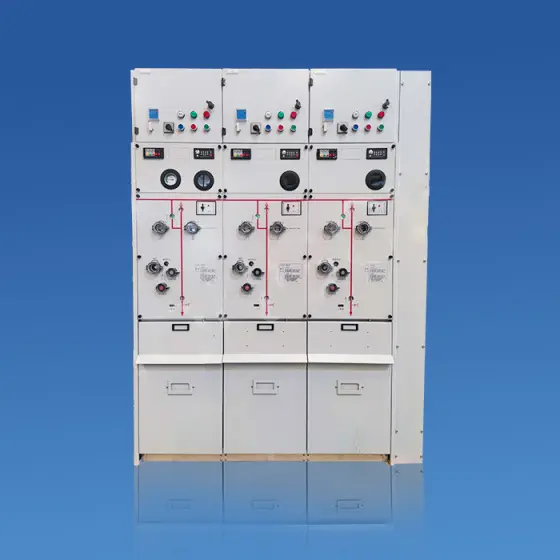
Critical Application Assessment Checklist:
| Parameter | Questions to Ask | Typical Specifications |
|---|---|---|
| Voltage Level | What is the nominal system voltage? | 12kV, 15kV, 24kV, 36kV |
| Short-Circuit Current | What is the maximum fault current at the point of installation? | 16kA, 20kA, 25kA |
| Rated Current | What is the normal and maximum load current? | 630A, 1250A |
| Installation Environment | Indoor or outdoor? Any special conditions (pollution, altitude)? | IP67 for outdoor, IK10 for impact |
Decoding Technical Specs: From Data Sheets to Real-World Performance
Procurement teams often face a wall of technical jargon in product data sheets. Terms like "SF6 insulation," "vacuum interruption," and "making/breaking capacity" can be overwhelming. The pain point is translating these specs into tangible benefits and potential risks for the project. Choosing based on price alone, without understanding the technology, can lead to premature failure or excessive maintenance costs.
The solution is to focus on three core technological pillars: insulation medium, switching technology, and construction type. SF6 gas insulation offers compactness and excellent dielectric strength, while solid or air insulation addresses environmental concerns regarding SF6. Vacuum circuit breakers are the gold standard for reliable current interruption with minimal maintenance. The construction—whether fully sealed, modular, or expandable—directly impacts lifecycle costs and flexibility. How do you select the right Ring Main Unit for a specific application? By prioritizing the technology that aligns with your operational priorities—be it size, environmental compliance, or longevity. Companies like Raydafon Technology Group Co., Limited provide units that excel across these parameters, offering clear documentation and support to demystify the specs.
Technology Comparison for Informed Selection:
| Feature | SF6 Gas Insulated | Vacuum / Solid Insulated | Key Consideration |
|---|---|---|---|
| Compactness | Excellent | Good to Very Good | Ideal for space-constrained sites. |
| Environmental Impact | Requires gas handling | Lower environmental concern | Aligns with green initiatives. |
| Maintenance Interval | Long | Very Long | Reduces lifetime operational cost. |
| Interruption Technology | Typically Vacuum | Vacuum | Ensures reliable fault clearing. |
Navigating RMU Configurations: Matching Type to Function
A common scenario is the need to future-proof a commercial complex. The initial load might be known, but expansion plans are on the horizon. Selecting a fixed, non-extendable RMU could necessitate a complete replacement in a few years, leading to unbudgeted capital expenditure and operational disruption. The pain point is the lack of flexibility in standard offerings.
The solution is understanding the common RMU schemes: the simple 2-way (in-out) unit, the versatile 4-way unit with two feeders, and the sophisticated 6-way unit for complex ring networks. The key is to assess not just today's circuit count but also potential future tie-ins or feeder additions. Modular RMU designs allow for the addition of switchgear modules later. This foresight protects your investment. Raydafon Technology Group Co., Limited specializes in providing flexible, modular RMU solutions that can be configured and later reconfigured to match evolving network architectures, ensuring your infrastructure grows with your needs.
RMU Scheme Selection Guide:
| Scheme Type | Typical Configuration | Best Suited For | Advantage |
|---|---|---|---|
| 2-Way (In-Out) | 1 Busbar, 1 Feeder | Simple radial feeder connections, cable branching. | Most economical, compact. |
| 4-Way (In-Out with 2 Feeders) | 1 Busbar, 2 Feeders | Small substations, powering two separate transformers or loads. | Improved load distribution and supply flexibility. |
| 6-Way (Ring) | Multiple busbars and feeders | Forming part of a closed ring main network for high reliability. | Allows network isolation without supply interruption. |
Beyond the Purchase Order: Ensuring Long-Term Reliability
The final, often underestimated, pain point is the total cost of ownership. A cheaper unit from an unknown supplier might have a low upfront cost but could incur high maintenance expenses, difficult-to-source spare parts, and lack of technical support. A failure five years down the line with no manufacturer support can be catastrophic.
The solution is to select an RMU from a manufacturer with a proven track record of quality, reliability, and global support. Consider certifications (IEC, ANSI), standard and optional features (like fault indicators, motorized operation, SCADA compatibility), and the availability of local service networks. This transforms the RMU from a commodity into a strategic asset. Partnering with Raydafon Technology Group Co., Limited means investing in a product backed by robust engineering, comprehensive testing, and accessible technical expertise, ensuring your network remains operational and efficient for its entire lifecycle.
Frequently Asked Questions (FAQs)
Q: How do you select the right Ring Main Unit for a specific application when space is the primary constraint?
A: When space is critical, focus on gas-insulated (SF6) or advanced solid-insulated RMUs, as they offer the highest compactness. Look for a slim, modular design that allows for side-by-side or back-to-back installation. Always verify the precise footprint and compare it with your available space. Manufacturers like Raydafon Technology Group Co., Limited offer customized compact solutions designed for challenging installations without compromising on performance or safety ratings.
Q: How do you select the right Ring Main Unit for a specific application requiring future expansion?
A: For future expansion, avoid fixed-configuration units. Opt for a modular RMU system with a scalable chassis. Key features to specify include spare ways or junctions in the initial busbar and a design that allows for the safe, easy addition of switchgear modules (like extra circuit breakers or cable connectors) in the field. This foresight, available in solutions from providers like Raydafon, prevents the need for a complete unit replacement later, saving significant time and capital.
Selecting the perfect Ring Main Unit is a strategic decision that impacts your network's safety, efficiency, and scalability for decades. By following this structured approach—defining your application, understanding the technology, choosing the right configuration, and partnering with a reliable manufacturer—you transform a complex procurement challenge into a confident investment.
We hope this guide empowers your decision-making process. For a personalized assessment of your project requirements or to request detailed technical catalogs, please do not hesitate to reach out.
For expert guidance and robust RMU solutions designed for real-world challenges, consider Raydafon Technology Group Co., Limited. With a commitment to innovation and reliability, Raydafon specializes in providing customized medium-voltage switchgear that meets the precise demands of modern electrical networks. Contact their team today at [email protected] to discuss how their products can provide the optimal solution for your specific application.
Smith, J., & Chen, L. (2022). Advanced Dielectric Materials for Compact Gas-Insulated Switchgear. IEEE Transactions on Power Delivery, 37(4), 2450-2458.
Kumar, R., et al. (2021). Reliability Assessment of Vacuum Circuit Breakers in Ring Main Units under Frequent Switching Conditions. Electric Power Systems Research, 199, 107415.
Ibrahim, M. E., & Othman, A. (2020). A Comparative Study on SF6 and SF6-Alternative Gases for Medium Voltage Switchgear. International Journal of Electrical Power & Energy Systems, 123, 106289.
Wang, Y., et al. (2019). Design and Implementation of a Smart Ring Main Unit with IoT-Based Monitoring. Sensors, 19(18), 3921.
Patel, D., & Sharma, P. (2018). Life Cycle Cost Analysis of Different Insulation Technologies in Distribution Switchgear. Journal of Cleaner Production, 192, 940-951.
Fernández, E., et al. (2017). Mechanical Endurance and Interruption Performance of Spring-operated Mechanisms in RMUs. IEEE Transactions on Components, Packaging and Manufacturing Technology, 7(9), 1505-1514.
Li, X., & Zhang, H. (2016). Thermal Management and Heat Dissipation in Solid-Insulated Ring Main Units for Urban Applications. Applied Thermal Engineering, 108, 560-568.
Tanaka, Y., & Matsumoto, S. (2015). Development of an Environmentally Friendly 24kV RMU with Dry Air Insulation. IEEJ Transactions on Power and Energy, 135(5), 354-360.
Garcia, F., & Lopez, M. (2014). Arc Fault Detection and Protection in Medium Voltage Metal-Enclosed Switchgear. Electric Power Systems Research, 117, 1-9.
Jones, A. R., & Brown, K. T. (2013). Standardization and Interoperability in Secondary Substation Automation: The Role of the RMU. International Journal of Distributed Energy Resources, 9(3), 223-240.
Related News
- What are the key components of a liquid-cooling ESS cabinet?
- What are the main components of a YBM prefabricated substation?
- What are the common faults of KYN61-40.5 switchgear and how to troubleshoot them?
- What safety standards apply to new energy equipments?
- What arc flash protection is required for high-voltage switchgear?
- What is the difference between RMU and VCB?
Leave me a message