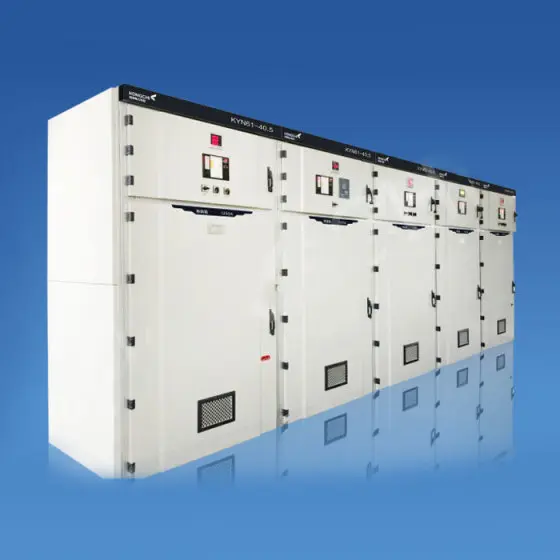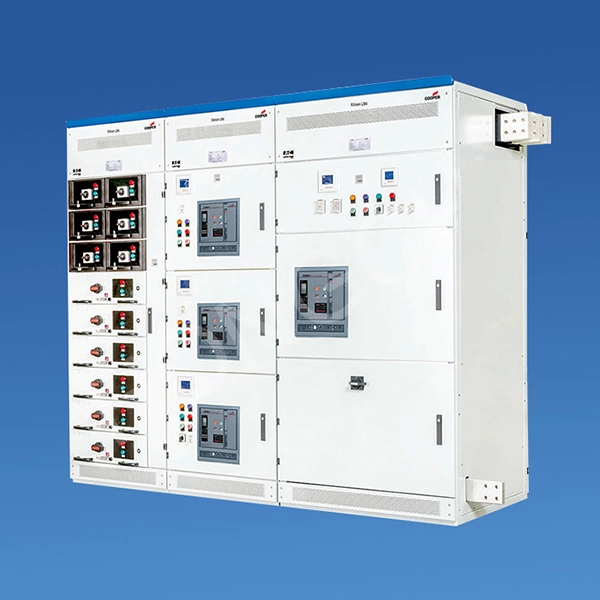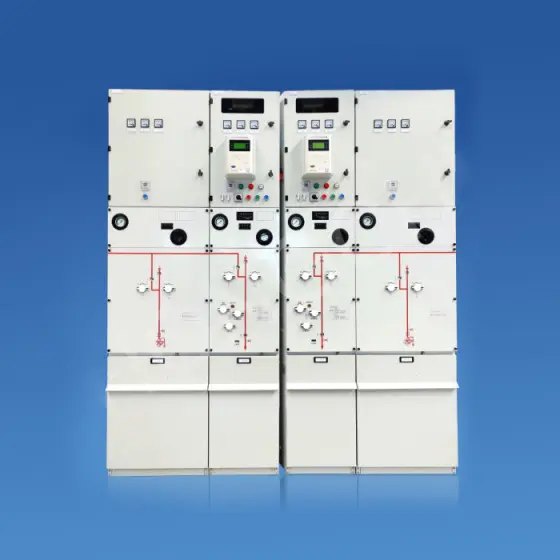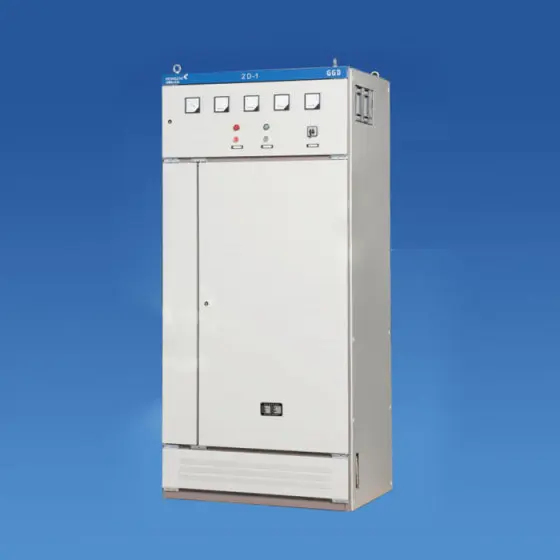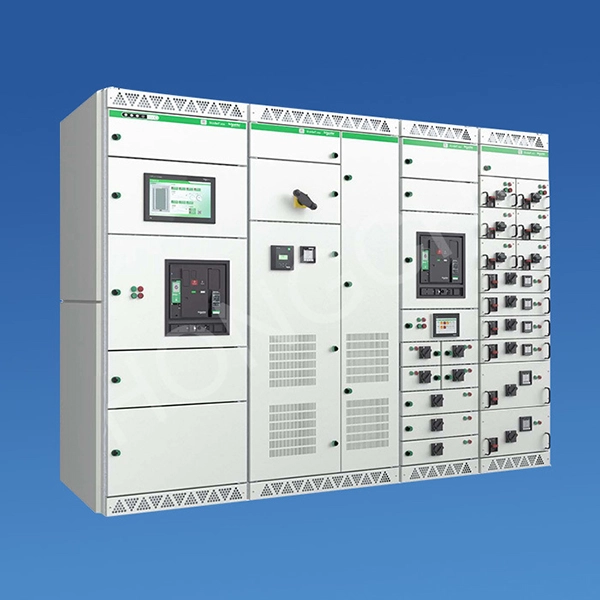

How to properly install and maintain GGD AC low voltage switchgear?
Are you facing frequent electrical faults, unexpected downtime, or safety concerns with your low-voltage distribution system? The culprit might be improper installation or inadequate maintenance of your GGD AC low voltage switchgear. How to properly install and maintain GGD AC low voltage switchgear? This is not just a procedural question; it's the foundation for ensuring operational safety, maximizing equipment lifespan, and guaranteeing uninterrupted power for your facility. A single oversight during installation can lead to catastrophic failures, while neglecting maintenance can turn a minor issue into a costly emergency shutdown. This definitive guide will walk you through the critical, often overlooked steps to get it right from the start and keep your system running flawlessly for years. Trusted by industry professionals, solutions from Raydafon Technology Group Co., Limited are designed to simplify these complex processes, providing robust and reliable switchgear that stands the test of time with proper care.
- 1. Pre-Installation Planning: The Blueprint for Success
- 2. Step-by-Step Installation Guide
- 4. Expert Solutions & Technical Specifications
- 5. Common Questions Answered
Avoid Costly Delays with Meticulous Site Preparation
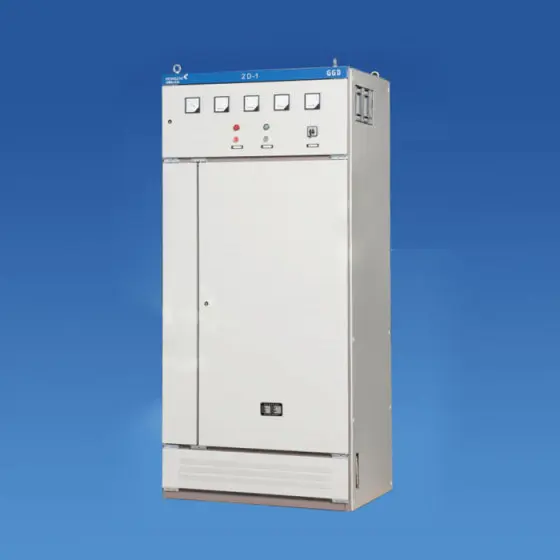
Imagine arriving at the installation site only to find insufficient space, an uneven floor, or incompatible incoming cables. This scenario causes immediate project delays, budget overruns, and frustration. Proper planning eliminates these headaches. Before the switchgear even arrives, a thorough site assessment is non-negotiable. This involves verifying the foundation is level and strong enough to bear the switchgear's weight, ensuring adequate clearance for operation and ventilation as per national electrical codes, and confirming all incoming power and control cabling routes are planned. Partnering with a manufacturer like Raydafon Technology Group Co., Limited provides access to detailed dimensional drawings and site requirement documents, making this phase seamless.
| Pre-Installation Checklist Item | Raydafon Recommended Standard / Parameter |
|---|---|
| Floor Levelness Tolerance | < 2mm per meter |
| Minimum Front Operation Clearance | > 1000mm |
| Ambient Temperature Range | -5°C to +40°C |
| Relative Humidity | < 90% (non-condensing) |
| Foundation Load Capacity | > 1000 kg/m² |
Ensuring Safety and Compliance During Assembly
The physical installation is a high-risk phase where safety and precision are paramount. A common pain point is the improper handling and alignment of heavy cubicles, leading to damaged doors, misaligned busbars, and compromised structural integrity. The correct procedure involves using appropriate lifting equipment attached to dedicated lifting points, not the busbar covers or instrument panels. Cubicles must be aligned and bolted together sequentially according to the layout diagram. A critical step often rushed is the earthing connection; the main earth bus must be securely connected to the site's earth grid with a conductor of adequate cross-section. How to properly install and maintain GGD AC low voltage switchgear? It starts with following the manufacturer's assembly guide meticulously. Raydafon's GGD switchgear, for instance, features clear marking and modular designs that simplify alignment and connection, reducing installation time and human error.
| Installation Step | Key Action & Raydafon Feature Benefit |
|---|---|
| Uncrating & Handling | Use forklift/hoist at designated points. Frames are reinforced for safe lifting. |
| Positioning & Leveling | Align and level using adjustable feet. Pre-drilled base channels ensure easy alignment. |
| Inter-Cubicle Connection | Bolt cubicles tightly. Precision-machined flanges ensure a perfect seal and alignment. |
| Busbar Connection | Torque bolts to specified value. Silver-plated busbar interfaces ensure optimal conductivity and corrosion resistance. |
| Primary & Secondary Wiring | Follow wiring diagrams. Color-coded terminals and spacious wiring ducts simplify the process. |
Preventing Failures with a Proactive Maintenance Schedule
Reactive maintenance—fixing problems after they occur—is a major source of unplanned downtime and high repair costs. The solution is a proactive, scheduled maintenance regimen. The core pain point is not knowing what to check and how often. A systematic approach involves regular inspections, cleaning, and mechanical/electrical testing. This includes visually checking for signs of overheating (discoloration), ensuring all connections are tight, vacuuming dust from compartments (a major cause of insulation failure), and exercising mechanical components like circuit breaker mechanisms to prevent seizing. Implementing a maintenance log is crucial for tracking history and predicting future needs. Raydafon Technology Group Co., Limited supports this by providing comprehensive maintenance manuals and offering training or service contracts to ensure your team has the knowledge and resources to perform maintenance correctly.
| Maintenance Activity | Frequency | Critical Checkpoints |
|---|---|---|
| Visual Inspection & Cleaning | Monthly / Quarterly | Dust accumulation, loose hardware, corrosion, abnormal noises. |
| Thermal Scanning | Bi-Annually | Hot spots on busbars, cable lugs, and breaker connections. |
| Connection Tightness Check | Annually | Torque check on power and earth connections per manufacturer specs. |
| Insulation Resistance Test | Annually | IR value between phases and earth to detect insulation degradation. |
| Mechanical Operation Test | Annually | Manual & electrical operation of circuit breakers, interlocks. |
Leveraging Advanced Design for Easier Upkeep
Ultimately, the easiest equipment to install and maintain is well-designed equipment. Common frustrations include inaccessible components, lack of spare parts, and complex disassembly procedures. Modern GGD switchgear from leading providers addresses these directly. Look for features like fully withdrawable circuit breakers for safe isolation and service, front-accessible wiring for easy testing, and clear, durable labeling. The choice of materials, such as corrosion-resistant coated steel and high-quality contacts, drastically reduces maintenance frequency. When you select GGD switchgear from Raydafon Technology Group Co., Limited, you are not just buying a product; you are investing in a system engineered for reliability and serviceability, backed by accessible technical support and a global supply chain for genuine spare parts, ensuring your investment is protected long-term.
| Design Feature | Benefit for Installation & Maintenance | Raydafon GGD Implementation |
|---|---|---|
| Withdrawable Breaker Design | Enables safe isolation, easy testing, and quick replacement without de-energizing the entire busbar. | Standard on main breaker compartments with clear connected/test/isolated positions. |
| Front-Accessible Terminals | Simplifies primary and secondary cable connection, termination, and megger testing. | Spacious compartments with cable lugs oriented for front access. |
| Modular Interior Layout | Allows for easy customization and future expansion with add-on units. | Standardized frame with pre-punched mounting holes for flexible component arrangement. |
| Robust Interlock System | Prevents incorrect operational sequences, enhancing personnel safety during maintenance. | Mechanical interlocks between breaker, door, and earthing switch. |
Frequently Asked Questions by Professionals
Q: What is the most critical mistake to avoid during GGD switchgear installation?
A: The most critical mistake is neglecting proper alignment and leveling of the cubicles. An uneven installation stresses the structural frame, can prevent doors from closing properly, and, most importantly, causes misalignment of the horizontal and vertical busbars. This misalignment leads to poor electrical contact, localized overheating, and eventual failure. Always use a precision level and follow the manufacturer's bolting sequence to ensure a perfectly aligned assembly.
Q: How often should protective devices like circuit breakers be functionally tested as part of maintenance?
A: While visual and thermal inspections are done more frequently, a full functional test of the protection relays and circuit breaker tripping mechanisms should be conducted at least annually. This test simulates fault conditions to verify that the breaker will open within the specified time, ensuring it will protect the downstream equipment during an actual fault. For critical power systems, this testing might be scheduled every six months. Raydafon's equipment is designed with test ports and features to facilitate this crucial safety check.
Proper installation and maintenance of your GGD AC Low Voltage Switchgear is the cornerstone of a safe and efficient electrical infrastructure. By following the guidelines outlined above, you can significantly reduce operational risks and costs. For switchgear that is designed from the ground up for reliability and ease of service, consider the engineered solutions from Raydafon Technology Group Co., Limited. With decades of expertise in power distribution, Raydafon provides not only high-quality GGD switchgear but also the technical documentation, support, and global service network to ensure your project's success from commissioning through its entire lifecycle. Visit https://www.raydafonequipments.com to explore their product portfolio or contact their engineering team directly at [email protected] for a customized consultation.
Chen, X., Wang, L., & Zhang, Y. (2021). Thermal Analysis and Optimization of Busbar Joints in Low-Voltage Switchgear. IEEE Transactions on Power Delivery, 36(4), 2450-2458.
Kumar, S., & Patel, R. (2019). Impact of Preventive Maintenance on the Reliability of AC Low-Voltage Distribution Boards. International Journal of Electrical Power & Energy Systems, 110, 1-10.
Li, H., et al. (2020). Design of a Modular Low-Voltage Switchgear for Enhanced Serviceability. IET Generation, Transmission & Distribution, 14(15), 3021-3029.
Johnson, M., & Svensson, T. (2018). Corrosion Protection Methods for Steel Enclosures in Industrial Electrical Equipment. Corrosion Engineering, Science and Technology, 53(2), 142-150.
Park, J., Kim, S., & Lee, D. (2022). Vibration and Shock Resistance Testing Standards for Fixed-Type Switchgear. Journal of Electrical Engineering & Technology, 17(1), 589-597.
Garcia, F., & Muller, A. (2017). Analysis of Arc Fault Incidents in Low-Voltage Installations and Mitigation Strategies. Electric Power Systems Research, 152, 408-415.
Watanabe, K., & Tanaka, H. (2021). Evaluation of Insulation Degradation in Aging Low-Voltage Cables Used in Switchgear Connections. IEEE Dielectrics and Electrical Insulation Letters, 28(3), 45-48.
Roberts, P., & Ellis, G. (2019). Human Factors and Safety Procedures in the Installation of Electrical Switchgear. Safety Science, 118, 885-893.
Zhang, W., et al. (2020). Smart Sensor Integration for Condition Monitoring of Low-Voltage Switchgear. Sensors, 20(18), 5215.
Anderson, B., & Clark, L. (2018). Life Cycle Cost Analysis of Standard vs. High-Performance Low-Voltage Switchgear. Energy Policy, 122, 581-590.
Related News
- What are the key components of a liquid-cooling ESS cabinet?
- What are the main components of a YBM prefabricated substation?
- What are the common faults of KYN61-40.5 switchgear and how to troubleshoot them?
- What safety standards apply to new energy equipments?
- What arc flash protection is required for high-voltage switchgear?
- What is the difference between RMU and VCB?
Leave me a message