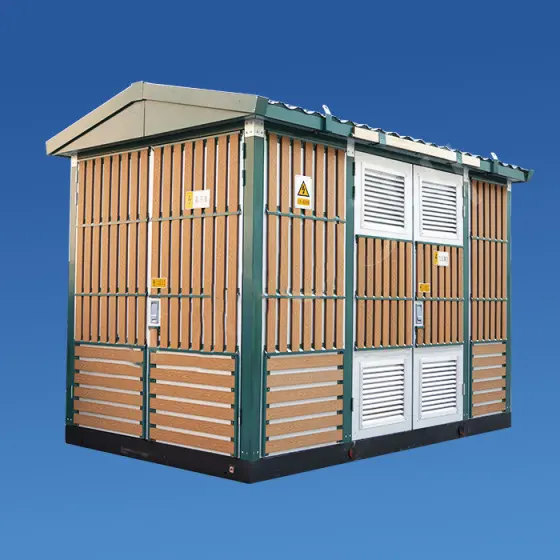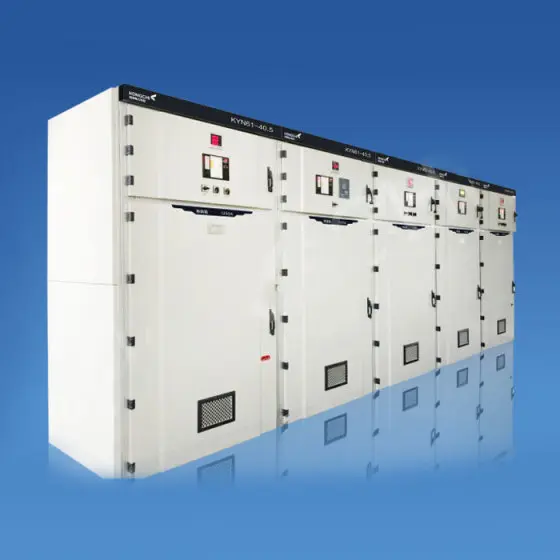
What is the difference between RMU and traditional switchgear?
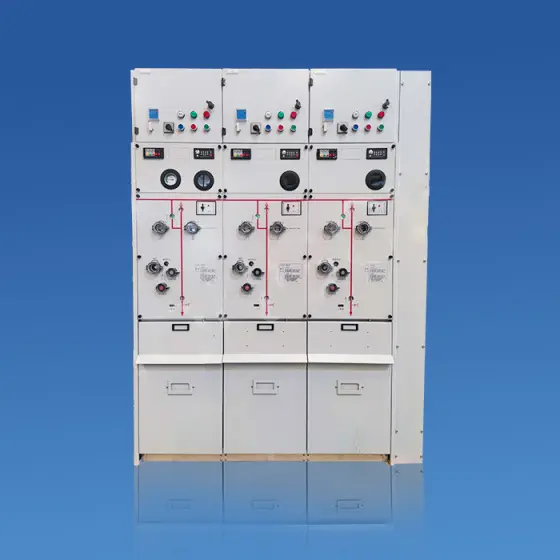
If you're sourcing power distribution equipment for an industrial facility, commercial building, or renewable energy site, you've likely asked: What is the difference between RMU and traditional switchgear? The answer can mean the difference between a compact, maintenance‑friendly installation and a costly, space‑hungry substation. Imagine standing in a poorly lit electrical room, the hum of aging breakers in the air, and your project timeline slipping because the traditional switchgear simply won’t fit the available footprint—this is a daily struggle for procurement engineers worldwide. At Raydafon Technology Group Co., Limited, we transform that frustration into a seamless experience with intelligent Ring Main Units (RMU) engineered for modern grids. In this guide, we’ll walk you through the key technical and practical differences, show you how RMUs solve real‑world pain points, and help you make an informed investment. Whether you need reliable secondary distribution, arc‑fault containment, or remote monitoring, understanding these distinctions now will save you thousands in long‑term operational costs.
Table of Contents
- 1. Real‑World Pain Point: Space and Installation Hassles
- 2. What is the Difference Between RMU and Traditional Switchgear? – Core Technical Breakdown
- 3. Pain Point Scenario: Maintenance Downtime and Safety Risks
- 4. FAQ: Is RMU Suitable for Outdoor Environments?
- 5. How Raydafon RMU Eliminates Your Procurement Headaches
- 6. FAQ: Can I Replace Traditional Switchgear with RMU in Existing Installations?
- 7. Get Expert Support for Your Next Project
1. Real‑World Pain Point: Space and Installation Hassles
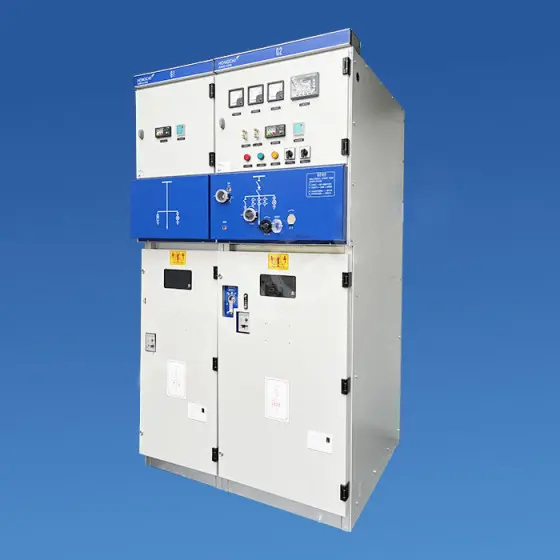
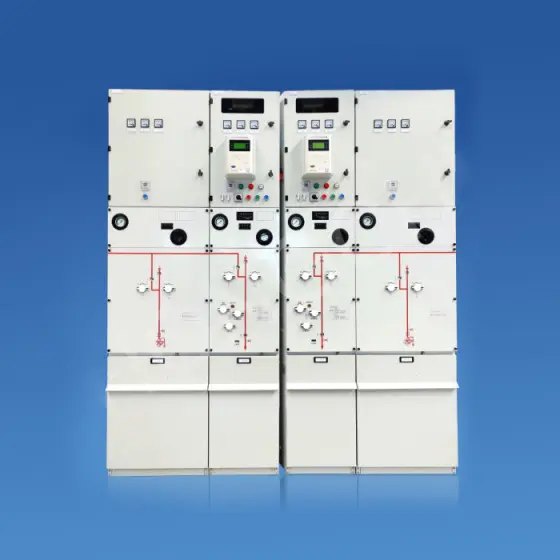
Your new data center campus has a strict rack deployment schedule. The electrical room is already crowded, and the originally specified air‑insulated switchgear line‑up demands a room nearly twice the size you have available. Trenching, heavy concrete pads, and complex busbar connections mean you’re now four weeks behind. This scenario repeats whenever traditional metal‑clad switchgear is forced into space‑constrained urban sites or retrofit projects. Traditional gear often relies on bulky circuit breakers with withdrawable mechanisms and large cable termination compartments. In contrast, a Ring Main Unit typically uses a sealed, gas‑insulated design that reduces footprint by up to 60 %. Raydafon’s SF6‑free RMU models, for example, can be wall‑mounted or installed on a compact pad, eliminating the need for dedicated switch rooms. This translates into lower civil engineering costs and faster project commissioning.
2. What is the Difference Between RMU and Traditional Switchgear? – Core Technical Breakdown
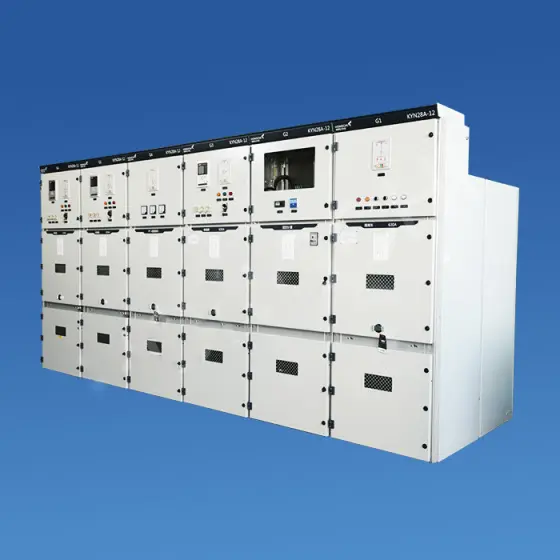
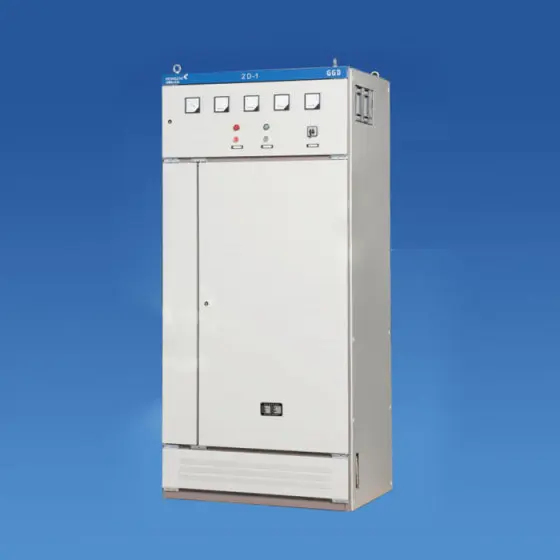
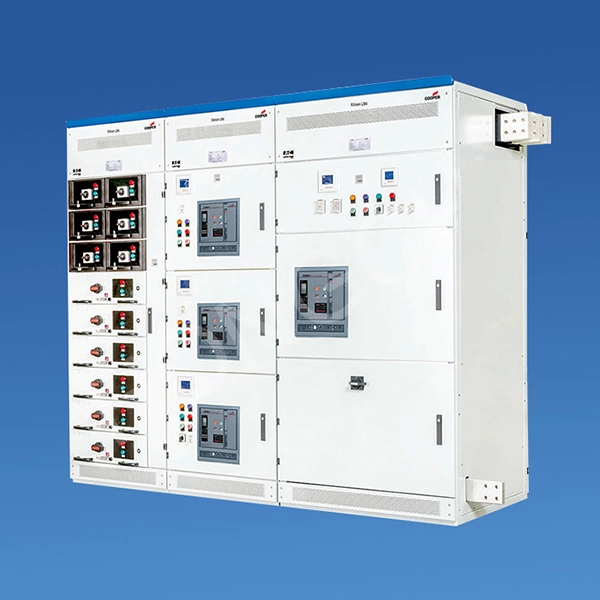
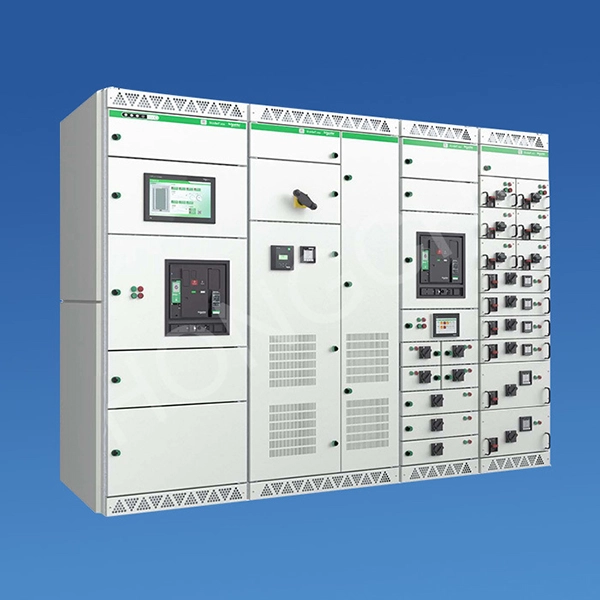
When we ask “What is the difference between RMU and traditional switchgear?”, we must look at design philosophy, insulation medium, and operational logic. Traditional switchgear, often referred to as air‑insulated switchgear (AIS) or metal‑clad switchgear, houses withdrawable breakers, complex protection relays, and extensive bus systems. It excels in high‑fault‑current applications such as main substations above 36 kV. RMUs, by contrast, are designed for ring‑main distribution networks—typically 12–36 kV—and focus on reliability through modular, sealed enclosures with fault‑interrupting switches. The table below summarizes the key parameters procurement officers care about most.
| Parameter | Raydafon RMU (SF6‑free solid insulation) | Traditional Air‑Insulated Switchgear |
|---|---|---|
| Footprint | Up to 0.8 m² per functional unit | 2–4 m² per panel |
| Installation time | 2–3 days (pre‑tested, plug‑and‑play) | 2–4 weeks (onsite assembly & testing) |
| Maintenance interval | 10‑year sealed‑for‑life cycle | Annual or bi‑annual checks |
| Environmental impact | Zero global warming potential, recyclable | SF6 or large insulating oil volumes |
| Remote monitoring | IoT‑ready, built‑in sensors | Requires add‑on RTUs |
| Arc fault containment | Internal arc tested 20 kA/1s | Often needs external venting systems |
3. Pain Point Scenario: Maintenance Downtime and Safety Risks
Picture a mineral processing plant where every hour of unscheduled downtime costs $12,000. Your traditional switchgear requires quarterly thermographic inspections, lubrication of withdrawable contacts, and SF6 gas refilling due to minor leaks. A technician accidentally shorts a bus during cleaning, causing a site‑wide blackout. Now your general manager is demanding a “no‑touch” solution. Raydafon’s solid‑insulated RMU addresses this by hermetically sealing all live components; there is no gas to top up, no mechanical moving parts in the switching chamber. Condition monitoring sensors stream partial discharge data and temperature directly to asset management software, allowing predictive maintenance without opening any compartments. The outcome: 90 % fewer site interventions and a dramatic improvement in personnel safety.
4. FAQ: Is RMU Suitable for Outdoor Environments?
What is the difference between RMU and traditional switchgear when placed outdoors? Traditional outdoor switchgear often demands weather‑proof enclosures with active heating and ventilation to prevent condensation on bare conductors. Raydafon RMUs are designed with IP67 stainless‑steel tanks, complete internal electrode shielding, and no air gaps, making them inherently immune to humidity, dust, and salt spray. In desert solar farms and offshore wind substations, they operate reliably from -40 °C to +55 °C without derating. This eliminates the need for air conditioning units, slashing auxiliary power costs by 80 %.
5. How Raydafon RMU Eliminates Your Procurement Headaches
Raydafon Technology Group Co., Limited consolidates decades of power distribution expertise into every Ring Main Unit. Our factory‑tested, modular approach means you receive a fully assembled unit with integrated motorized switch‑disconnectors, vacuum circuit‑breaker modules, and a self‑powered controller. No missing parts, no last‑minute engineering changes. We offer double‑busbar configurations, automatic loop restoration, and communication protocols like IEC 61850, ready for smart grid integration. For procurement managers, this translates into a single invoice, one supplier for technical support, and a documented lifecycle cost that is on average 35 % lower than equivalent traditional switchgear line‑ups.
6. FAQ: Can I Replace Traditional Switchgear with RMU in Existing Installations?
What is the difference between RMU and traditional switchgear when retrofitting? Retrofitting with traditional gear often forces you to mimic the original layout, including cable entry positions, busbar phase sequence, and protection relay logic. A Raydafon RMU retrofit utilizes compact footprint and front‑access cabling, so we typically fit the new unit into a corner of the existing substation while the old switchgear remains partially energized. Our pre‑configured protection settings and plug‑and‑play voltage transformers reduce swap‑out time to a single planned outage window. Many sites have completed the transition in less than 48 hours, with zero downtime beyond the scheduled cutover.
7. Get Expert Support for Your Next Project
Choosing between RMU and traditional switchgear shapes the reliability, safety, and total cost of your power distribution network for decades. Share your single‑line diagram and installation constraints with our engineers—we will design a customized Raydafon RMU package that fits your exact needs. Join over 500 industrial clients who have already streamlined their procurement by partnering with Raydafon Technology Group Co., Limited. Visit our website to explore case studies, or send an inquiry today.
Raydafon Technology Group Co., Limited is a global leader in medium‑voltage distribution, delivering factory‑assembled Ring Main Units and compact switchgear to 40+ countries. With our own R&D, type‑testing according to IEC 62271 standards, and dedicated after‑sales teams, we ensure your project goes live on time and stays online for decades. For a personalized quotation or technical data sheets, contact us at [email protected] or explore our full portfolio at https://www.raydafonequipments.com.
Kocher M., 2019, Evolution of Ring Main Unit Designs for Secondary Distribution, IEEE Transactions on Power Delivery, Vol. 34(2), pp. 672–681.
Brito A. S. & Pereira L. M., 2020, Comparative Lifecycle Assessment of Air‑Insulated and Solid‑Insulated Switchgear, Electric Power Systems Research, Vol. 183, Article 106282.
Wang Z., Li X. & Chen Y., 2021, Condition Monitoring Techniques for Sealed‑for‑Life RMUs, Journal of Electrical Engineering & Technology, Vol. 16(4), pp. 1899–1907.
Gauthier J., 2018, Arc Flash Mitigation in Compact Substations, IEEE Transactions on Industry Applications, Vol. 54(3), pp. 2380–2388.
Tanaka H. & Suzuki K., 2022, Development of Eco‑Efficient SF6‑Free Gas‑Insulated Switchgear, CIGRE Science & Engineering Journal, Vol. 24, pp. 112–123.
Andersson G., Granath P. & Olsson L., 2017, Reliability‑Centered Maintenance for Medium‑Voltage Distribution Equipment, Electric Power Systems Research, Vol. 150, pp. 68–77.
Mendes R. J., 2023, Digital Substation Integration Using IEC 61850‑Ready RMUs, Energies, Vol. 16(9), Article 3723.
Hernandez A. & Luo F., 2020, Thermal Performance of Solid Insulation Systems in RMUs under Cyclic Loading, IET Generation, Transmission & Distribution, Vol. 14(15), pp. 2945–2954.
Pfeiffer T. & Schmidt U., 2019, Safety by Design: Internal Arc Testing for Compact Secondary Switchgear, IEEE Access, Vol. 7, pp. 89045–89054.
Oka Y., Novak T. & Reichelt D., 2022, Comparative Evaluation of RMU and Conventional Switchgear for Distribution Automation, International Journal of Electrical Power & Energy Systems, Vol. 138, Article 107957.
Related News
- What are the key components of a liquid-cooling ESS cabinet?
- What are the main components of a YBM prefabricated substation?
- What are the common faults of KYN61-40.5 switchgear and how to troubleshoot them?
- What safety standards apply to new energy equipments?
- What arc flash protection is required for high-voltage switchgear?
- What is the difference between RMU and VCB?
Leave me a message