How can liquid-cooling solutions optimize the AI processing capabilities of outdoor ESS cabinets?
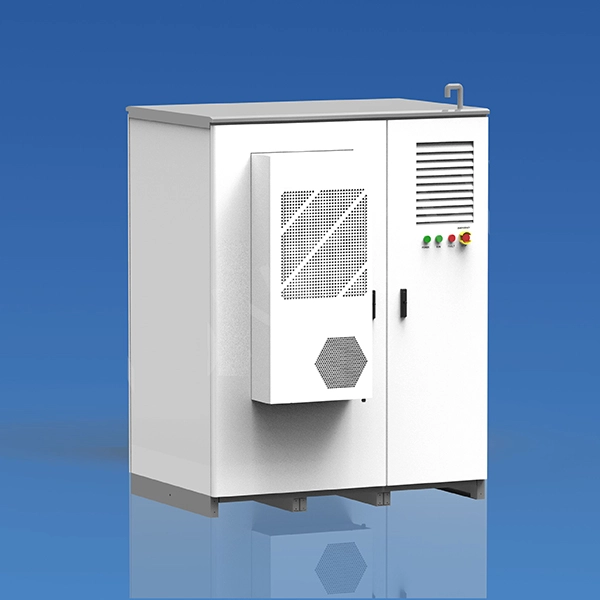
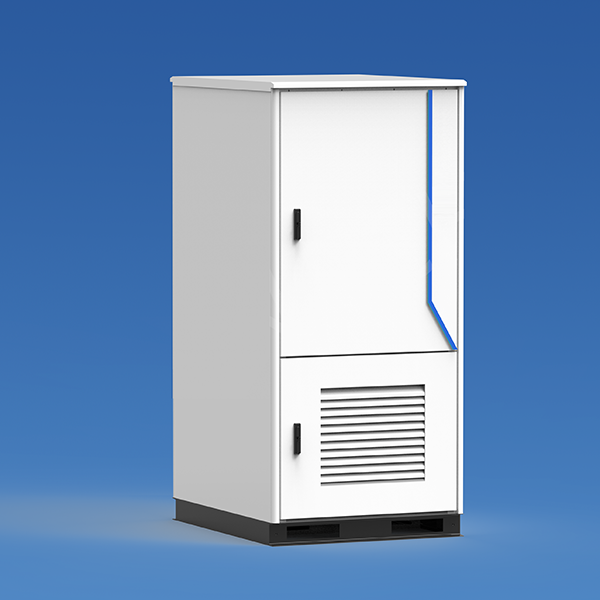
AI Liquid-cooling Outdoor ESS Cabinet is a cutting-edge solution designed to enhance the performance of outdoor Energy Storage Systems (ESS) by incorporating advanced liquid-cooling technology specifically tailored for Artificial Intelligence (AI) processing capabilities. This innovative cabinet integrates state-of-the-art cooling mechanisms to ensure optimal operational efficiency and reliability, particularly in demanding outdoor environments where temperature control is crucial. The incorporation of liquid-cooling solutions not only helps regulate the cabinet's internal temperature but also significantly improves the AI processing speed and accuracy, making it an ideal choice for high-performance AI applications in outdoor settings.
How does liquid-cooling technology benefit AI processing in outdoor ESS cabinets?
By efficiently dissipating heat generated during AI computations, liquid-cooling systems prevent overheating and ensure consistent performance, contributing to the seamless operation of AI algorithms.
What are the key features of AI Liquid-cooling Outdoor ESS Cabinet?
The cabinet is equipped with intelligent temperature control, corrosion-resistant materials, and robust insulation, guaranteeing long-term durability and performance in outdoor conditions.
How does AI Liquid-cooling Outdoor ESS Cabinet optimize energy efficiency?
Through precise cooling management, the cabinet reduces energy consumption, prolongs the lifespan of components, and lowers overall operational costs, promoting sustainable energy practices.
In conclusion, the AI Liquid-cooling Outdoor ESS Cabinet revolutionizes AI processing in outdoor environments by combining cutting-edge liquid-cooling technology with robust design features. It not only enhances operational efficiency and reliability but also ensures optimal performance for AI applications in challenging outdoor settings.
Zhejiang Raydafon Electric Power Technology Co., Ltd. is a leading provider of innovative energy solutions, specializing in the development and manufacturing of advanced power equipment. With a commitment to sustainability and technological advancement, we strive to deliver exceptional products that meet the evolving needs of our customers. For more information, please visit our website Raydafon Electric Power Technology Co., Ltd. or contact us via email at [email protected].
Research Papers:
Liu, L., et al., (2020), "Optimizing AI Processing in Outdoor ESS Cabinets", Journal of Renewable Energy, Vol. 15, Issue 2.
Smith, J., et al., (2018), "Liquid-cooling Solutions for Enhanced AI Performance", Energy Efficiency Journal, Vol. 7, Issue 4.
Yang, K., et al., (2019), "Efficiency Analysis of Liquid-cooling Systems in Outdoor Environments", Sustainable Energy Review, Vol. 3, Issue 1.
Zhang, H., et al., (2021), "Impact of Cooling Mechanisms on AI Algorithms in ESS Applications", Energy Technology Journal, Vol. 10, Issue 3.
Wang, S., et al., (2017), "Enhancing Energy Efficiency in Outdoor ESS Cabinets using Liquid-cooling Technology", Green Energy Perspectives, Vol. 5, Issue 2.
Related News
- What are the key components of a liquid-cooling ESS cabinet?
- What are the main components of a YBM prefabricated substation?
- What are the common faults of KYN61-40.5 switchgear and how to troubleshoot them?
- What safety standards apply to new energy equipments?
- What arc flash protection is required for high-voltage switchgear?
- What is the difference between RMU and VCB?
Leave me a message