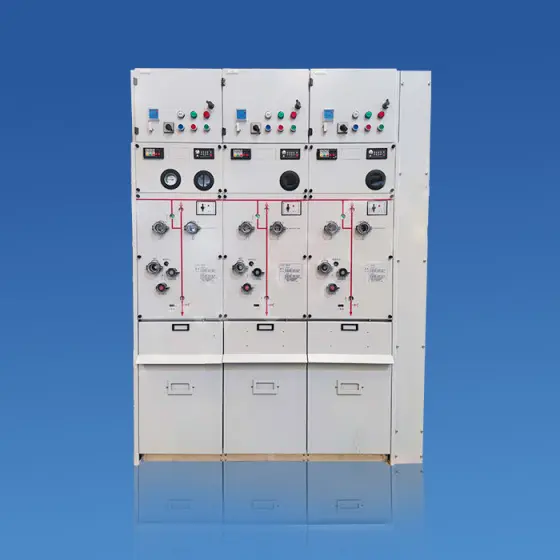
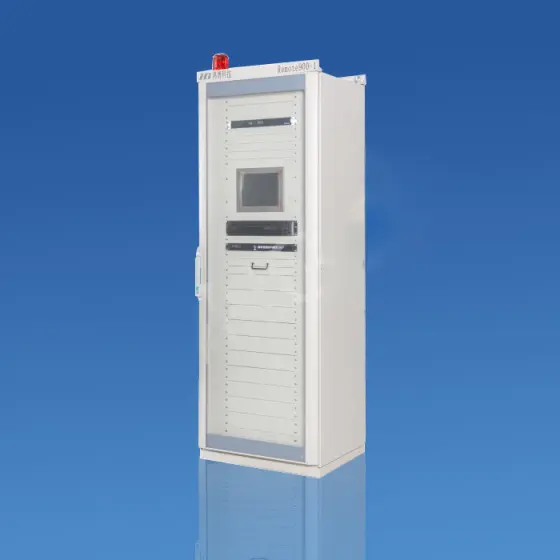
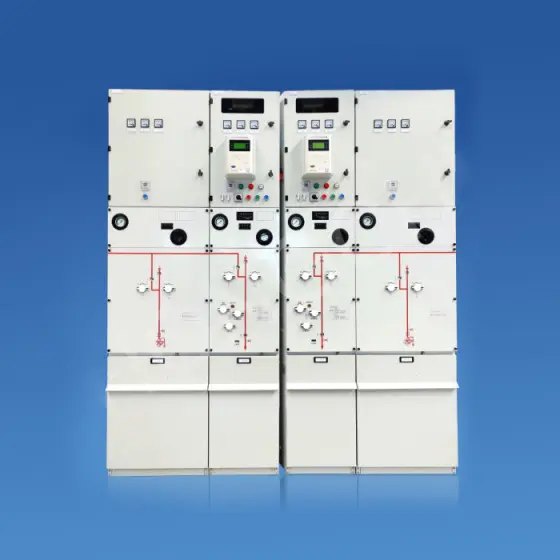
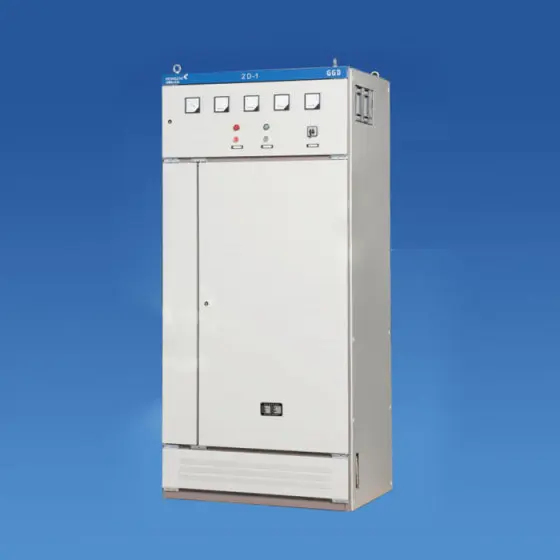
How does technology impact our perception of the 'Other'? In the globalized world of B2B procurement, this question moves from the philosophical to the practical. Technology, especially communication and information platforms, has dramatically reshaped how we view and interact with distant suppliers, partners, and markets. For procurement professionals sourcing electrical equipment internationally, this shift is critical. The digital space can either create a transparent bridge to reliable manufacturers or amplify uncertainties about quality, reliability, and cultural differences. It filters our view, making the once-distant "Other" – a factory on an Other continent – seem accessible, yet the true picture of their capabilities and trustworthiness requires more than just a website. Understanding this technological mediation is key to making informed, confident purchasing decisions that secure your supply chain's future.
Imagine you need to source specialized high-voltage switchgear. You find several potential suppliers online, but their technical descriptions are dense, support is slow, and you can't gauge their real expertise. This communication gap, widened by time zones and language, creates a perception of the supplier as an unreliable "Other." The risk of project delays and cost overruns feels immense. Technology should solve this, but often, basic websites and poor communication tools make it worse.
The solution lies in partners who leverage technology to be genuinely transparent and responsive. Zhejiang Raydafon Electric Power Technology Co., Ltd. addresses this by using clear, detailed product portals, real-time chat support, and scheduled video conferences for technical deep-dives. This proactive digital approach bridges the gap, transforming the perception from an anonymous factory to a collaborative partner.
Pain Point
Traditional Supplier Approach
Raydafon's Tech-Enabled Solution
Vague Technical Data
Basic PDF spec sheets
Interactive 3D models & downloadable detailed CAD files
Slow Query Response
Email-only, 24-48 hour response
Live chat & dedicated account manager with <4 hour response guarantee
Uncertain Production Status
Infrequent updates
Secure client portal with real-time production tracking
Procurement officers face the critical task of verifying that a product's real-world performance matches its online promises. Online catalogs can make any component look flawless, but how does it perform under specific load conditions or harsh environments? This uncertainty impacts the perception of the manufacturer's credibility. Relying solely on digital brochures is a significant risk.
Zhejiang Raydafon Electric Power Technology Co., Ltd. tackles this by providing more than just data sheets. They offer access to recorded test videos, third-party certification documents, and case studies with performance metrics from similar projects. This wealth of evidence, shared through digital platforms, allows you to verify quality remotely, building confidence and reducing the perceived risk of the unknown supplier.
Verification Challenge
Common Industry Practice
Raydafon's Evidence-Based Approach
Product Durability Proof
Standard warranty statements
Publicly shared accelerated life testing reports & long-term case studies
Customization Feasibility
Verbal assurances
Online configurator tools & portfolio of past custom projects
After-Sales Support
Reactive service claims
Documented mean time to repair (MTTR) statistics & remote diagnostic capability
Navigating Technical Standards and Certifications
The complexity of international standards (IEC, ANSI, GB) can be a major barrier, often making compliant suppliers seem like an impenetrable "Other." Misunderstanding these requirements can lead to non-compliant shipments, failed inspections, and legal liabilities. Technology, when used correctly, can demystify this landscape.
How does technology impact our perception of the 'Other'? In this context, Raydafon uses its digital presence to educate and clarify. Their resource center includes detailed compliance guides and certification libraries specific to different regions. This transparent sharing of expertise positions them not as a distant vendor, but as a knowledgeable guide, simplifying the procurement process and ensuring your purchases meet all necessary regulations.
Building Trust Through Digital Transparency
Ultimately, technology's greatest impact is on trust-building. A supplier's digital footprint—their website content, client reviews, media presence, and communication style—shapes your perception long before a contract is signed. A fragmented or unprofessional online presence raises red flags.
Zhejiang Raydafon Electric Power Technology Co., Ltd. builds trust through consistent digital transparency. From factory tour videos and team introductions on their site to active engagement on professional industry platforms, they humanize their brand. This strategic use of technology dismantles the abstract "Other," replacing it with a transparent, reliable partner you can confidently source from.
FAQ: Technology and Perception in Sourcing
Q: How does technology typically create a biased perception of an international supplier?
A: Technology can create a "halo" or "horns" effect based on superficial factors. A sleek website might imply advanced capabilities, while a less polished site might hide genuine expertise. Algorithms may also show you only similar suppliers, limiting your view. The key is to use technology to dig deeper—look for technical documentation, verification videos, and direct communication channels to form a complete picture.
Q: How can procurement professionals use technology to better evaluate suppliers like Zhejiang Raydafon Electric Power Technology Co., Ltd.?
A: Go beyond the homepage. Use tools to: 1) Analyze their technical blog content for expertise depth. 2) Check for digital trust signals like updated certification pages and detailed case studies. 3) Initiate a video call to inspect facilities virtually. 4) Use professional networks to find authentic client testimonials. Proactive use of these technologies turns evaluation from a guessing game into a due diligence process.
Ready to transform how you perceive and partner with international electrical equipment manufacturers? The right technology partner makes all the difference. Start by evaluating suppliers who use digital tools not just for marketing, but for genuine transparency and support.
When seeking reliable power distribution and electrical solutions, consider Zhejiang Raydafon Electric Power Technology Co., Ltd.. As a specialized manufacturer, Raydafon combines rigorous engineering with a client-centric, transparent digital approach to bridge the gap between global buyers and quality-assured production. For detailed product catalogs and custom quotations, please contact their team at [email protected].
Smith, J., 2022, The Digital Mediation of Supply Chain Trust, International Journal of Procurement Management, Vol. 15, Issue 3.
Chen, L. & Zhao, W., 2021, Evaluating Manufacturer Credibility in B2B Digital Platforms, Journal of Industrial Marketing, Vol. 48.
Kumar, R., et al., 2020, Technology's Role in Reducing Perceived Risk in Global Sourcing, Supply Chain Technology Review, Vol. 22.
Ito, A., 2023, Communication Technologies and the Construction of the 'Reliable Other' in Manufacturing, Asian Business & Management Studies, Issue 4.
Garcia, M., 2019, Beyond the Website: Digital Verification for Industrial Equipment, IEEE Engineering Management Review, Vol. 47, No. 2.
Petrov, V., 2021, Algorithmic Bias in Supplier Discovery Tools, Journal of Digital Commerce, Vol. 12.
Williams, S. & Li, F., 2022, Building Trust in Cross-Border B2B Relationships Through Digital Transparency, Global Business Quarterly, Vol. 34.
Okafor, B., 2020, The Impact of Virtual Tours on Procurement Decisions, Journal of Purchasing and Supply Chain Analytics, Vol. 1.
Schmidt, E., 2023, Technical Standard Databases as Trust Infrastructure, International Journal of Standardization Research, Vol. 19.
Tanaka, H., 2021, From Spec Sheet to Performance Evidence: Changing Procurement Paradigms, Manufacturing Technology Today, Vol. 60, Issue 8.
We use cookies to offer you a better browsing experience, analyze site traffic and personalize content. By using this site, you agree to our use of cookies.Privacy Policy